
If there were a list of concepts that are used more by persons with a public discourse in Cyprus, "conflict of interest" would certainly have a place in it. In recent weeks, the term has had its place of honor again, on the occasion of the investigations into the "Mafia State" and "Videogate".
The confrontation of positions highlighted for the umpteenth time two parameters. On the one hand, it is evident from the public debate that it is not clear to everyone what constitutes a conflict of interest or a special relationship and what is not. On the other hand, the belief that the existing regulations are not sufficient for the person in power or the politician in question to feel the need or the obligation to disclose any links that could lead to a conflict of interest or lack of impartiality has been strengthened.
"F tis Kyriakis" reopens this chapter today, in an attempt to stir up a debate that has been going on for a long time and which the Parliament may not have dared to approach decisively until today. In this context, he restores the findings of a report that was drafted in 2015, then as a university professor, by the current Minister of Foreign Affairs Konstantinos Kombos, together with Professor Aristotelis Konstantinidis. The report was prepared on behalf of Parliament and proposes new legislation on conflict of interest. It was then discussed in the Committee on Institutions, but the issue remained until then.
Their views on issues of conflict of interest and mentality in Cyprus are submitted by MPs Nikos Georgiou of DISY and Andreas Pasiourtidis of AKEL.
"Mafia State" and Videogate
The latest events that caused reactions in relation to issues of conflict of interest were the appointments of Christos Mylonopoulos, Ilias Anagnostopoulos and Andreas Paschalidis. The first two were appointed by the Council of Ministers as criminal investigators to investigate the "Mafia State" case (Mylonopoulos resigned in the shadow of the reactions and was replaced by Anagnostopoulos). The third was reappointed by the Council of Ministers to the presidency of the Independent Authority for the Investigation of Allegations and Complaints against the Police (AADIPA) for a third five-year term.
In the case of the "Mafia State", the two appointments were preceded by the self-exclusion of the Attorney General and Assistant from handling the case, due to their relationship with the former President of the Republic, who is being investigated for abuse of power and trade in influence. This was followed by the appointment of Christos Mylonopoulos to the team of investigators, for whom there were reactions in relation to the fact that he was the lawyer of Michalis Zolotas in the Focus case. Mr. Mylonopoulos succumbed to the pressure and resigned. In the meantime, the Government did not accept any conflict of interest, clarifying that it left for reasons of institutional sensitivity and to safeguard public trust. Subsequently, the Ministry appointed in his place Ilias Anagnostopoulos, lawyer of Tal Dilian who is on trial in Greece for the surveillance scandal. In this case too, serious objections were raised, but the executive insisted on its decision.
Before the fire of the "State Mafia" could be extinguished, another one was lit by the appointment of Andreas Paschalidis to the presidency of AADIPA. The opposition raised the issue again, due to the duties of Mr. Paschalidis in the Videogate investigation. He was appointed a few months ago by the Attorney General as an independent criminal investigator, in order to contribute to the work of the Police. His appointment was interpreted as a move that creates shadows, since a person receives an appointment from the person who is called upon in another case to check whether he acted within the framework of the law. Paschalidis' report on Videogate is expected to be delivered within the next few days.
Absence of legislation and definition
In Cyprus, there is no legislation that regulates overall conflict of interest issues. This also implies the absence of a recorded precise definition, so that the interpretation is not left to the subjective opinion of each one.
The most recognized and frequently cited definition at international level comes from the Organization for Economic Co-operation and Development.
"A conflict of interest is a conflict between the public duty and the private interests of a public official, when the official has private interests that could unfairly affect the performance of his official duties and responsibilities." Conflict is divided into three main categories.
Real: Direct conflict between official duties and private interests.
Potential: Private interests that could conflict with professional duties in the future.
Apparent: The situation where it seems logical to third parties that a person's private interests could influence their judgment.
The Kombou-Konstantinidis report on the Parliament in 2015
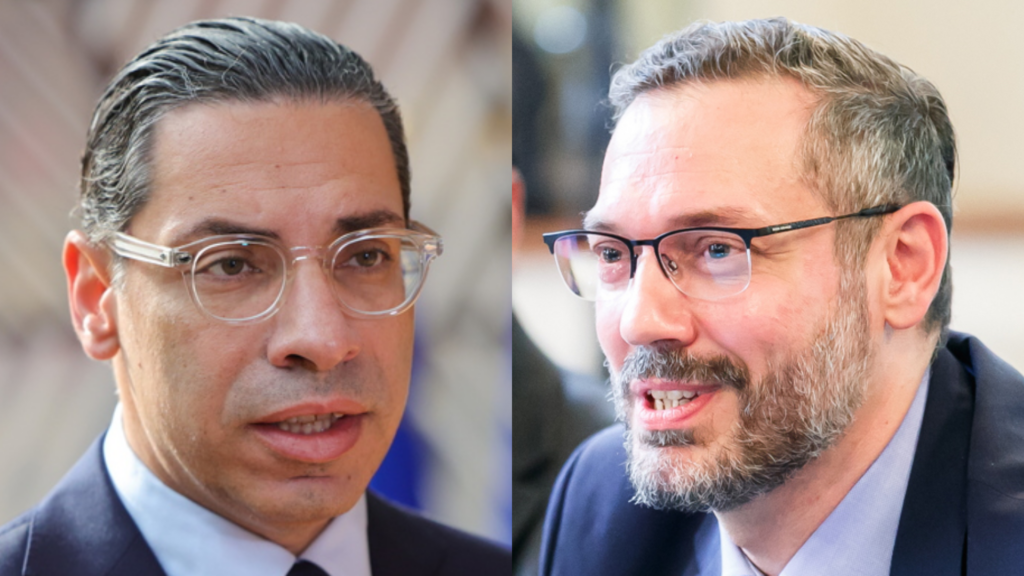
In a drawer or electronic folder of the Parliament, there should be the recommendations of a report, which was prepared for the body by the current Minister of Foreign Affairs, Konstantinos Kombos, together with his then colleague at the University of Cyprus, Aristotelis Constantinides. The two professors, in 2015, proposed the adoption of a new legislation, which will define the conflict of interest for public officials, whether they are elected or appointed, but also for civil servants in general. The report, in essence, provides for the strengthening of the voluntary declaration of conflicts of interest in combination with immediate disclosure.
According to reports at the time, public officials will be categorized and obliged to publicize cases of conflict of interest in advance. Depending on the accusation, any consequences will occur.
The first category includes the President of the Republic, the Attorney General and the Assistant Attorney General, the Auditor General and the Assistant Auditor General, the Governor of the Central Bank and the Assistant Governor of the Central Bank, the members of the Public Service Commission and the members of the Council of Ministers. They must make a public mandatory declaration from the beginning, which must be taken into account by the appointing body before the appointment. In case a person does not wish to submit such a declaration, this should also be taken into account by the appointing body.
The second category includes the Parliament and its members. Kombos and Konstantinidis, had proposed a code of ethics, submitting a draft. As the latter stated to "F", this is their only proposal that was adopted, since the current Code includes elements of the report.
The third category includes all other appointed officials, Commissioners, Mayors, Members of Municipal Councils, etc. In it, a mandatory declaration will be made and submitted to the Auditor General.
The fourth category includes all other civil servants.
In case an inaccurate statement is made, they recommend the establishment of a three-member committee that will impose sanctions.
Aristotelis Konstantinidis: The Parliament can use it
Speaking to "F", the Associate Professor of International Law and Human Rights Law at the University of Cyprus, Aristotelis Constantinides, said that the exhibition is there and could be used even today. He explained that their proposal in 2015 concerned all state officials, except those of the judiciary, which has its own regulations.
Asked if he could also cover appointees to independent committees, Mr. Konstantinidis said that he could cover anything the Parliament would like to cover. The original idea was for state officials, but it could also be implemented in general, he added.
The Professor expressed the position that since there is a definition of conflict of interest in law and in writing, this could also affect non-state officials, such as those appointed to independent committees. According to him, the enactment of a separate legislation might have contributed to the creation of a culture in Cyprus, which would indirectly impose the rule.
Nikos Georgiou: Self-exclusion is an act of responsibility
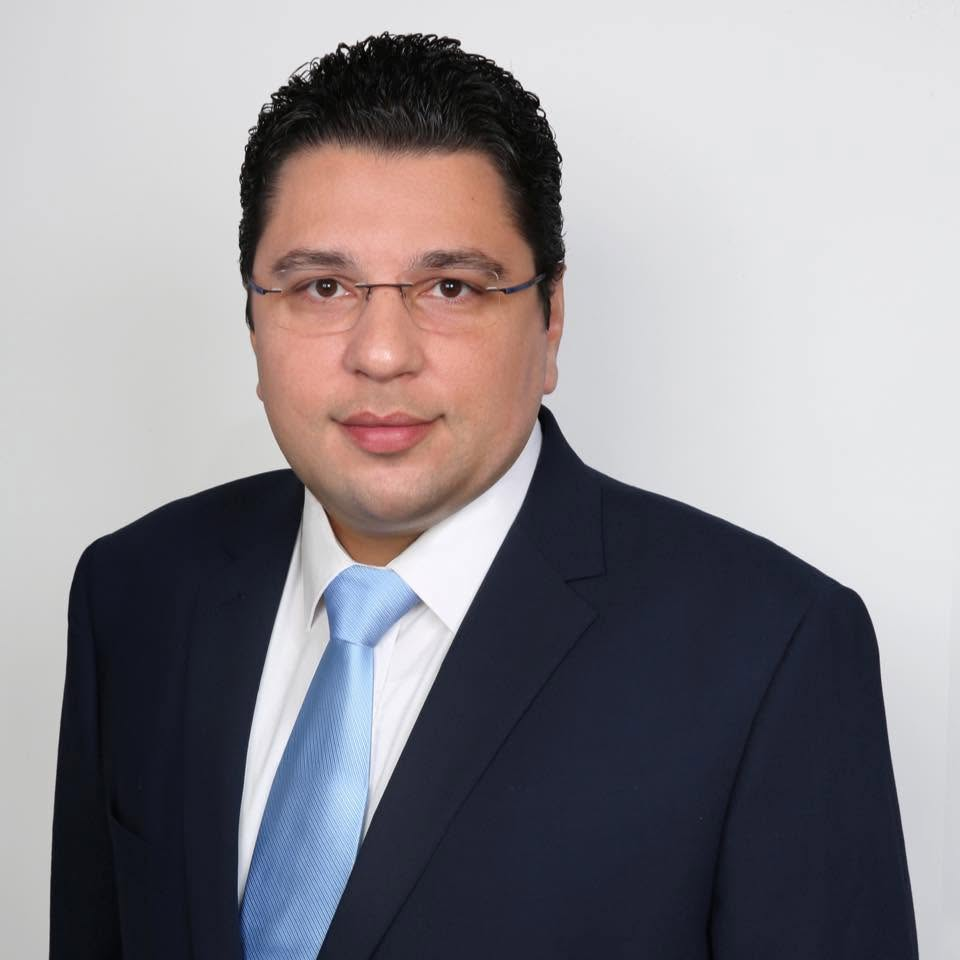
"Conflict of interest is one of the most serious challenges to the functioning of a modern rule of law. It arises when the personal, family, professional, economic or political interests of a person exercising any power may affect, or create the reasonable impression that they do, the objective exercise of his duties.
It is not required to prove genuine favour or unlawful conduct. It is sufficient that there are circumstances which may give rise to reasonable doubts as to the impartiality and integrity of the procedure. At this point, the well-known saying fits perfectly: "It is not enough for Caesar's wife to be honest, she must also appear honest". Similarly, representatives of Institutions, state officials, state officials, Judges, it is not enough for them to act with real honesty and impartiality, they must also shake off any reasonable trace of suspicion about their integrity. For this reason, self-exclusion should not be understood as an admission of guilt or inability but as an act of responsibility.
Where a person with decision-making power finds that he or she is directly or indirectly connected with the subject matter of a decision, he or she must notify the conflict and refrain from the relevant proceedings. In this way, not only his personal prestige is protected, but mainly the credibility of the institution he represents. Abstention works preventively even before there is a suspicion of favoritism, bias or abuse of power. At the political level, abstention from decisions involving personal or related interests enhances transparency, accountability and trust of citizens. At the judicial level, opt-out ensures that justice is administered by bodies independently and impartially and that there is no suspicion of bias or private influence either. Impartiality must be real, but also obvious to every bona fide and objective observer. The protection of the integrity of the institutions therefore requires not only the absence of a real conflict, but also the removal of any trace of reasonable suspicion.
The representatives of the institutions must act in a way that consolidates the certainty that their decisions serve exclusively the public interest. Timely declaration of interests, transparency and self-exclusion are key guarantees of institutional integrity as well as the trust of society itself."
Andreas Pasiourtidis: Conflict of interest is an eminently political concept
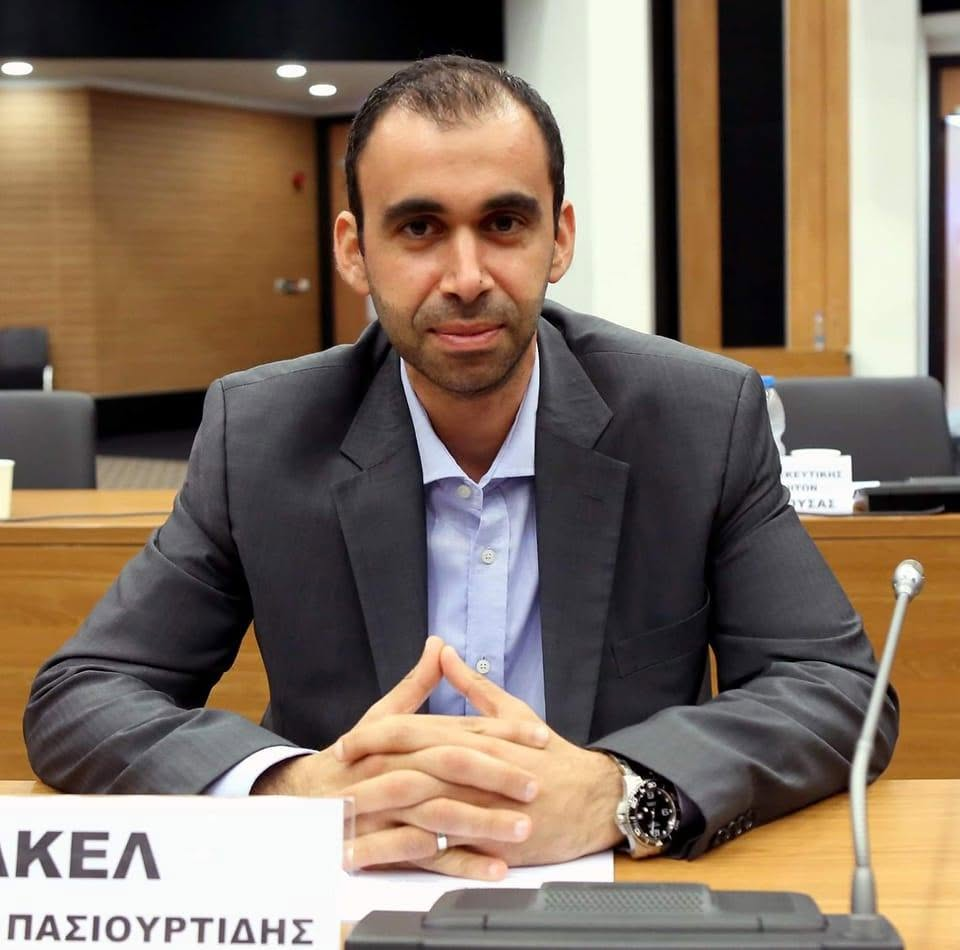
"The previous government has completely flattened the concept of conflict of interest. This is a given and we have experienced it in many examples. What is obvious is that the current government continues in the same pattern, that is, it does not understand the concept of conflict of interest. If for the common people you have to explain this and be more receptive to ignorance, for a government it is forbidden with a club.
For example, if you look at what the line of defense is, every time an issue of conflict of interest arises, it is whether it is something legal or not. Conflict of interest is not always about legality. It has to do with the fact that one decision is likely to create side effects in another case because there are intertwined interests in the same person, or in his wider environment, either family or friendly.
For example:
– Passport approvals that come from your daughters' office, you may be legally covered and allowed, but politically it should not be done. It is a basic rule of good administration that you cannot decide something that will benefit you or your family.
– The appointment of Paschalidis for a third term a week before the conclusion on Videogate, shows that the one who is controlled essentially rewards the one who controls him with an appointment. This may not be legally flawed, but politically it cannot be acceptable. It casts doubt on the research itself and on the selection criteria.
In summary, a conflict of interest means that anyone in power knows that if and when they are called upon to decide on something that will either affect or create the impression that it is done with the intention of influencing, they should avoid it. Conflict of interest is an eminently political concept and it is up to the person in power or each politician how to manage the case, when it arises. That's why a politician will be judged."
