
In mid-2026 and with discussions about the difficulty of achieving the EU's climate goals flaring up, small Cypriot tourism businesses are fighting their own unequal struggle to adapt to a new climate-neutral economy.
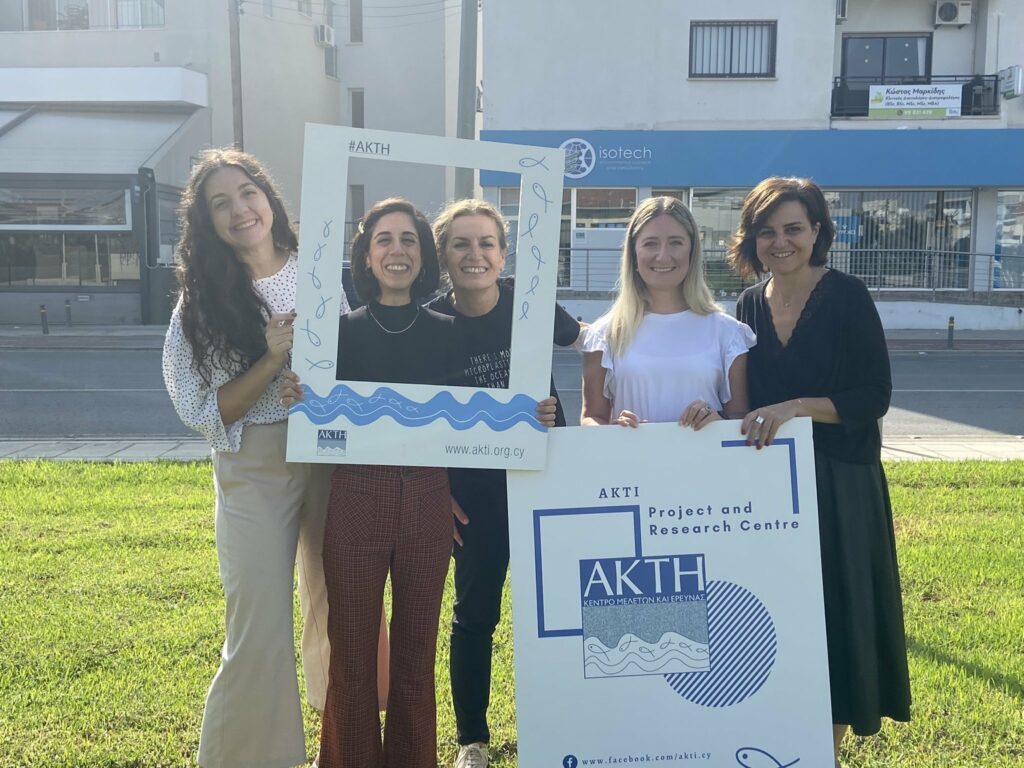
Twenty small Cypriot businesses in the hospitality and coffee sector shared the main shortcomings they face for their green transition, as well as the possible solutions, through a participatory process coordinated by the "Akti" Research and Research Center.
Referring to the results of the process, the body's communication manager, Elisavet Felekidou, told "F" that businesses consider local Cypriot products to be untapped. As a great example, they point to Cypriot avocados, which are not sufficiently promoted in the local market as a valuable super-food, while the lack of education about their value leads to consumer ignorance of the public, which often chooses imported products. The companies propose the official recognition of local products by the Ministry of Agriculture and their promotion by the Deputy Ministry of Tourism, as well as the strengthening of children's consumer consciousness through the inclusion of products in school canteens.
Bureaucracy in the certification of organic products is recorded as another serious obstacle to the sustainable operation of Cypriot businesses, according to the representative of the Center for Studies. The simplification and modernization of procedures, as well as on-the-spot checks, are proposed as solutions that would relieve businesses from this eternal problem, which reduces their productivity and discourages investment in new innovative ideas.
Businesses in rural Cyprus cite the absence of recycling bins as a paradoxical obstacle to the sustainable management of their waste, while raising questions about where recyclables end up. As a solution, they propose putting pressure on local authorities to place recycling bins in strategic locations and a unified approach to sustainable waste management throughout the island, Ms. Felekidou also says.
Businesses end up with the absence of government guidance on sustainability issues as perhaps the most critical problem that threatens the resilience of the tourism industry. The lack of systematic government support forces entrepreneurs to look for solutions on their own to integrate sustainable practices into their operations. That's where initiatives like the Zero Waste HoReCa Network come in to provide the solution.
The Zero Waste HoReCa Network is the first network that has been created in Cyprus with the scientific support of the "Akti" Research and Research Center, with the aim of promoting green development in the tourism industry of Cyprus, he emphasizes. To date, the network has 350 members who implement sustainable good practices in their operation, have integrated know-how and technology in the areas related to their waste management, energy and water use, the promotion of sustainable practices in their supply chain and cooperation with the Local Government.
In its few years of operation, the Zero Waste HoReCa Network recorded savings of over 50 million liters of water and over 1,500 tons of carbon dioxide equivalent, over 900 tons of food waste and over 800 tons of recyclables were redirected from ending up in landfills, as well as over 650 sustainable practices implemented by the members of the Network, emphasizes Elisavet Felekidou.
This is proof that despite the critical environmental and economic challenges, the sustainable operation of the Cypriot tourism industry is feasible and necessary, he concludes.
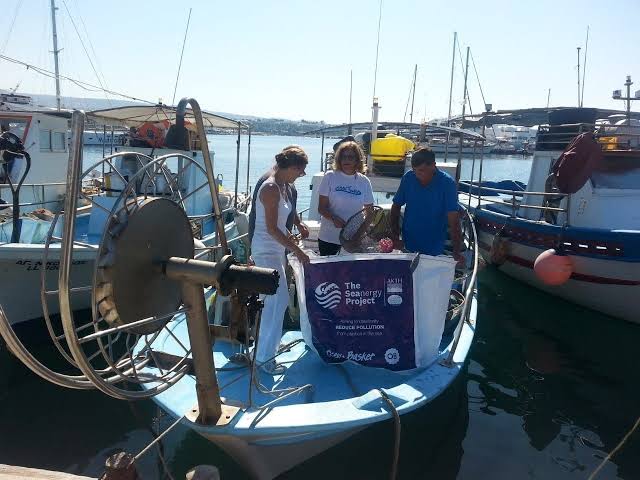
Related to the wider environmental issue is a second survey by the "Akti" Research Center, which was also carried out recently. Driven by climate change, more than 3,500 citizens were activated in Cyprus, Malta and Crete, and of these, 381 citizens participated in targeted quantitative and qualitative research through local events and workshops.
Based on these measurable data, the Center for Studies points out that young people today know more about the climate crisis than any previous generation. They grew up with heatwaves, floods, live rebroadcasts of wildfires and a permanent sense that the future is less secure than they were promised. And while the problem is becoming more pressing than ever, young people continue to abstain en masse from democratic dialogue, the organization points out.
By analyzing the reasons for the non-participation of young people in the democratic dialogue on the climate crisis, Akti's research leads to the broader conclusion that abstention, especially of young people, is the result of systemic and structural barriers.
67% of participants also consider the lack of appropriate infrastructure to be a strong barrier to active participation and the green transition. Climate policy remains an abstract concept, disconnected from everyday life, which breeds cynicism and futility. Rewarding recycling that does not exist, public transport that does not serve, the absence of easy access to green points and the high cost of "green" options, are driving young people away from the path to the green transition, argues "Akti".
