
For most residents of Cyprus, Berengaria has been identified for years with a short trip to Prodromos and a walk through the ruins of a hotel that was once a symbol of luxury.
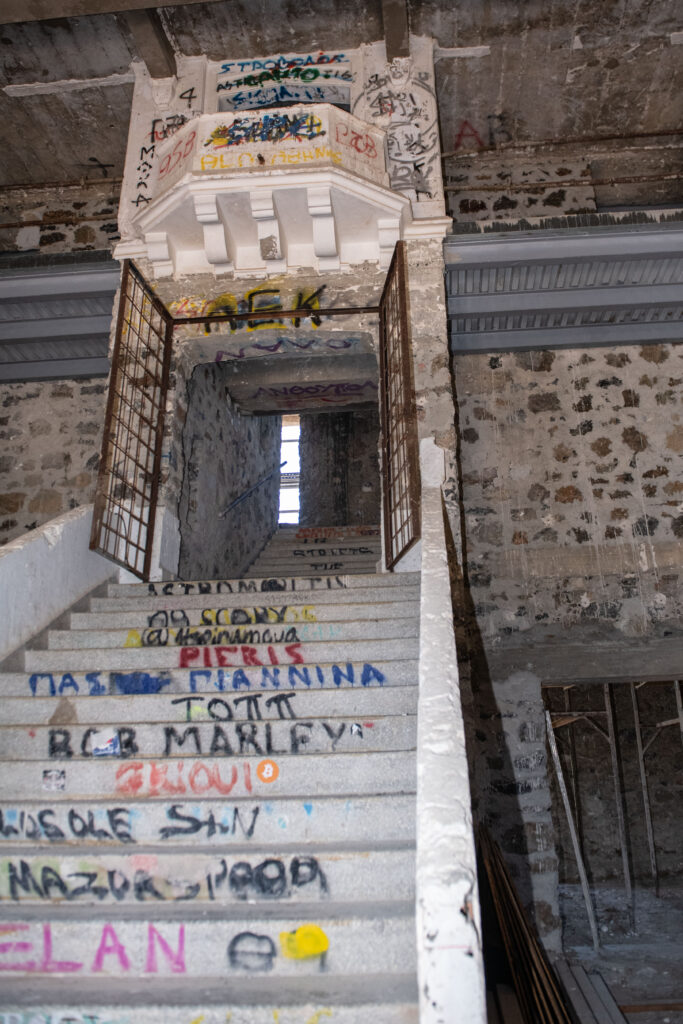
Anyone who hears his name hardly thinks of his glorious history first, since the thought almost automatically goes to the abandoned space, the empty pool and the walls, interior and exterior, covered with graffiti, leaving behind an image far removed from the glamor of the past.
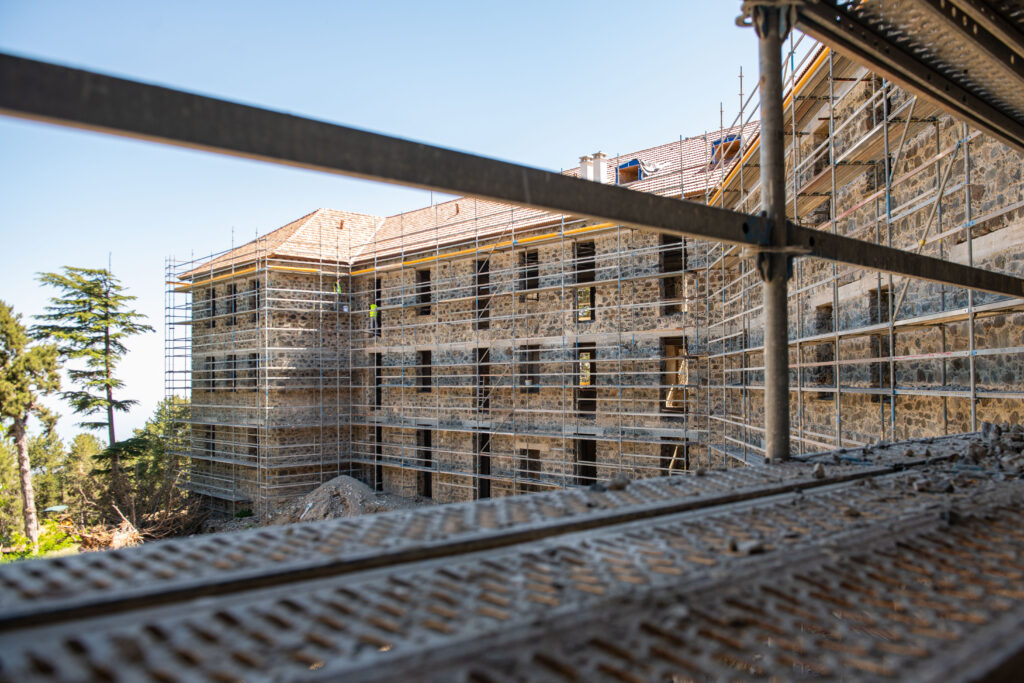
Today, after almost half a century of abandonment, Berengaria and Prodromos seem to be entering a new phase. The area hopes to regain something from its former glory, that is, from the time when personalities from Cyprus and abroad went up to Troodos and chose the historic hotel for their stay, offering social and economic benefits not only to the local community, but also to the wider area.
In addition to €35 million. For the rebirth of the legend
The legendary hotel was left for decades to the ravages of time. Naturally, its regeneration is not a simple, nor a low-cost process, since the investment of bbf:, which undertook the project, exceeds €35 million.
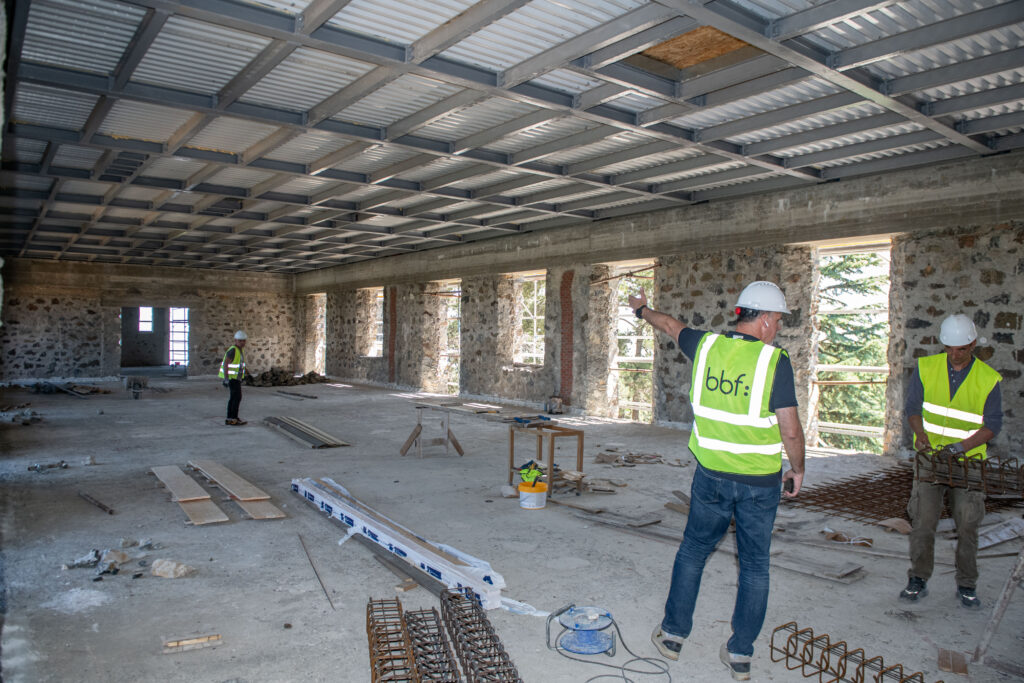
Of course, the amount of the investment is not accidental. It could possibly have been lower if an easier solution had been chosen, such as demolishing the hotel and rebuilding it. However, the company chose a more demanding and expensive route, as it proceeds with the restoration of the historic building and the careful restoration of its premises.
There is no restoration with makeshift solutions
The regeneration of Berengaria, like any substantial effort to save a historic site, cannot be done with makeshift solutions, since it requires study, respect for the architectural identity of the hotel and careful reconstruction, so that the new chapter of the legendary hotel is based not on its replacement, but on its own history.
This is exactly what the architects of the project, Maria Akkelidou and Marios Economides (Marios Economides + Maria Akkelidou Architects LLC), describe as a historic and listed building with a special place in the cultural landscape of Cyprus. As they explain to Forbes Cyprus, Berengaria is perhaps the largest listed building in Cyprus that was originally designed as a hotel, which makes preservation not an option, but a necessity for the culture of the wider region and the whole of Cyprus.
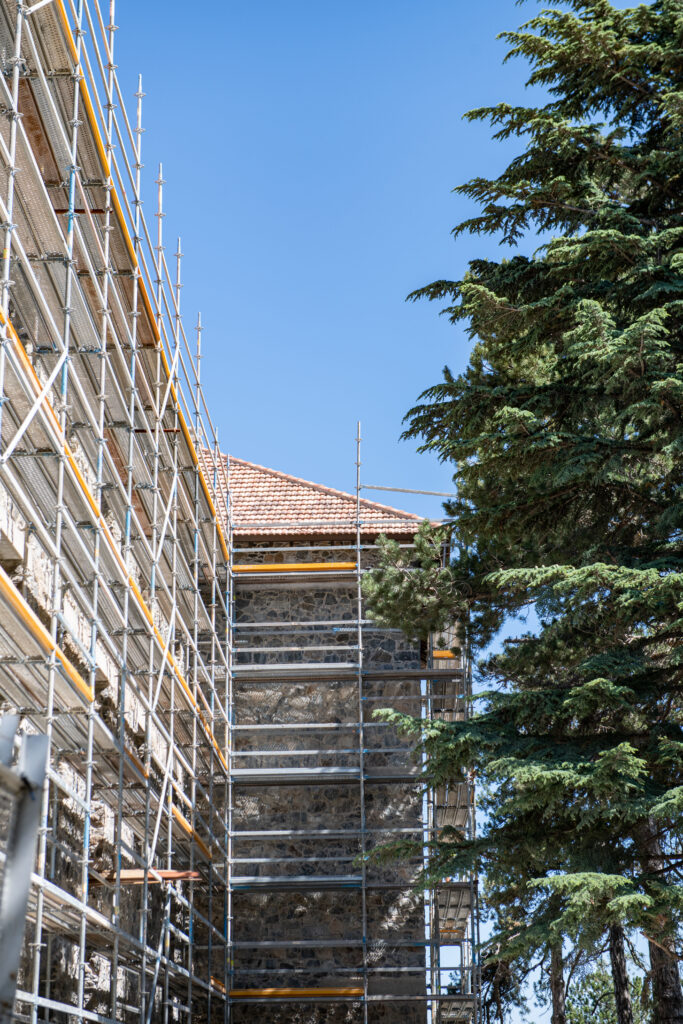
They emphasize that the architectural approach was based on highlighting the typological identity of the building, on the faithful restoration of its damaged or precarious parts and on the maintenance of the existing structural structure, always based on the principles of restoration and restoration.
According to the architects, the biggest challenge was not only the rescue of the shell, which presented serious problems of corrosion, weathering and collapse in individual parts, but also the integration of the modern infrastructure required for the reopening of a hotel today. Air conditioning, heating, fresh air supply, electrical installations and new technical requirements had to be integrated into a historic building without altering the character .
As they note, this process is a demanding balance between the old and the modern. It is not a simple technical intervention, but a "dialectical coexistence" of the existing building with the imprint left on it by today's era.
The architects of the restoration, Maria Akkelidou and Marios Economides speak to Forbes
"We are not just restoring a building, but a piece of memory"
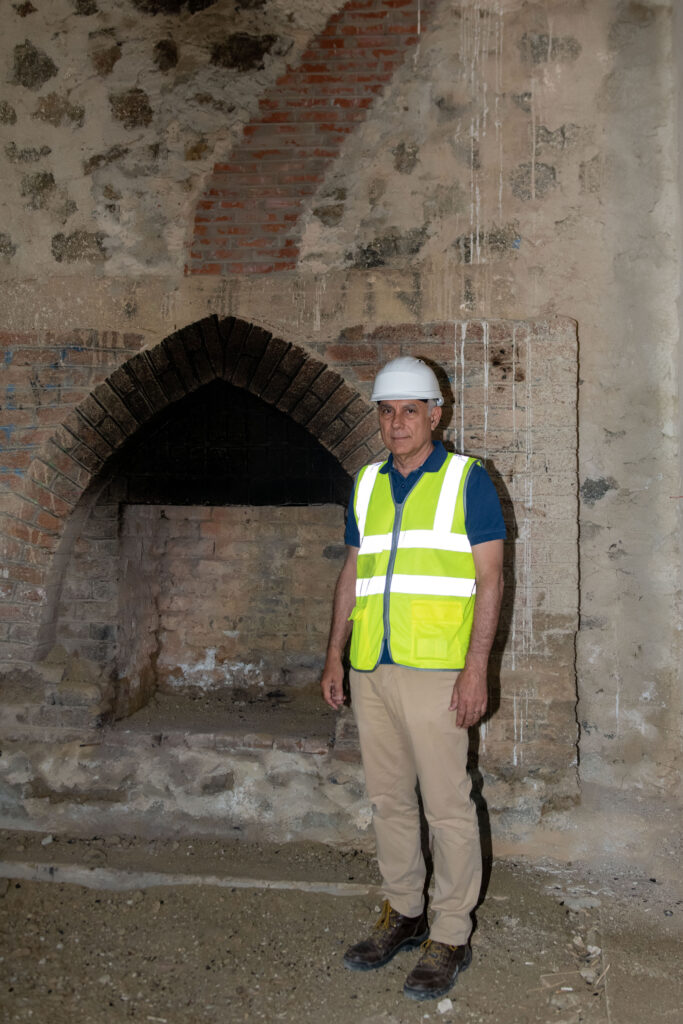 Marios Economides / One of the architects of the project
-What was the architectural approach you followed for the restoration of such an emblematic and historic building as the Berengaria?
First of all, it is worth saying a few words about Hotel Berengaria.
It is a historic and listed building, perhaps the largest listed building in Cyprus that was originally designed as a hotel. Its presence in the cultural landscape of Cyprus is particularly significant, as it holds both historical and architectural value. Therefore, its preservation is imperative, since it is an integral part of the large mosaic that we call the cultural heritage of our country.
What does historical value mean? It means that this building captures an important part of our past. It was built at the beginning of the 20th century and experienced its heyday during the decades between 1930s and 1980s, remaining alive in the collective memory, even as a myth or legend.
At the same time, it captures the first steps of the provision of tourism and wellness services in Cyprus, as it was the pre-eminent mountain resort of the island's bourgeoisie, with fame and glamour that went beyond the borders of Cyprus.
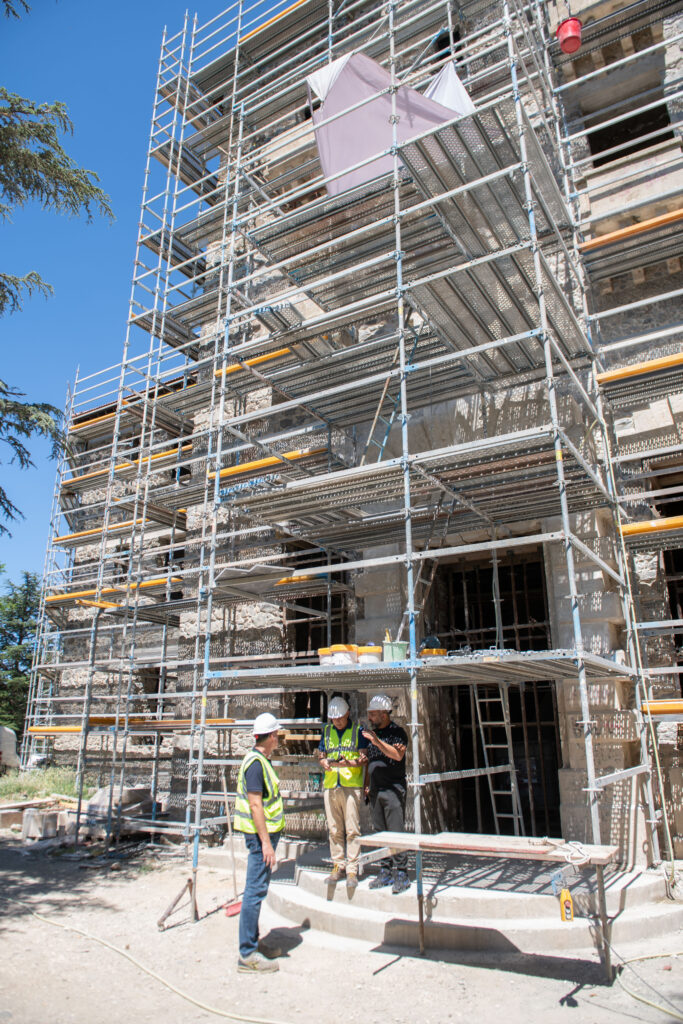
Its architectural value lies in the fact that it is the first, on such a large scale, architectural design of a hotel unit in the mountains. It clearly captures the typology of the hotel building through a "fortress" architecture, expressing the vision of the people who designed and built it, their aesthetic preferences, the technological capabilities of the time, as well as the then know-how of "building", i.e. the mixture of load-bearing stonework and reinforced concrete.
Starting the planning for the revival of the historic hotel, we set as our main goals the highlighting of the typological identity of the building, the careful and faithful restoration of its damaged or precarious parts, as well as the painstaking maintenance of the existing structural structure, always in accordance with the guiding principles of restoration and restoration.
-How did you balance between maintaining the authentic morphological elements of the hotel and the need to incorporate modern functional and technical specifications?
The need to preserve the morphological elements of the building does not negate the necessity of incorporating modern functional and technical requirements. On the contrary, it is a particularly demanding and often inventive process of thinking, analysis and compositional design, a process of technical and aesthetic invention, which we could characterize as a dialectical coexistence between the existing old and the imprint left on its "body" by the modern era.
-Which architectural elements of the original Berengaria do you consider to be the "soul" of the building and were deemed necessary to highlight them in the new project?
As I mentioned above, the typological identity of the building had to be preserved, as it describes both the structure and the articulation of its spatial units: open, unified spaces that host the communal activities on the ground floor and rooms on either side of central corridors on the floors.
At the same time, the "fortress-like" typology of the building is preserved, a solid stone-built shell dominated by the full, with relatively small, elongated openings and windows.
Of particular importance are also the central tower and the exterior carved stone decoration of the main entrance, which leads the visitor to the reception chamber, a double-height space with the characteristic monumental staircase that welcomes the incoming visitor.
On either side of the staircase, during the maintenance work, two large fireplaces were revealed, symmetrically placed opposite each other, which had been covered in previous interventions in the building. These fireplaces will be maintained and will be put back into operation.
-What were the biggest architectural challenges that arose from the current condition of the building and how did they affect the final design?
The stone-built shell of the building had serious problems of corrosion and disintegration, while some parts of it had collapsed. Many reinforced concrete elements, such as lintels, connecting beams, and slabs, had been corroded and carbonized and needed to be replaced with new, healthy structural members. At the same time, large parts of the external stonework had to be re-founded.
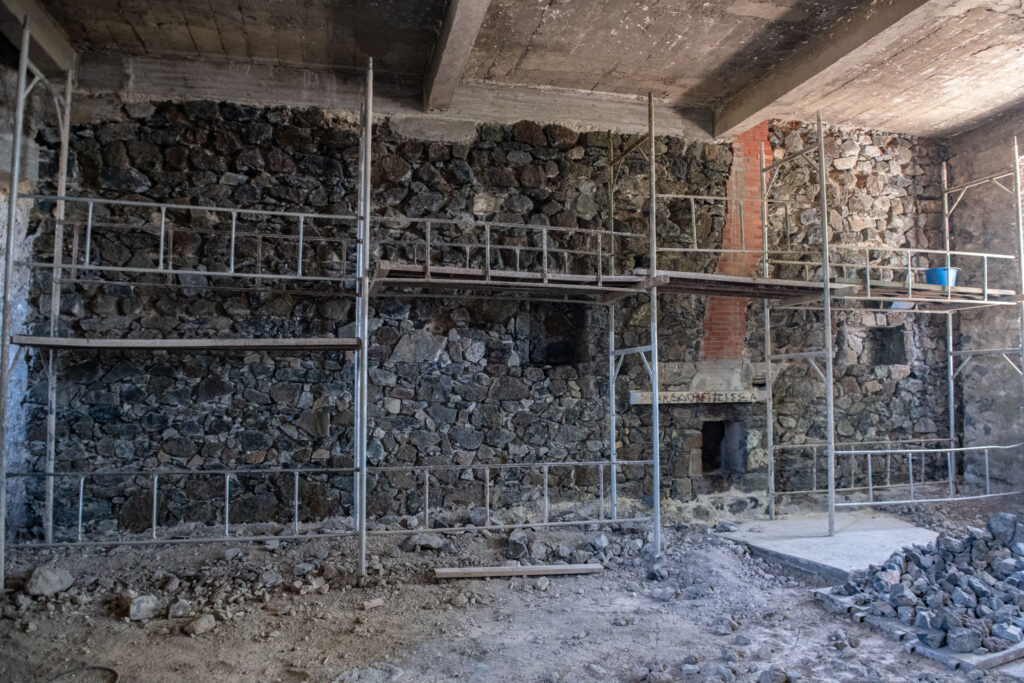
One of the biggest design and technical challenges was, and still is, the modernization of the building through the integration of electromechanical systems, such as air conditioning, heating, fresh air supply and electrical installations, which are necessary for the reopening of the hotel with all the modern amenities expected by today's guest.
Therefore, the design and integration of these "foreign" infrastructure to the original building, while keeping its historical shell almost intact, is one of the biggest challenges of the project.
-In what way is the new architectural identity of Berengaria connected to the natural landscape of Prodromos and the special history of the area?
The existing building was erected with the basic natural materials available in the area, i.e. the local Troodos stone, as well as with the – then modern – technology of reinforced concrete, which, it is worth noting, was applied entirely by hand by dozens of local workers.
The rough grey stone and the exposed concrete blend harmoniously with the texture of the trunks of the black pine that dominates the wooded landscape around the hotel and co-shape the physiognomy of the mountainous Prodromos.
The dominant presence of the building at the top of the hill is reminiscent of a fortress or fortress that oversees the landscape, but without imposing or crushing it.
The new form of Berengaria – What the facility will include
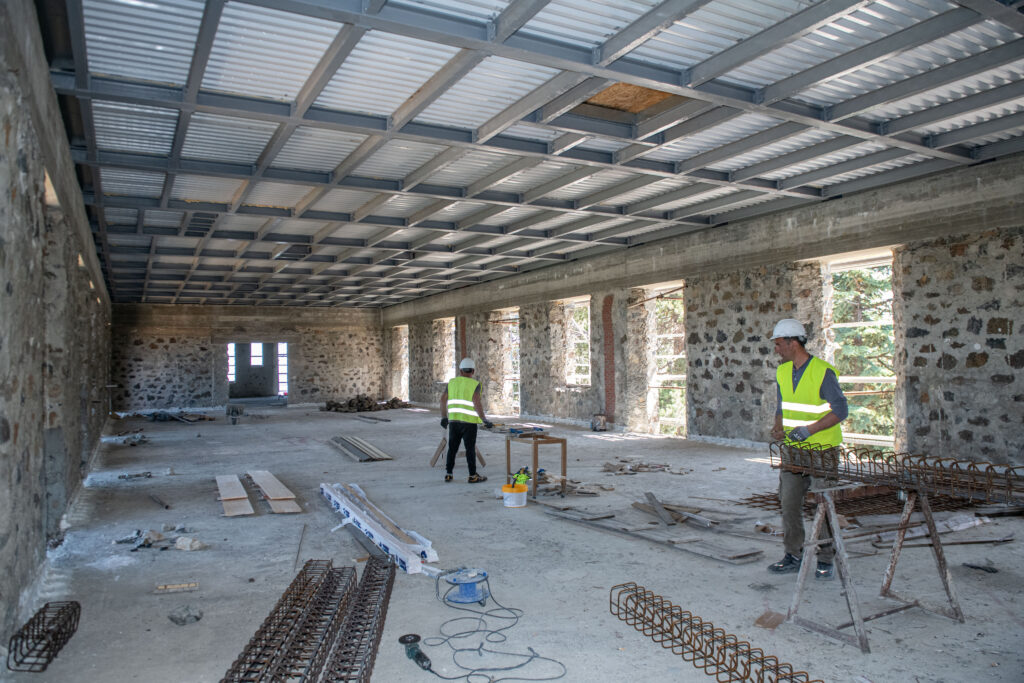
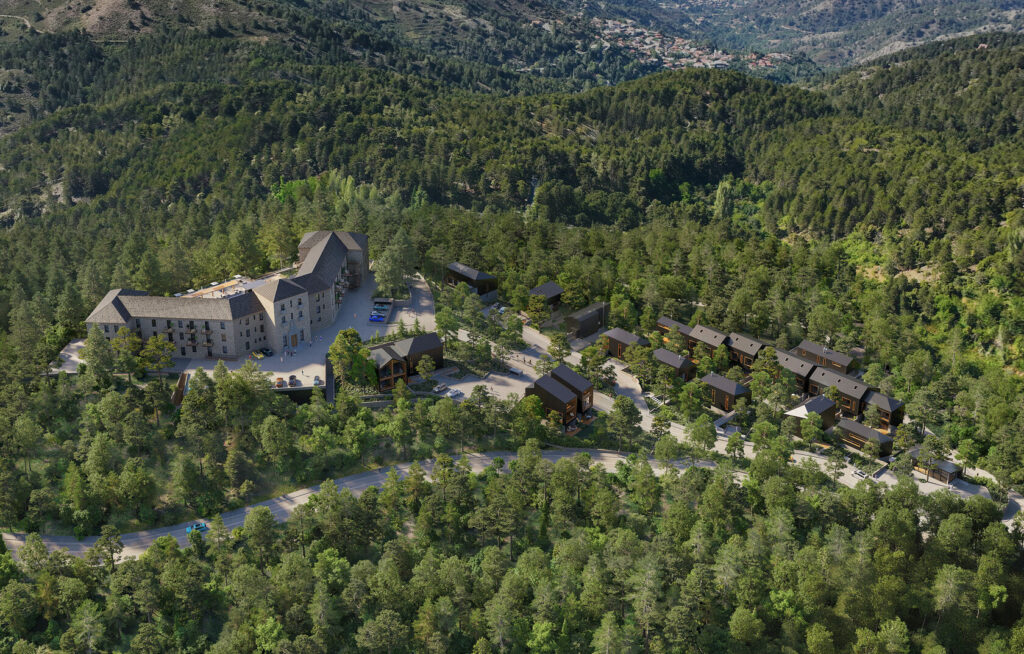
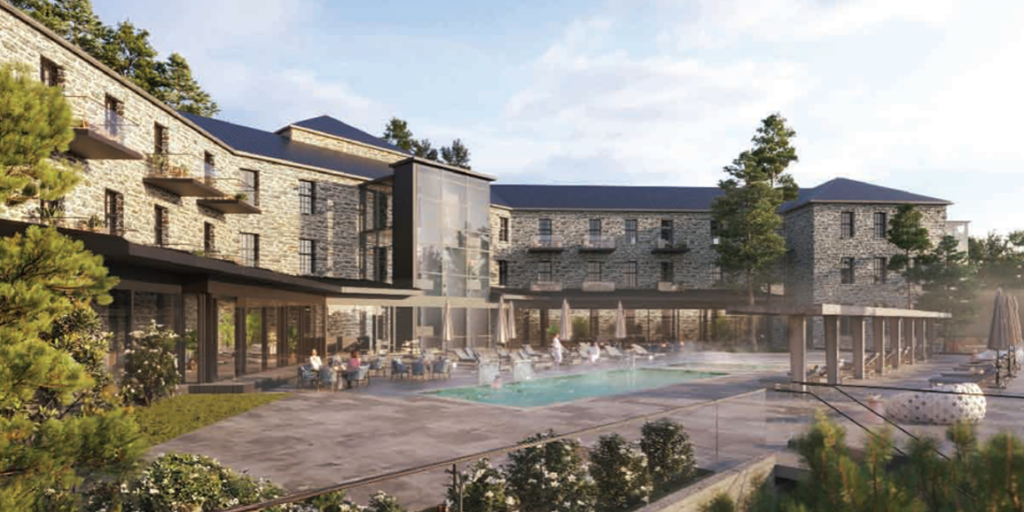
The reborn Berengaria is not just another hotel, but an integrated hospitality and residential project that is integrated into the natural environment of Prodromos. The project provides for the development of modern hospitality infrastructure, as well as the construction of apartments and villas in the wider surrounding area.
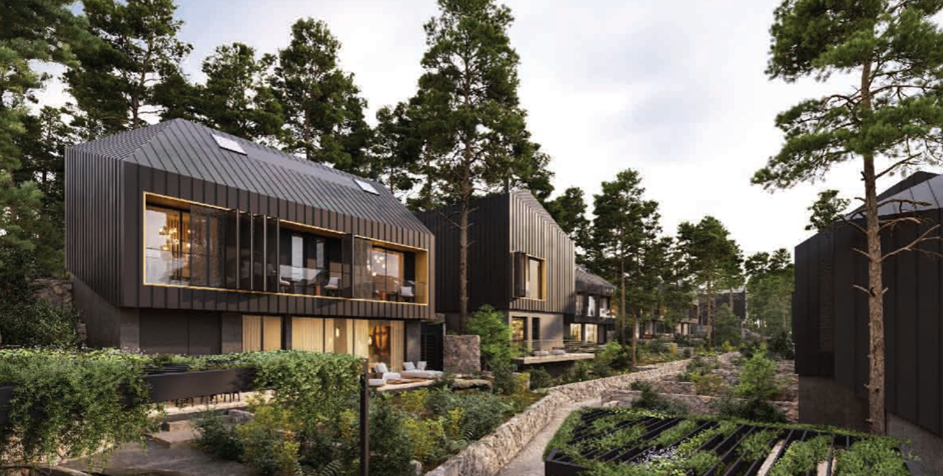
More specifically, based on the design, the project will include a five-star boutique hotel with about 30 rooms and suites, restaurants and bars, as well as a wellness area with a luxury spa and indoor and outdoor pools. At the same time, a gym, relaxation and wellness areas will be developed, as well as residences and tourist apartments in the wider complex, along with villas and private houses that will be part of the mountainous landscape.
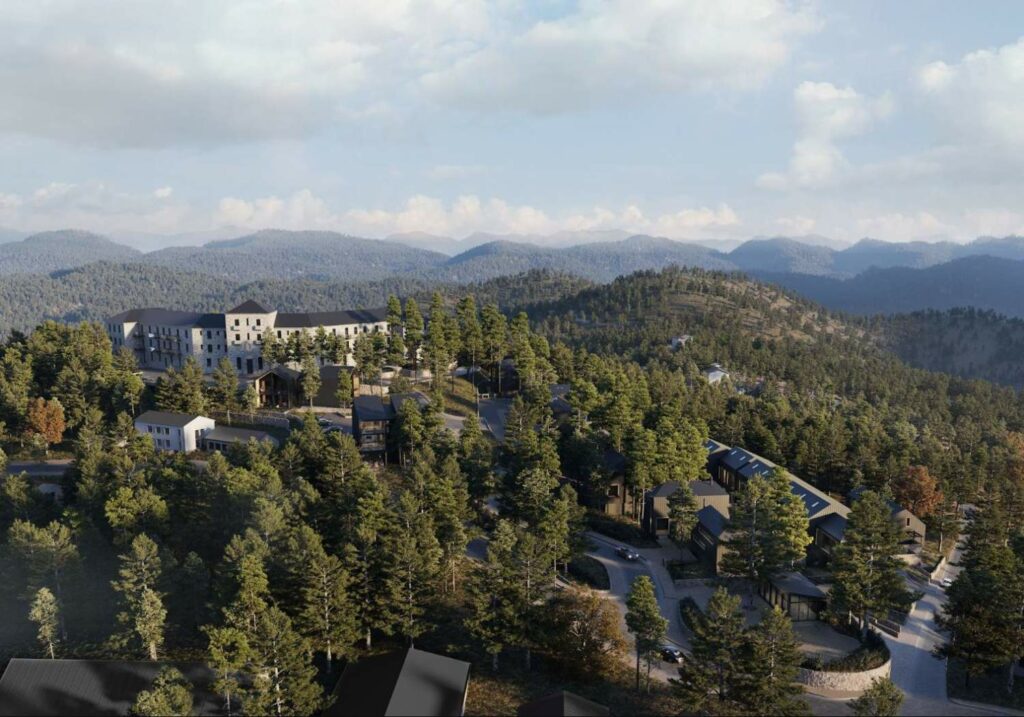
The philosophy of the project, as reflected in the design, is based on the integration of the development into the natural environment of Troodos, with respect to both the landscape and the historical identity of the hotel.
As noted by Andronikos Spyrou, Senior Project Manager of bbf:, the philosophy of the project is based on respect for the historical identity of Berengaria and its integration into the natural environment of Troodos, with modern solutions that do not alter the character of the building.
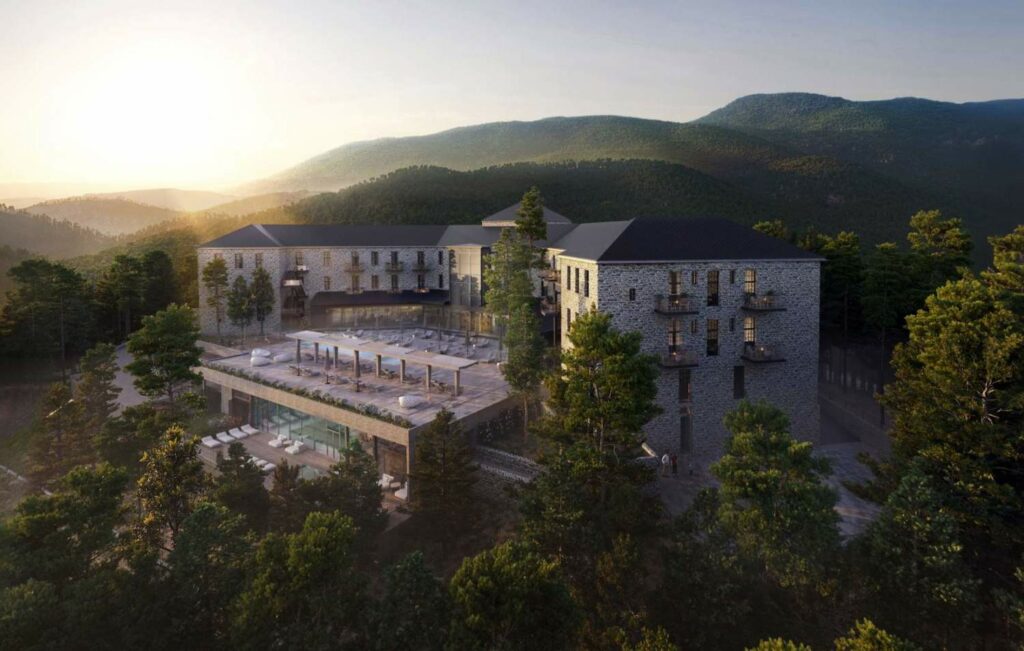
According to the plan, interior renovation work and new developments began in early 2026, with the aim of completing the project within 2029, with the total investment amounting to €35 million.
It should be reminded that the regeneration of the listed Berengaria is being implemented by the bbf:, Group, in collaboration with Thanos Hotels & Resorts, which will also undertake the operation of the hotel complex.
Andronikos Spyrou, Senior Project Manager of bbf:
Berengaria returns as a landmark for mountainous Cyprus
Andronikos Spyrou, Senior Project Manager of bbf:, talks to Forbes about the restoration of the historic hotel, the technical challenges of the project and the vision for the new era of Prodromos by 2029.
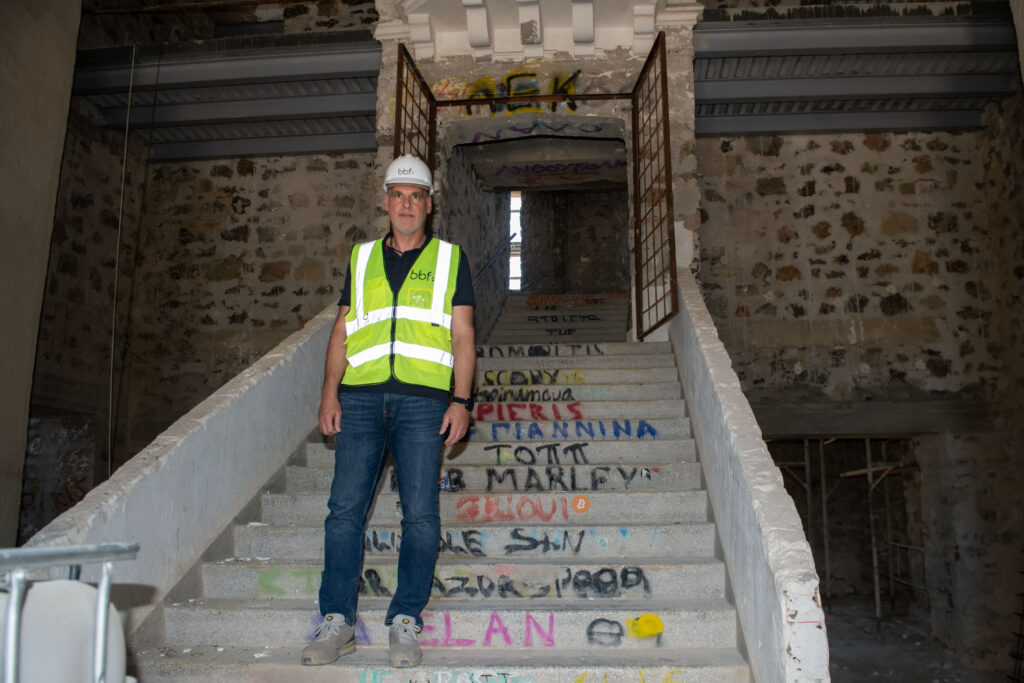 Andronikos Spyrou / Senior Project Manager of bbf:
-What is the basic philosophy behind the restoration of the historic Berengaria Hotel and how do you seek to balance between preserving its authenticity and the needs of a modern project?
The main philosophy behind the restoration of the historic Berengaria Hotel is the creation of a 5* hotel which will offer all the comforts of a modern hotel unit while at the same time respecting the history of the hotel as well as the surrounding area of the development.
The balance between maintaining the authenticity and the needs of a modern project is achieved through the smart and careful adoption of modern solutions and materials (e.g. heating and cooling of the hotel premises while maintaining the original aesthetics and appearance of the building both externally and internally, the use of materials and methods of repair and construction which have the approval and consent of the Department of Town Planning and Housing (Conservation Branch), etc.).
-What were the biggest technical or other challenges you faced to date in the restoration of such an emblematic but also abandoned for years building?
The biggest challenges we have faced to date are:
-The repair of the existing masonry which had either collapsed or had serious cracks.
-The excavation and creation of foundation beams under the existing stone walls without causing damage to the building
-The completion of the reconstruction of the sloping roof of the Listed Building (including the metal beam) and the installation of the new sloping roof with tiles.
-Which elements of Berengaria's original identity were deemed necessary to preserve and highlight through the restoration work?
The elements of the original identity of the building which were deemed necessary to emerge through the repair and restoration works of the hotel are:
-The excavation and creation of foundation beams under the existing stone walls without causing damage to the building
-The completion of the reconstruction of the sloping roof of the Listed Building (including the metal beam) and the installation of the new sloping roof with tiles.
-Which elements of Berengaria's original identity were deemed necessary to preserve and highlight through the restoration work?
The elements of the original identity of the building which were deemed necessary to emerge through the repair and restoration works of the hotel are:
-The exterior masonry
-The restoration of the sloping roof and the installation of a new roof made of tiles which seems to have existed in the building based on period photographs.
-The repair of the stone arch around the Main Entrance of the hotel
-The repair of the imposing central staircase which dominates the entrance of the building
-The repair/restoration and promotion of the five existing fireplaces which existed on the ground floor of the hotel. Some of them had been sealed, we uncovered and repaired them, some had been completely removed (only the chimneys remained) and some were damaged. All these have been repaired in order to meet the requirements of the Fire Service in terms of fire safety.
-The use of wooden floors in several areas of the hotel, which seems to have existed in the building initially based on archive photos
-The restoration of the existing floors in the areas in which they had been preserved until today.
-How do you expect the reopening of Berengaria to affect the area of Prodromos and mountainous Cyprus in general, both touristically and economically?
The reopening of the Berengaria Hotel is expected to positively affect the area of Prodromos and the wider mountainous area as it is expected to be a pole of attraction for visitors.
Considering that the community of Prodromos is very close to Troodos, it is expected to attract visitors who would like to visit the area all year round.
The development is expected to help highlight the various natural beauties of the area, as well as historical monuments.
The entire development of Berengaria combines a modern 5* hotel unit, with private residences in a unique environment, within the forest and a Natura 2000 area with which the development borders.
The whole development is expected to help in the economic revitalization of the community and the wider region by creating needs for ancillary services as well as needs for work. The operation of the development is expected to provide an incentive for people to either return to the area or stay in the area and take advantage of the opportunities that will arise.
-What is the timetable for the implementation of the project and what is bbf's vision for the new era of Berengaria after the completion of the restoration?
The completion schedule of the Project is within 2029.
The company's vision for the new era of Berengaria is the completion of a Project which is a milestone for the island. Berengaria is a historic building that everyone knows and that everyone expects.
The history of the "Hotel of the Kings"
-The restoration of the sloping roof and the installation of a new roof made of tiles which seems to have existed in the building based on period photographs.
-The repair of the stone arch around the Main Entrance of the hotel
-The repair of the imposing central staircase which dominates the entrance of the building
-The repair/restoration and promotion of the five existing fireplaces which existed on the ground floor of the hotel. Some of them had been sealed, we uncovered and repaired them, some had been completely removed (only the chimneys remained) and some were damaged. All these have been repaired in order to meet the requirements of the Fire Service in terms of fire safety.
-The use of wooden floors in several areas of the hotel, which seems to have existed in the building initially based on archive photos
-The restoration of the existing floors in the areas in which they had been preserved until today.
-How do you expect the reopening of Berengaria to affect the area of Prodromos and mountainous Cyprus in general, both touristically and economically?
The reopening of the Berengaria Hotel is expected to positively affect the area of Prodromos and the wider mountainous area as it is expected to be a pole of attraction for visitors.
Considering that the community of Prodromos is very close to Troodos, it is expected to attract visitors who would like to visit the area all year round.
The development is expected to help highlight the various natural beauties of the area, as well as historical monuments.
The entire development of Berengaria combines a modern 5* hotel unit, with private residences in a unique environment, within the forest and a Natura 2000 area with which the development borders.
The whole development is expected to help in the economic revitalization of the community and the wider region by creating needs for ancillary services as well as needs for work. The operation of the development is expected to provide an incentive for people to either return to the area or stay in the area and take advantage of the opportunities that will arise.
-What is the timetable for the implementation of the project and what is bbf's vision for the new era of Berengaria after the completion of the restoration?
The completion schedule of the Project is within 2029.
The company's vision for the new era of Berengaria is the completion of a Project which is a milestone for the island. Berengaria is a historic building that everyone knows and that everyone expects.
The history of the "Hotel of the Kings"
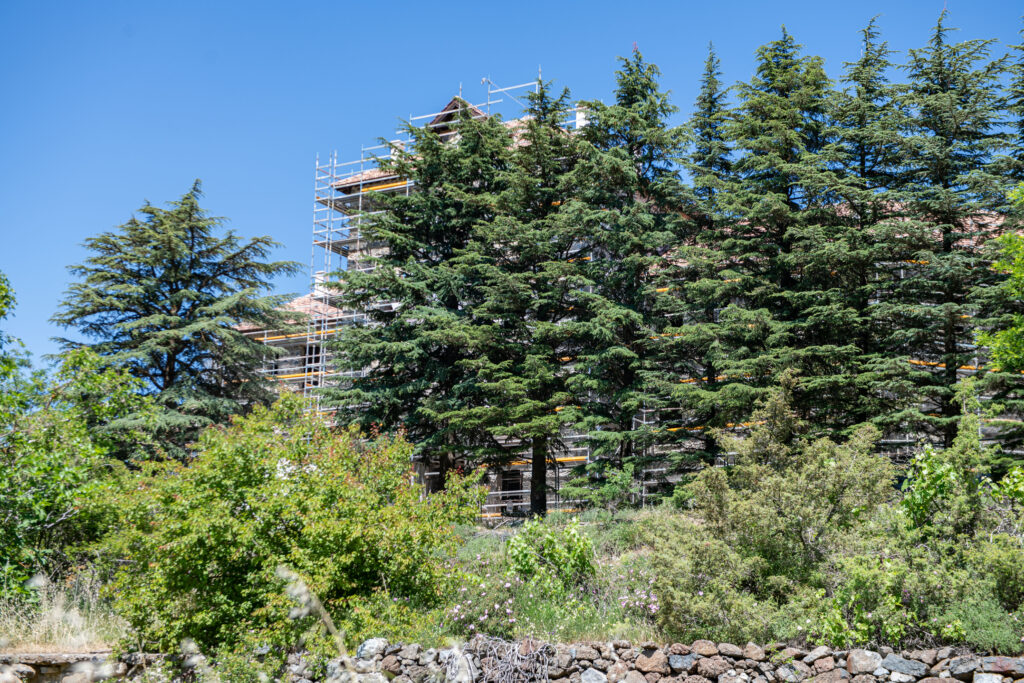
Known as the "hotel of kings", Berengaria opened in 1931 and for decades was a reference point for the secular and tourist life of Troodos. Built in Prodromos, at an altitude of about 1,400-1,450 meters, it was one of the first and most luxurious hotels in Cyprus, attracting visitors from both the island and abroad.
Its significance, however, is not limited to its fame alone. As the architects of the project point out, Berengaria captures the first steps of organized tourism and wellness in Cyprus. It was the pre-eminent mountain resort of the island's bourgeoisie, with fame and glamour that went beyond the Cypriot borders.
Its name refers to Berengaria of Navarre, wife of Richard the Lionheart, who married in Limassol in 1191. This connection was enough to strengthen the legend around the hotel and give it the royal glamour that follows it to this day.
Behind its creation was Ioannis G. Ioannidis Kokkalos, with architectural plans starting in 1927. His vision was to create a large mountain resort, which would offer a high level of hospitality and put Prodromos on the map of prestigious destinations. And indeed, very soon, Berengaria evolved into a venue for banquets, dances, social events and high-demand holidays.
Architecturally, Berengaria was pioneering for its time. It is one of the first large-scale designs of a hotel unit in the mountains, with a strong "fortress" shape, a solid stone-built shell and the use of both local stone and reinforced concrete. Its construction was also linked to the work of dozens of locals, who participated manually in the application of the techniques of the time.
Important personalities passed through its rooms, lounges and bar, such as King Farouk of Egypt, the later president of Israel Ezer Weitzmann and Archbishop Makarios III. Princess Zina Kanther de Tyras, Winston Churchill and Angela Bowie are also associated with its history, adding even more glamour to its legend.
The countdown to its closure began after the major upheavals in Cypriot tourism. The Turkish invasion of 1974 and the gradual shift of visitors to seaside resorts weakened mountain tourism, leading to Berengaria closing its doors in 1984, leaving behind a history full of glitz and legends. A story that is starting to be rewritten today.
