
Impact of EU crackdown on third-country commerce such as Temu and Shein
From the start of July, the European Union is introducing a €3 duty on non-EU goods worth up to €150. This affects, among others, major retailers such as the fashion chain Shein and the budget retailer Temu.
The new duty is intended to ensure fairer competition between domestic suppliers and those from third countries. As things stand, however, it means one thing above all else: bureaucratic chaos and uncertainty over responsibilities.
Competition from third countries
“The reason for imposing this temporary duty is to correct the unfair competition between the EU and third countries’ traders caused by the exponential increase of e-trade and the distance selling of low value consignments,” the customs department told the Cyprus Mail.
Recent figures of the European Commission paint a clear picture: 4.6 billion e-commerce parcels valued under €150 were imported into the EU in 2024, equalling an average of 12 million parcels per day.
The majority of said shipments, 91 per cent, came from China, with a similar tendency reported for Cyprus.
“The biggest volumes are from China but also UK and America,” says the CEO of local delivery company ACS Christoforos Potamitis.
Until now, orders valued at €150 or below fell under a customs duty relief threshold. This effectively meant that goods with the respective value could enter the EU without incurring any custom duties.
According to the authorities contacted by the Cyprus Mail, this led to various problems including risks for consumers, significant environmental impacts, as well as unfair competition for Europe-based businesses.
With the permanent removal of the customs duty threshold set to take effect in two years’ time, Brussels has since moved to impose a fixed customs duty of €3 on all shipments from third countries as a stopgap measure until 2028
“After 2028 when the customs data hub will be fully implemented and all imports will be obliged to be declared on the base of the tariff code of each item and the duties will be collected according to the common EU Customs tariff like the normal import of goods,” the customs department said.
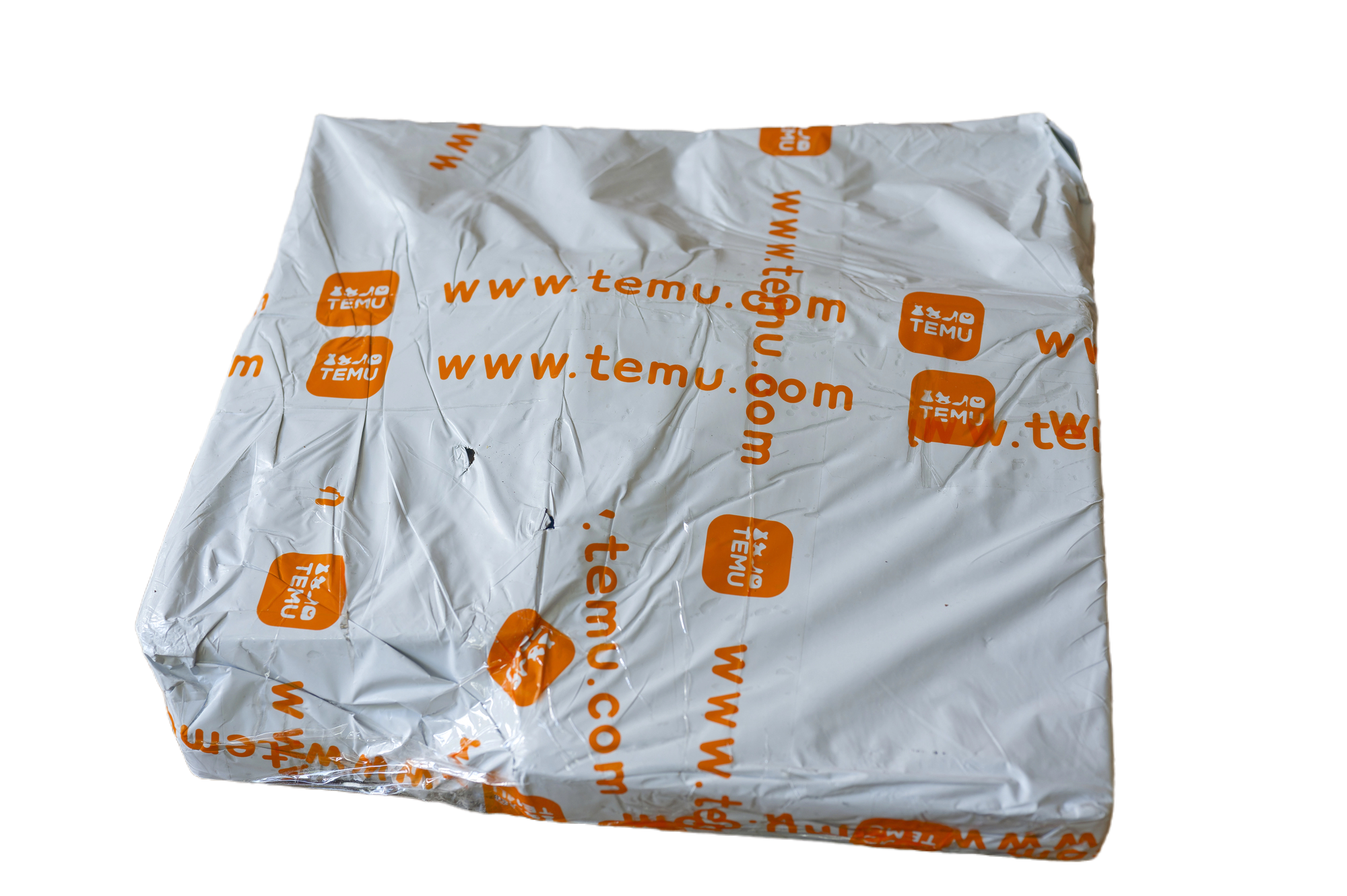
How will the duty be applied?
The new duty is applicable on all orders below €150 of value placed with retailers from third countries. Rather than applied as a one-time duty, it will be applied to the individual products of the order.
“The €3 duty will be applied to each different item, according to their tariff headings, contained in a consignment,” an EU source told the Cyprus Mail.
In practice, this means that if a parcel contains a pair of jeans and two pairs of linen trousers, due to the different tariff sub-headings of the items, €6 in customs duty should be paid.
And that’s not all. Beyond the €3 duty, Brussels has also introduced an additional €2 handling fee per parcel, applicable from November.
But how will customs know how much the value of the consignments is?
“We are not informed about the value of the goods in a parcel, we only get informed about the reference number and the details of the receiver,” said ACS.
The customs department explained that low value consignments will be recognised by the submission of certain declarations by the courier companies’ or post office’s customs agents. The duty itself will then be collected by the custom administrations of the member states.
“In case of delivery to pick up locations the duty will be collected before the delivery from the point of entry to Cyprus to the pickup locations. The key fact is that the customer will pay the duty either at the time of order or before the pickup or delivery of the parcel,” the customs department said.
What does this mean in practice?
“Even the shippers like Shein and Temu are not sure exactly how they are going to handle this,” said Potamitis from ACS, who has been in contact with some of the big trading companies.
While he believes the cost will ultimately be absorbed by the shippers rather than receivers, he is careful to stress it remains an assumption.
“I doubt that the receivers are going to be affected, everything is going to be absorbed by the shippers,” he said – though how exactly platforms like Temu and Shein will respond is yet to be seen.
“I assume that the companies will first pull back a bit and try to cut on the packages,” he said.
Meanwhile, one thing is clear. Every order arriving in Cyprus after July 1 will be affected by the new regulation – regardless of when the order was placed.
“The crucial factor to decide the charge of the temporary €3 duty per category item is the date of the arrival in Cyprus,” the customs department confirmed.
There is, however, a potential workaround for the big platforms.
Should companies like Temu or Shein establish warehouses in the EU by importing goods in bulk and paying the new duty, the goods would be considered “European” and could enter the local market.
For Cyprus, this is particularly relevant as already some of the imports are cleared in Bulgaria or Greece.
“It has to be distinguished though that if the established warehouses will be operated in the form of a bonded warehouse (meaning that the duties and taxes for the storage goods are not paid until the exit from bonded) then the temporary €3 duty will be applicable as it will be considered as distance sale from the third country, even though the bonded warehouse is located in an EU country,” said the customs department.
