
In an exclusive interview, Ambassador Yousef Sultan Laram discusses regional tensions, diplomacy, his family's life in Cyprus, and why dialogue remains the only path to lasting peace.
Diplomats are often judged not only by the positions they represent but also by their willingness to engage with the people and communities around them. Since arriving in Cyprus for his first posting on the island, Qatar’s ambassador, H.E. Yousef Sultan Laram, has made a noticeable effort to do just that, building connections, participating in some community events, and remaining accessible whenever possible.
That openness was evident when he agreed to this exclusive interview, taking the time to provide detailed responses despite the need for official clearances and the intense diplomatic activity surrounding recent developments in the region. Throughout our conversations over the past months, he has consistently been accommodating, approachable, and eager to strengthen ties between Qatar and Cyprus.
The timing of this interview comes as the Middle East continues to navigate a period of heightened uncertainty and geopolitical tension. Qatar finds itself in a unique position, maintaining strategic partnerships with Western allies while also preserving channels of communication with regional actors across the political spectrum. The Gulf state has increasingly become a key player in mediation efforts, often serving as a bridge between parties that are unwilling or unable to speak directly to one another.
Against this backdrop, the ambassador shares Qatar’s perspective on regional security, diplomacy, relations with Cyprus, and the challenges of maintaining dialogue in a region where tensions can escalate rapidly. He also reflects on the personal dimension of these events, as someone whose family life spans both Qatar and Cyprus, offering a rare glimpse into how global developments are experienced beyond official statements and diplomatic meetings.
In this exclusive interview, he discusses Qatar’s approach to mediation, the importance of de-escalation, the growing relationship between Doha and Nicosia, and why he believes dialogue remains the most effective path toward lasting stability.
Q: Mr. Ambassador, Qatar is known for talking to all sides, even rivals. But in a situation like this, how hard is it really to stay neutral when pressure is coming from different directions?
A: The State of Qatar firmly believes that dialogue remains the most effective means for resolving disputes and preserving regional stability. Qatar’s foreign policy has consistently been based on maintaining channels of communication with all parties in order to support peaceful solutions and de-escalation efforts. At the same time, Qatar clearly rejects any violation of its sovereignty, airspace, or territorial integrity and affirms its right under international law to protect its security and the safety of all those residing on its territory. Despite the difficult circumstances and heightened tensions, Qatar has continued to adopt an approach based on wisdom, restraint, and responsible diplomacy, while intensifying coordination with regional and international partners to contain escalation and prevent further deterioration of the situation. At the same time, Qatar continues to communicate and coordinate closely with its brothers in the Gulf Cooperation Council countries and supports all regional and international efforts aimed at de-escalation, restoring calm, and achieving sustainable regional stability through dialogue and diplomatic means. Moreover, despite everything, the State of Qatar remains open to dialogue. H.E. Sheikh Mohammed bin Abdulrahman bin Jassim Al Thani, Prime Minister and Minister of Foreign Affairs, has maintained diplomatic communications with regional and international counterparts since the beginning of the crisis as part of Qatar’s efforts to contain escalation and support diplomatic solutions.
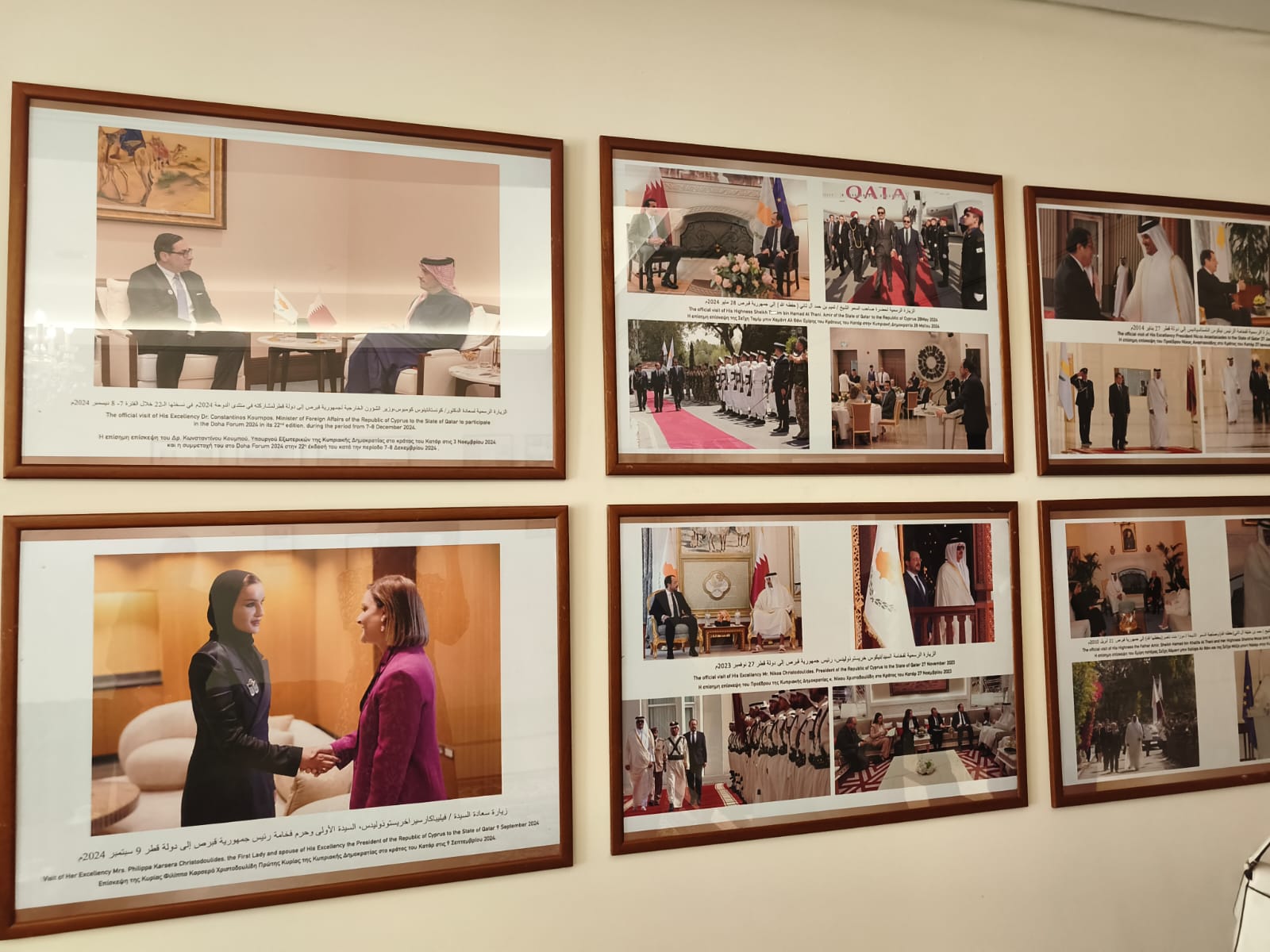
Q: With Qatar hosting a major U.S. base and also keeping channels open with Iran, how do you manage that balance when tensions are this high, and has that ever put you in a difficult position?
A: Since adopting dialogue and mediation as a strategic approach, the State of Qatar has fully understood the complexities and challenges associated with maintaining communication with all parties during periods of regional tension. Qatar’s relations with all countries are based on mutual respect, shared interests, and full respect for state sovereignty in accordance with international law and the Charter of the United Nations. Its strategic partnerships, including defense cooperation with the United States and relations with regional countries, are part of this sovereign approach and do not come at the expense of its commitment to balanced diplomacy. Qatar has consistently demonstrated that maintaining open channels of communication contributes to reducing tensions, facilitating dialogue, and supporting peaceful solutions. This balanced and constructive approach has enabled Qatar to play important roles in mediation and conflict resolution in various regions around the world. Accordingly, Qatar will continue working responsibly with regional and international partners to support security, stability, and peaceful resolution of disputes.
Q: Since you are also Qatar’s ambassador to Cyprus, do you see Cyprus becoming more exposed to this wider regional tension, especially with British bases on the island and other strategic facilities nearby?
A: The State of Qatar reaffirms its respect for the sovereignty of all states and their right to enter into agreements and partnerships related to their national security and defense in accordance with international law. At the same time, Qatar stresses that military escalation and the targeting of sovereign territories risk expanding instability across the wider region and beyond. Therefore, all efforts should focus on de-escalation, diplomacy, and preventing the widening of the conflict. The Republic of Cyprus is a friendly country with institutions fully capable of assessing developments related to its national security and taking the appropriate measures in that regard.
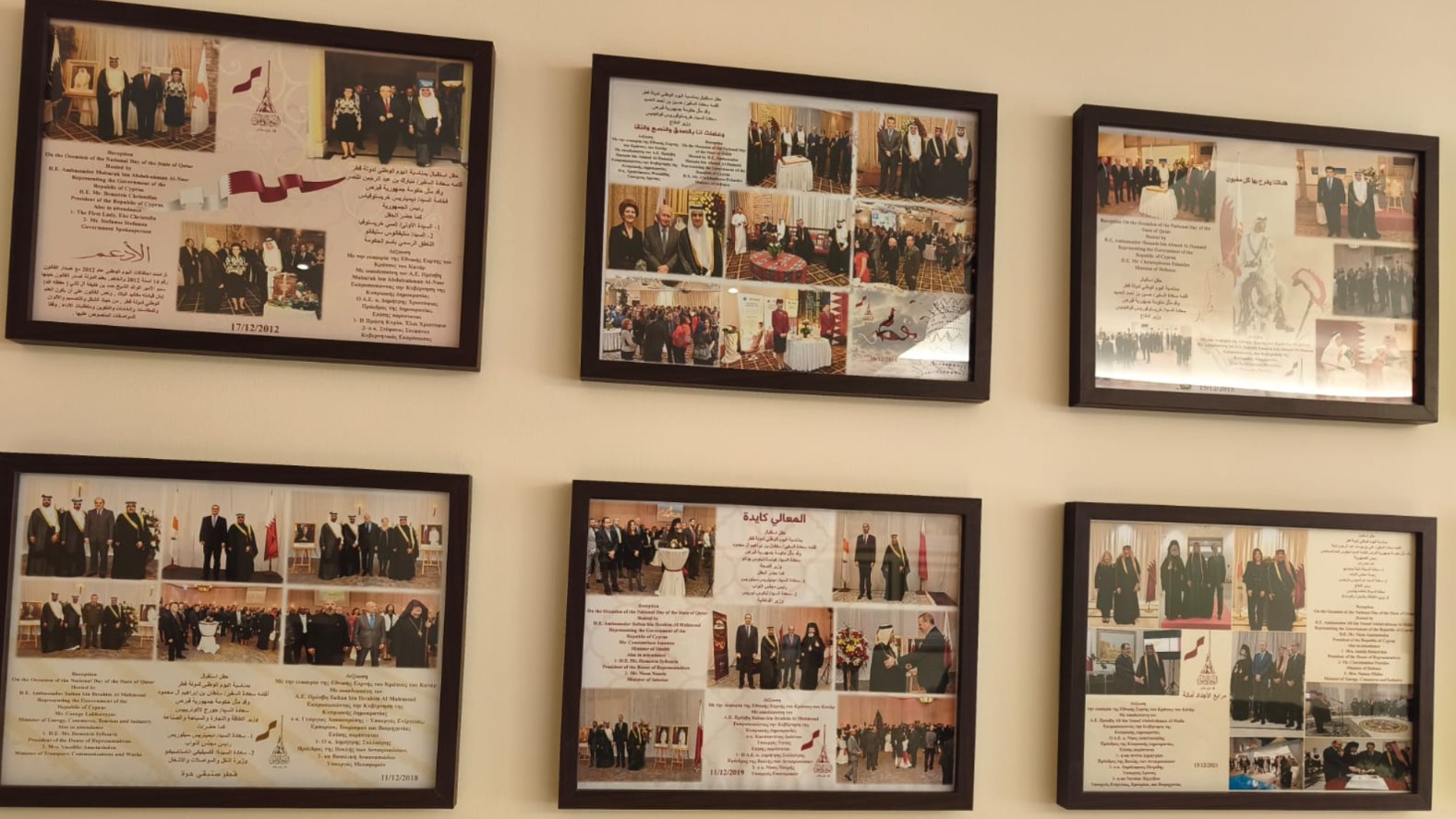
Q: During the last visit by H.E. the Minister of Foreign Affairs of the Republic of Cyprus to Doha, what were the key issues discussed? Were you personally involved in those talks?
A: Relations between the State of Qatar and the Republic of Cyprus have witnessed significant development in recent years, supported by the leaderships of both countries and reflected in the exchange of high-level visits and ongoing coordination on issues of mutual interest. In this context, the visit of H.E. Dr. Constantinos Kombos, Minister of Foreign Affairs of the Republic of Cyprus, to Doha provided an important opportunity to discuss bilateral cooperation and exchange views on regional developments and ways to support stability and dialogue in the
region. The meetings also reflected the strong relations and mutual respect between the two friendly countries, as well as the shared interest in promoting regional security, stability, and diplomatic solutions to crises. As for participation in the talks, I was naturally engaged within the framework of my diplomatic responsibilities and ongoing efforts to strengthen bilateral relations between the State of Qatar and the Republic of Cyprus.
Q: On a personal level, you have family both in Qatar and here in Cyprus, and even children in school here; does a situation like this change how you think about safety and stability for them?
A: I would like to emphasize that the safety and stability of my family members are of utmost importance to me, as they are closely linked to the safety and stability of society as a whole. There is a direct relationship between the condition of the state and the threats or security and stability challenges that society may face. There is no doubt that the attacks against the State of Qatar caused considerable concern among citizens and residents on its territory. Nevertheless, we have full confidence in the measures adopted by both the State of Qatar and the Republic of Cyprus to ensure security and stability for everyone residing on their territories, in addition to the international efforts exerted by both countries to safeguard peace and stability. At the same time, it is unfortunate that children are witnessing ballistic missiles and drones targeting their homeland, the State of Qatar, as well as the country in which they currently reside, namely the Republic of Cyprus. Such scenes and events undoubtedly create a deep sense of anxiety and insecurity.
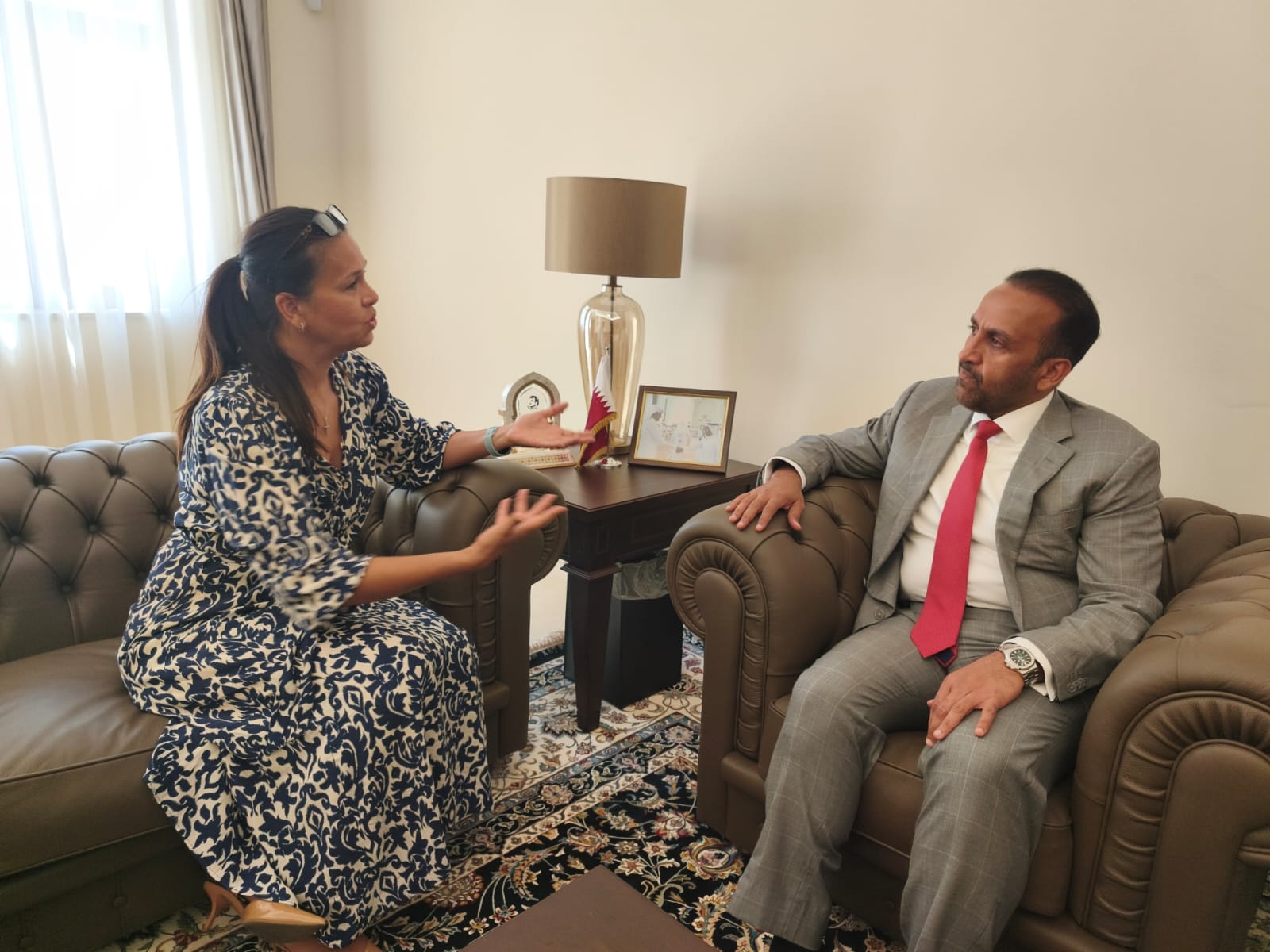
Q: How do you view the situation in the region?
A: The State of Qatar believes that the region is passing through a highly sensitive and dangerous phase that requires wisdom, restraint, and intensified diplomatic efforts from all parties. Qatar consistently stresses that security and stability in the region cannot be achieved through
military escalation, but rather through dialogue, respect for international law, good-neighbourly relations, and peaceful resolution of disputes.
Accordingly, Qatar calls for immediate de-escalation, protection of civilians, respect for the sovereignty of states, and a return to negotiations and diplomatic solutions that preserve the security and stability of the region and its peoples.
