
Europe is preparing a counterattack on the housing crisis that is affecting all the Member States of the European Union. The 27 Ministers of Finance and the Central Bankers are in Cyprus, who will participate today and tomorrow in the meeting of the Eurogroup and ECOFIN, in the framework of the Cypriot Presidency of the Council of the European Union. The Eurogroup will discuss macroeconomic developments in the eurozone, based on the European Commission's spring forecast, as well as developments in international energy markets, under the weight of the prolonged crisis in the Middle East. Particular emphasis is expected to be placed on the impact on inflation.
Common solution
During today's informal meeting of the Eurogroup, in the context of the discussion on competitiveness, the housing problem will also be raised. On the one hand, the high cost of owning a home or apartment and skyrocketing rents, and on the other hand, the lack of available housing in many European countries and the effects of the increase in Airbnb-type short-term rentals, are causing intense pressure on eurozone countries. At today's session, an effort will be made to find a pan-European solution.
Media in Greece reported that the president of the Eurogroup, Kyriakos Pierrakakis, in front of his 21 counterparts from the eurozone countries, will open a dialogue on the formulation of common policies at a pan-European level.
Keravnos Intervention
The Minister of Finance, Makis Keravnos, speaking to "F", said that housing is a big issue that affects Europe. As he noted, there will be an exchange of views and the measures taken by the other member states will be examined, in order to formulate a proposal to deal with the problem.
According to Mr. Keravnos, the issue is due to the lack of a satisfactory supply of affordable housing, adding that in the context of the session he will present the positions of Cyprus and the measures implemented in our country.
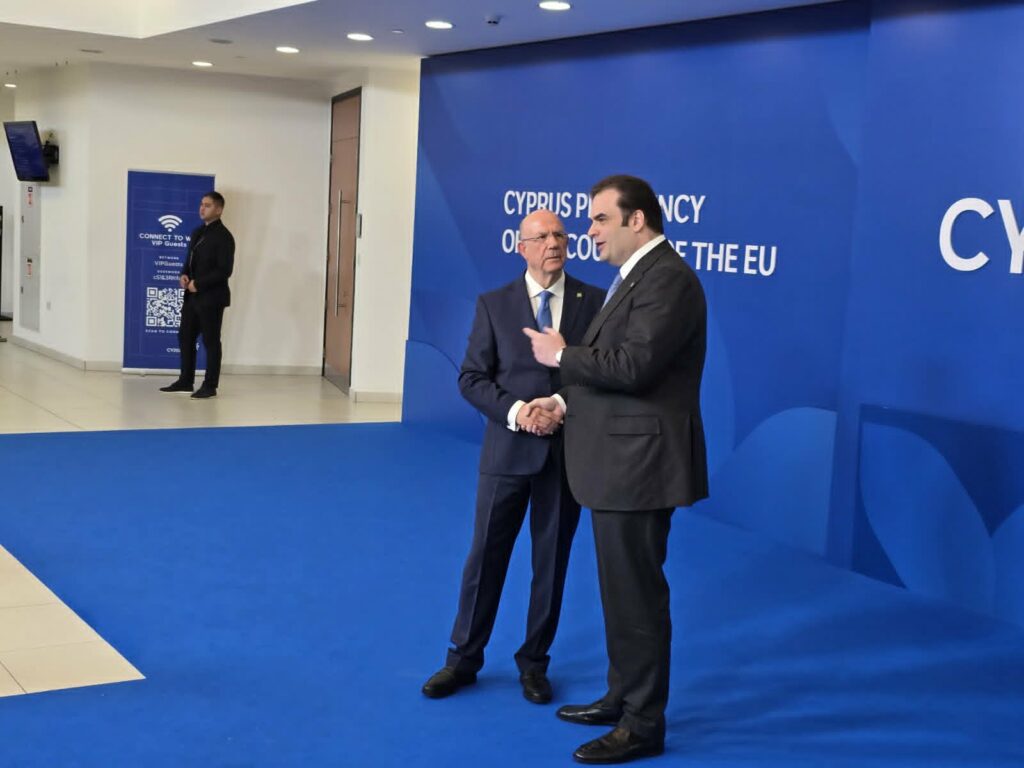
Spain, Ireland and Croatia
The Eurogroup discussion will present the housing policy models of Spain, Ireland and Croatia. The three countries' plans combine measures such as taxation, public investment for social housing, subsidies for primary residences, as well as strict rules and caps for airbnbs.
Spain is implementing a €7 billion government housing plan 2026-2030, which triples public investment to tackle the housing crisis and high rents. 40% of the budget is spent on the expansion of public housing. At the same time, the construction of new social housing is being promoted, subsidized housing that cannot be sold to private individuals is being built and a new affordable long-term rental system is being activated, with rent ranging at 30% of the income of the beneficiaries. In addition, houses are being built in remote areas, while short-term rentals are subject to a ceiling and the operation of unlicensed tourist accommodation is not allowed.
Ireland's plan is €11.3 billion for this year and provides for the construction of 300,000 new homes by 2030. From March, a 2% ceiling is imposed on rent increases or in line with inflation. VAT on the sale of ready-made apartments has been reduced from 13.5% to 9% by 2030. A 7% tax on the commercial value of real estate will be imposed on the owners of idle properties. Companies that invest in the state-owned Cost Rental model are completely exempt from corporate tax on the corresponding revenue. An amount of €2.9 billion is available for the construction of 10,200 new social housing and the purchase of existing real estate by the state.
Croatia is implementing the National Housing Policy Plan until 2030, under which a new annual property tax was introduced, from €0.60 to €8 per sqm for unused or vacant buildings.
Focus on competitiveness
During the working lunch, there will be an exchange of views on strengthening the EU's competitiveness, following the presentation of the Managing Director of the European Stability Mechanism, Pierre Gramegna and Professor Andreas Theophanous. The 21 Ministers will stress the need for greater political determination and accelerating progress on key reforms at EU level.
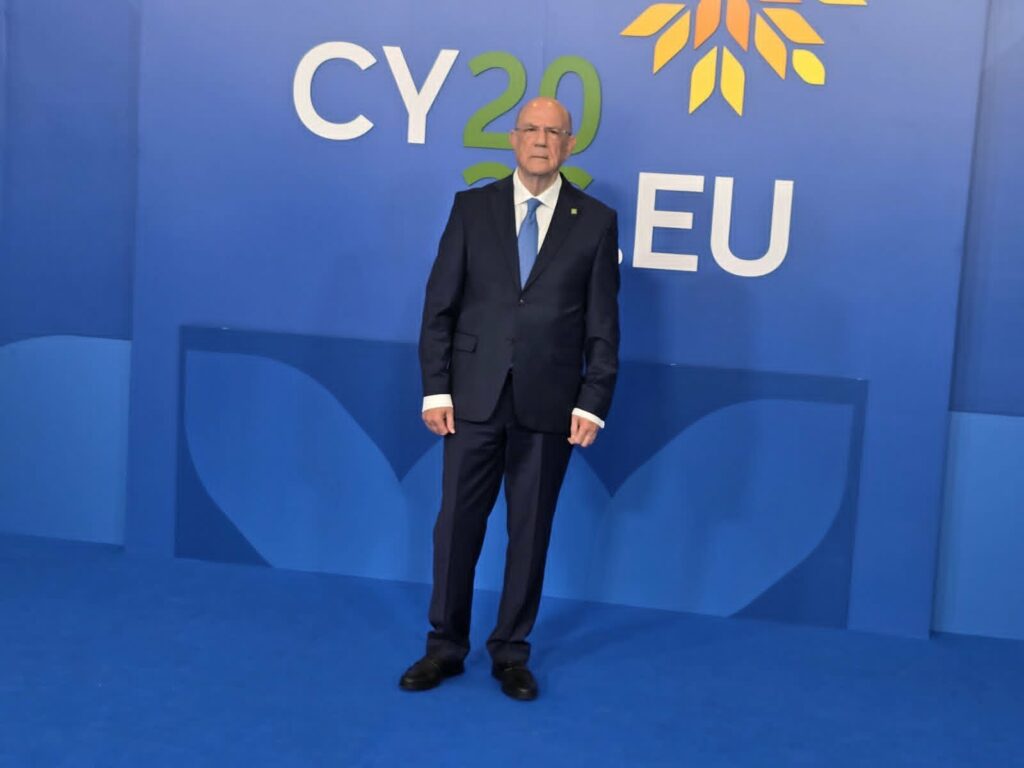
Lagarde in Cyprus
Afterwards, the Finance Ministers and Central Bankers, in the presence of the President of the European Central Bank, Christine Lagarde, will discuss the growing use of bitcoins, examining their role in the international financial system and the challenges to financial stability and the regulatory framework.
There will be an exchange of views on the use of bitcoins, based on a presentation by Bruegel, with a focus on their key features and economic functions.
Tomorrow at ECOFIN Makis Keravnos
Tomorrow, the Cypriot Minister of Finance will chair ECOFIN. Ministers will exchange views on how the EU can meet rising costs without undermining long-term fiscal sustainability.
The discussion will be based on the presentation of a study by the International Monetary Fund (IMF) and the contribution of the European Court of Auditors (ECA).
Makis Keravnos noted that competitiveness is a decisive factor for the future of the economy, adding that the motto of the Cypriot presidency is that strategic autonomy passes through the improvement of competitiveness.
He also stressed that the issue of productive investments is also important to deal with the energy crisis and the green transition, without jeopardizing the sustainability of public finances.
