
GERMAN MEDICAL INSTITUTE - WITH MULTIDISCIPLINARY MEDICAL SERVICES - FROM HEPATOLOGY AND INFECTIOUS DISEASES TO CARDIAC SURGERY AND TRANSPLANTS - Filenews 5/4 by Marilena Panayi
It entered the health system of Cyprus as a specialized center for the provision of oncology services. In the last year, it has been in the spotlight when the effort to operate a specialized allogeneic transplant unit came up against the lack of legislation. The recent passage of the relevant law by the Parliament, however, paved the way for the service of Cypriot patients who until today have been suffering both themselves and their families due to their mandatory travel abroad. The licensing and operation of the unit is now only a matter of time.
However, the German Oncology Center, as it was originally called, has long since been transformed into the German Medical Institute. New departments and clinics of different specialties, specialized laboratories and equipment, operate and offer their services to thousands of patients, while an integral part of its existence is its continuous participation in research.
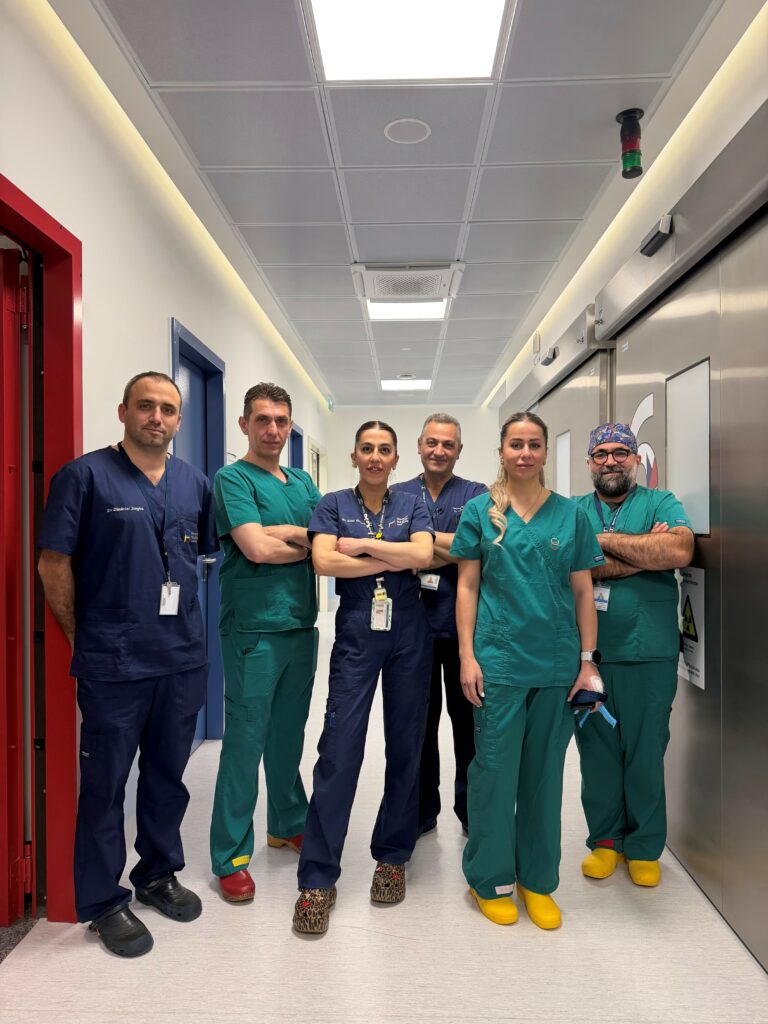
"We are not limited to these," the founder and director of the center, Professor Nikos Zampoglou, told "F". "We see our patients and their needs, which is why we also give help with caregivers in the homes of our patients. We have not yet expanded to the villages but this must also be done."
Long before the adoption of the legislation on the Patient Ombudsman, the institution of the "patients' rights officer" as well as social welfare services operated at the Center.
"We try to listen to the needs of patients and meet them. With the expansion into many specialties, with the specialized equipment, we are making efforts to offer our services."
"The German is a Medical Institute. Little by little we have expanded. We have specialized medical staff and we are happy to say that we can meet the needs of our patients," said the Professor.

Briefly, the German Medical Institute currently operates, among others:
>Heart Center, which covers the entire spectrum of cardiology and cardiac surgery care,
>the Department of Neurology and the Department of Neurosurgery,
> Pulmonology Department, Gastroenterology Department and Hepatology Clinic, which cover common diseases of the digestive system and liver,
> Orthopaedic Department as well as Urology Department.
>At the same time, the Department of Endocrinology contributes to the management of disorders such as diabetes and thyroid diseases.
The Department of Diagnostic and Interventional Radiology is of crucial importance for the diagnosis of many diseases, while the Department of Infectious Diseases is considered particularly important at a time when nosocomial infections and antimicrobial resistance are a growing challenge for health systems in general and Cyprus in particular.
Finally, there are Intensive Care Units and of course the blood transplant unit.
As Mr. Zampoglou underlined, "one specialty complements the other and the management of patients, where and where necessary, is done by a team of specialists so that we can deal with our cases comprehensively. In other words, the common denominator of the operation of the clinics is the development of multidisciplinary teams, in which doctors of different specialties participate for the overall evaluation of complex cases. This collaboration allows for targeted and personalized patient management and enhances the care provided."
In the field of hepatology, clinical activity focuses on the investigation, diagnosis and monitoring of liver diseases, with a particular focus on fatty liver disease, metabolic disorders and chronic liver diseases.
In practice, the relevant clinic accepts cases with pathological findings in imaging tests, with changes in liver enzyme values or with already documented liver disease. The support from the radiology department is also important, where examinations such as FibroScan and MRI are performed, which contribute to the assessment of liver damage and the systematic monitoring of patients' progress.
In the field of urology, services are provided for diseases of the urinary system in men and women. The department uses minimally invasive laser lithotripsy methods and techniques, while at the same time conditions such as female effort incontinence, male sexual disorders, infertility and Peyronie's disease are treated. In the same context, the treatment of recurrent urinary tract infections and the wider range of general urology are included.
In dermatology, the activity covers the prevention, diagnosis, and treatment of skin, hair, and nail conditions. Particular emphasis is placed on both general dermatological diseases and the early recognition and treatment of skin cancers. The operation of the department includes clinical assessment, diagnostic tests and skin surgical interventions, while where necessary, cooperation with other specialties is activated, especially in oncological cases or lesions that require a multifactorial approach.
Infectious diseases holds a special place in the hospital's organizational chart. The department manages complex cases of infections, provides hospitalization and counselling support to other clinics, and has an active role in the prevention and control of nosocomial infections, the formulation of proper antibiotic use policies, and the management of the issue of antimicrobial resistance.
At the same time, there is a regular outpatient clinic for patients with infections in different systems of the body, while research and educational activity is also developed with participation in scientific networks and programs.
In nephrology, clinical practice includes the monitoring and treatment of the entire spectrum of nephrological diseases, from diabetic nephropathy and glomerular diseases to chronic kidney disease, hereditary kidney diseases, systemic diseases with renal involvement and the investigation of nephrolithiasis.
The operation of the dialysis unit, which supports patients with increased treatment needs and has 27 machines for 21 stations, one of which is isolated. The unit uses online monitoring technology and is part of a more holistic approach to caring for patients with chronic kidney failure.
In pulmonology, activity spans from clinical evaluation and monitoring to invasive procedures. The department has outpatient clinics, a smoking cessation clinic, an interventional department and a pulmonary function testing laboratory. The department also covers hospitalized patients with respiratory problems.
In neurology, all neurological diseases are covered as well as disorders such as headache and migraine, vertigo, strokes, facial nerve palsy, multiple sclerosis and other neurological conditions.
The activity of the department also includes the interdisciplinary care of patients with brain tumours, while there is also participation in clinical trials related to neurological diseases and new therapeutic protocols.
In endocrinology, the monitoring and treatment of endocrinological disorders is covered, with particular emphasis on diseases directly or indirectly related to oncology.
Specialized diagnostic tests are performed in the department, such as hypoglycaemia tests, water deprivation tests, and investigation protocols for Cushing's syndrome and other disorders of the hypothalamic-pituitary axis. At the same time, there is an integrated approach to thyroid cancer through collaboration with nuclear medicine, surgical specialties, pathology and oncology.
In pathology, the services provided cover a wide range of pathological cases. The department also manages complex cases with multiple comorbidities, while services are provided both at the level of inpatient care and through outpatient clinics and Clinical Day.
In gastroenterology, the diagnosis and treatment of diseases of the digestive system is covered, both at the conventional and invasive level. At the same time, invasive endoscopic methods such as endoscopic submucosal dissection and endoscopic full-thickness resection are applied to treat selected lesions of the gastrointestinal tract.
The Heart Center has a special place in the Institute. Diagnostic and interventional radiology, cardiology, cardiac surgery and cardiac intensive care coexist at the Center.
At the diagnostic level, tests such as CT coronary angiography and magnetic resonance imaging of the heart are performed, including three-dimensional imaging of the coronary vessels, cardiac stress test within an MRI scanner and 4D mapping of blood flow.
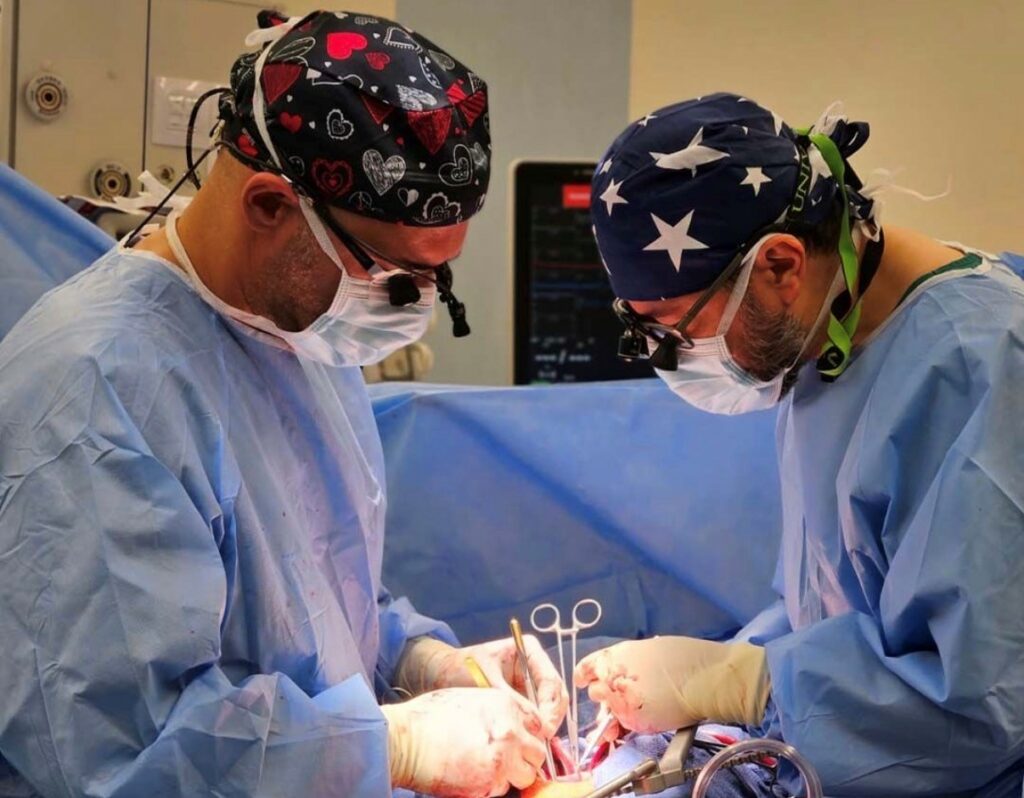
In the interventional arm, arrhythmia ablation, implantation of pacemakers and defibrillators, stent placement and percutaneous aortic valve replacement are covered. At the same time, the cardiac surgery department supports open-heart surgeries, while there is also a special cardiology intensive care unit for the monitoring of patients with acute or postoperative heart problems.
In otolaryngology, the hospital covers both the conservative and surgical treatment of a wide range of conditions. Surgical possibilities include otosurgery, open and endoscopic surgery of the paranasal sinuses and skull base, as well as salivary gland surgery. In cases of increased complexity, treatment is associated with interdisciplinary collaboration with other clinical and surgical specialties.
In neurosurgery, the activity extends both to neurosurgical oncology and to the treatment of benign diseases of the brain and spine.
In many cases, the treatment decision requires coordination with neurological, imaging and oncology services.
In thoracic surgery, clinical activity covers the full range of relevant surgeries in adults, with particular emphasis on minimally invasive VAT techniques. The services also include the treatment of airway tumours, medical thoracoscopy, pleuroscopy and the taking of biopsies from the pleural cavity, in combination with the cooperation of other hospital services for the overall care of complex cases.
Vascular surgery covers the prevention, diagnosis, and treatment of vascular diseases, with a focus on interdisciplinary collaboration. Services include preventive vascular screening, endovascular techniques, angioplasty surgeries, varicose vein treatment with sclerotherapy, intravenous laser and radio frequencies, treatment of peripheral arterial disease, repair of thoracic and abdominal aortic aneurysms and specialized diabetic foot care.
In maxillofacial surgery, the full range of oral, jaw, head and neck surgery is covered. Major surgeries requiring hospitalization and intensive support, inpatient surgeries, day surgeries and microsurgeries in outpatient clinics are included. At the same time, the outpatient clinics cover minor oral surgery, dental implants, facial aesthetics and surgical treatment of facial skin cancer.
In the field of orthopaedics, the department covers the diagnosis and treatment of simple and complex musculoskeletal diseases, combining traumatology, joint surgery and rehabilitation. The service is based on the collaboration of different health professionals and includes management of acute injuries and fractures, wound care, application of casts, joint maintenance and replacement surgeries, arthroscopic and minimally invasive techniques, arthritis treatment, cartilage grafts, correction of deformities and integrated management of the diabetic foot.
Plastic surgery covers both reconstructive and cosmetic interventions, in collaboration with other specialties when needed. The main activities include breast reconstruction, the use of expanders and implants, microsurgical reconstruction, and fat transplantation.
At the same time, the department covers the treatment of acute and chronic wounds, bedsores, burns, scars, keloids, skin tumours and lymphedema.
The aesthetic part includes breast, body and face surgeries, as well as non-surgical interventions such as botox, dermal fillers, microneedling, PRP and tightening techniques.
General surgery covers, among other things, surgical emergencies, with a focus on minimal access techniques. For this purpose, 3D and 4K laparoscopy systems, modern electrosurgical and energy devices, as well as fluoroscopic surgery using ICGs are used.
Haematology and transplants
In the field of haematology, services related to transplantation and cell therapy have been developed. There is a transplant unit and a laboratory for cell pheresis and cryopreservation of hematopoietic stem cells, with single rooms and special infection prevention specifications, suitable for allogeneic transplants and cell therapies. The development of this infrastructure is linked to the possibility of applying bone marrow transplants to adult patients in Cyprus, as well as to the expansion of autologous transplants in autoimmune diseases.
Diagnostic laboratories
The pathology department is a critical link in the documentation of the diagnosis. Through the analysis of tissues, cells, biopsies and surgical preparations, it contributes to the confirmation of the disease, the prognosis and the design of the treatment strategy. Capabilities include rapid biopsies during surgeries and digital scan of plates for sending to specialized centers abroad for a second opinion.
Diagnostic and interventional radiology has two multi-incision CT scanners, two MRIs, a digital mammography system, a bone density detector, digital X-ray and fluoroscopy systems, ultrasound scanners and FibroScan. A wide range of diagnostic and therapeutic procedures are carried out with image guidance.
Intensive care units
The structure of the intensive care units is organized into three sub-sections: a unit for cardiology patients, a stroke unit and a general intensive care unit. The latter is organized with a separate room for each bed, with independent temperature, pressure and ventilation control, with the aim of personalized hospitalization and reducing the risk of nosocomial infections, especially in critically ill patients.
