
THE EUROPEAN BUDGET TO WORK IN FAVOUR OF GENDER EQUALITY - WHAT WE NEED TO CLAIM AS A SOCIETY - Filenews 29/3 by Marios Demetriou
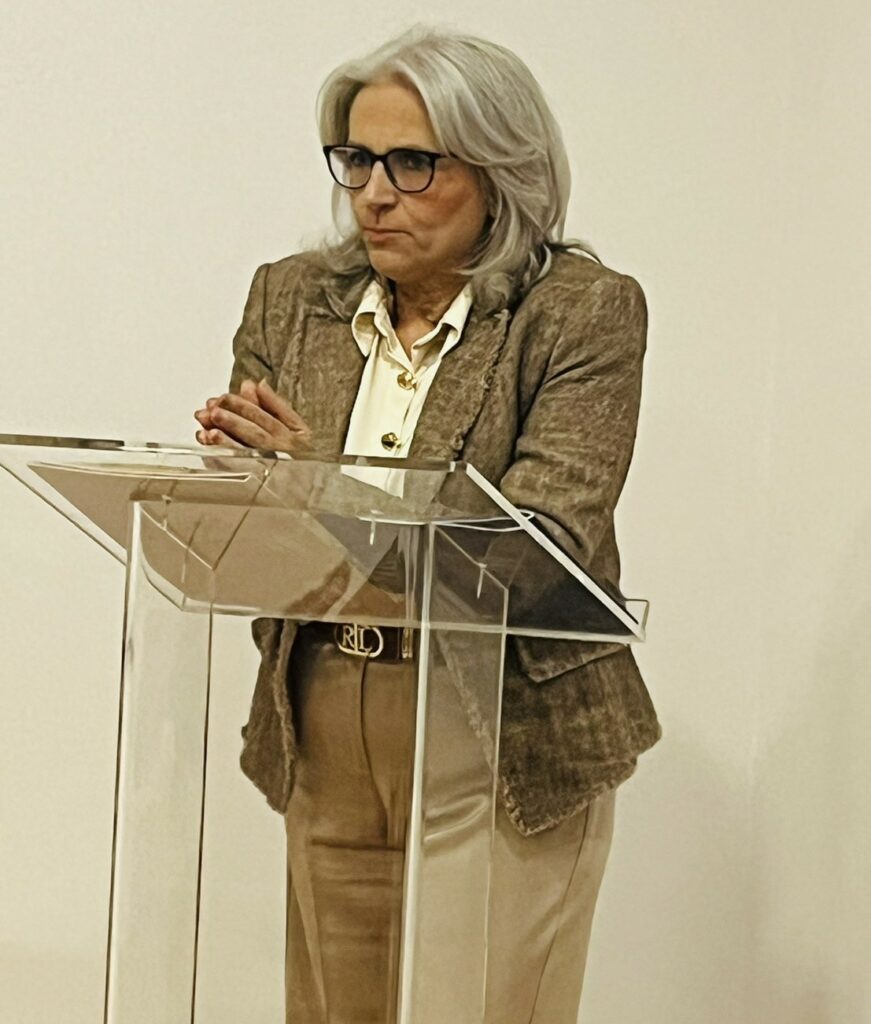
"In the new Multiannual Financial Framework (MFF) of the European Union 2028-2034, gender equality does not appear as a central, clear goal, but in general concepts of equality and non-discrimination, while there is no provision for a committed percentage of funding for actions related to women, care or combating gender-based violence" pointed out Dr. Christina Kaili, vice president of the Cyprus Women's Lobby and senior researcher at the Mediterranean Institute for Gender Studies. He was speaking on Thursday, March 19, 2026 at a public debate in Nicosia on the impact of the new MFF on gender equality.
The discussion was opened by Mary Pyrgos, coordinator of the Cyprus Gender Budgeting Platform and president of the FIMONOI foundation, who cited research by the European Gender Budgeting Network, according to which the EU Budget "does not touch on the issue of women's empowerment. A large amount of the budget – he said – will go to defense and security at the expense of health, education and welfare. We also do not know what amount of what is provided for defense, will be allocated for the safety of women and children, while it has become clear that half of the European Parliament does not want to vote for measures for equality."
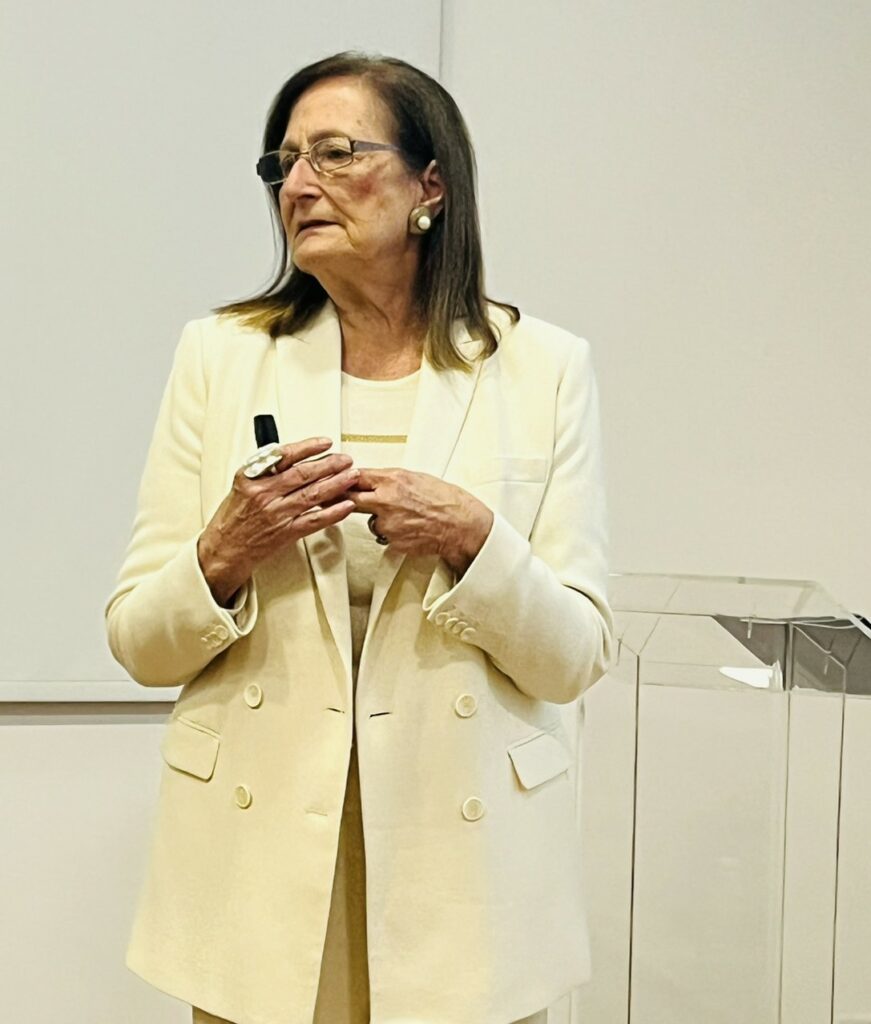
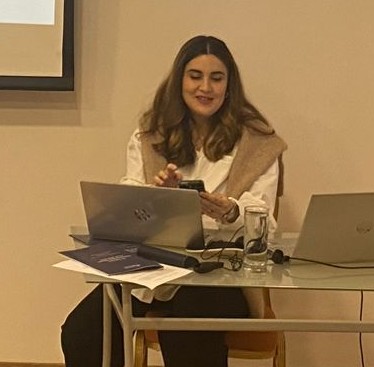
The event was also attended by the official of the Office of the Commissioner for Gender Equality, Niovi Georgiadis, who remarked that "the new MFF reflects the Union's priorities for a period of seven years, taking into account, among other things, geopolitical circumstances, and it is particularly important to ensure that gender equality remains a priority in the allocation of resources and especially in the funding programs of bodies and organizations. At the same time, it must be ensured that the gender perspective is integrated horizontally into the European Budget." The discussion was moderated by Miranda Stylianaki, communication and leadership trainer and member of the board of directors of the Federation of Associations of Women Entrepreneurs and Professionals (BPW Nicosia). We note that on 26-27 March 2026, an international conference on gender budgeting in the new European framework was held at the University of Cyprus under the auspices of the Cyprus Presidency of the Council of Europe.
Less equality, less accountability
"Gender equality is not only undermined when funds are cut, but also when it silently disappears from budgets, when it loses its visibility as a political priority and turns into a general reference to 'equal opportunities', without goals, indicators and accountability," Dr. Christina Kaili said, among other things, in her intervention. She added: "This is the risk emerging today, as the European Union formulates the new Multiannual Financial Framework (MFF) for the period after 2027 and introduces a new model for the implementation of funding through the National and Regional Partnership Plans (NRP). These Plans bring together in a single national plan, funding that until now was implemented through separate instruments (such as the Cohesion Policy). This means more flexibility for member states, but also fewer guarantees that social priorities (social welfare and welfare, health, education, care, etc.) that specifically have an impact on the lives of thousands of women will not be overshadowed by other political choices, such as defence, security or large infrastructure. Why does this directly concern Cyprus? Already in the current national funding framework, significant funds for care infrastructure (tens of millions of euros) were directed without clear gender equality indicators, without a gender impact assessment (i.e. whether or not the funds have benefited the lives of women/girls) and without meaningful consultation with civil society organizations. Nevertheless, the national plan received an excellent evaluation at European level. This fact is not just a technical failure, but reveals a deeper problem: When gender equality is not a clear priority, it becomes invisible and with it the responsibility of the state becomes invisible."
Clear integration
"The debate on European budgets is not a technocratic luxury, it is a discussion about whose lives are considered a priority" stressed Dr. Christina Kaili and continued: "We demand from the Republic of Cyprus and the Government a clear integration of gender equality as a horizontal goal in national plans, a commitment of a minimum percentage of funding for actions for gender equality, care and combating gender-based violence, Mandatory impact assessment on all key measures and investments with a gender analysis, transparency in the use of care funds and social infrastructure, with public reporting of results (public accountability of where financial resources are directed and clear, measurable indicators by gender and public access to data). We also demand institutionalized and meaningful participation of women's and civil society organizations in the design and monitoring of the new financial framework. We believe that the new European funding framework can be either a tool for social progress or a mechanism for deepening inequalities. As we head into the May 2026 parliamentary elections, the stakes for women are whether gender equality will be put into practice now, or marginalized for the next seven years? We are waiting for answers from both the competent ministers and the parliamentary candidates as well as the Cypriot MEPs. We also call on the Commissioner for Equality and the National Mechanism for Women's Rights to immediately advocate for the safeguarding of these rights."
The time for action is now, not 2027
As Dr. Kaili said, "the European Commission is pushing for the rapid completion of the relevant files. The European Parliament and the Council are already working intensively, particularly at committee level. The key options will lock in well before the end of 2027. This means that any intervention made later will be a posteriori and any silence that exists now will be translated into seven years of political reality. At the same time, at the European level, women's organizations and networks are preparing proposals for amendments, political texts, open letters and pressure actions calling for the strengthening of the funding of civil society, democratic participation and equality in the new European budget. More than 150 civil society organizations and networks, such as the European Women's Lobby and the European Gender Budgeting Network have already mobilized to submit specific proposals and interventions for the new MFF."
The persistent campaign bore fruit...
"As the FIMONOI Foundation, with the support of the Cyprus Gender Budget Platform, we have largely achieved our first goals, namely political engagement, awareness, the inclusion of gender budgeting in the national strategy and the adoption of the relevant legislation," said Mary Pyrgou. She added that "through a persistent campaign, we have contributed to securing and starting to implement the political commitment to integrate the gender dimension into all policies, actions, laws and regulations of the government. At the government level, trainings have begun and a team of officials is almost ready to take over the integration. These are very important and we are satisfied with the progress, even though the program is progressing quite slowly. As far as we know, the implementation has not started yet, and because the process is slow, the FIMONOI Foundation has started pilot projects to prepare municipalities to move forward with gender mainstreaming. We have already done three pilot programs in the municipalities of Nicosia and Larnaca and in the Audit Office and I hope that we will do more." Given that gender mainstreaming in government services is the responsibility of the government, Ms. Pyrgos commented that "the Commissioner for Gender Equality and the officials of her Office are working with great responsibility today to promote this reform, but its promotion may be stopped, if decided by the government, or even in the event of a change of government. That is why cooperation with non-governmental organizations is needed to constantly put pressure on the government so that the program does not stop."
Spending on gender budgeting is an investment
"We are worried about the future because the state budget for 2026 and 2027 does not provide for amounts for a gender budget as far as we know," said Mary Pyrgos. She added that "the FIMONOE foundation in a letter asked the Ministry of Finance to increase the amount to 1 million euros so that the organizations can undertake important projects and not just talk about these issues. The countries that have succeeded in implementing gender budgeting on a permanent basis are those that have engaged with civil society. After all, the question is not who will do what, but how we will be able to do more by working together. This is important in a society where the issue of equality is backwards, European leaders do not want to hear about equality issues, and the European Union budget ignores equality issues and does not include specific objectives, nor specific financial resources to empower women to participate equally in development. The European Union and governments must realise that a gender budget will help them implement their programmes and the services they offer best, it will help transparency, good governance, accountability and accountability and the fight against corruption. It will also help them understand that spending on gender budgeting is not a cost but an investment."
The gender mainstreaming bill
According to Niovi Georgiadis, "the European Commission since 2022 through the Technical Support Tool and the Gender Flagship project has supported Member States at central and decentralised level, providing technical support for the implementation of gender mainstreaming in national policies, including national budgets. Cyprus is among the member states participating in the European Gender Flagship project and at the same time is proceeding at the national level with the institutionalization of a process for the integration of the gender dimension in public policies, with a relevant bill having been taken to the plenary session of the Parliament for a vote (the bill was expected to be voted on last Thursday 26 of this year). The efforts made are methodical and targeted, so that Ministries and Deputy Ministries take into account the gender perspective when preparing their budget and when designing policies and measures."
The European Conference at the University of Cyprus
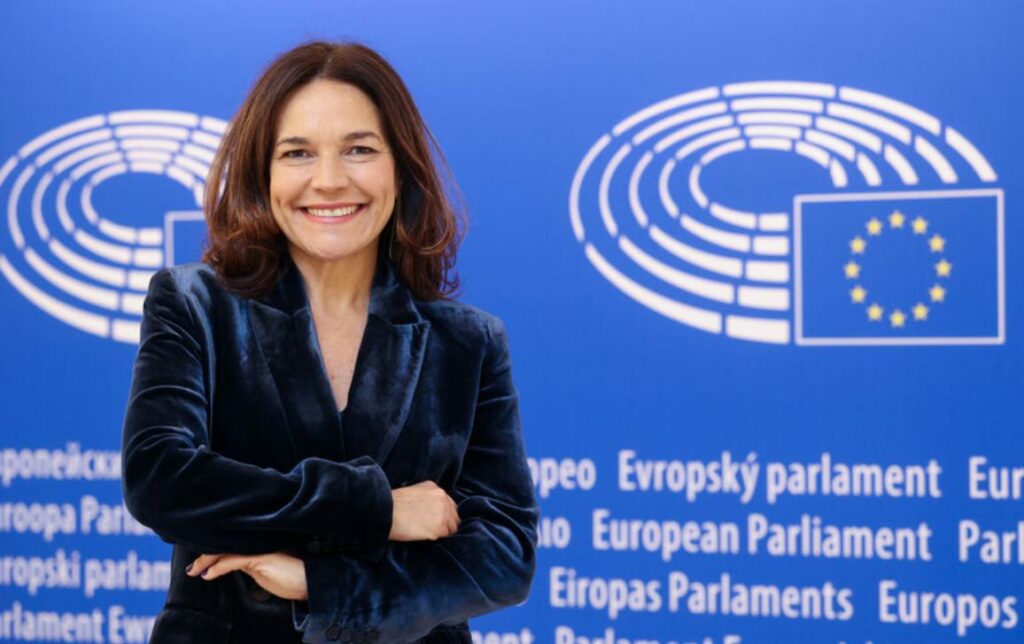
The international conference held on 26-27 March 2026 at the University of Cyprus on the Multiannual Financial Framework of the European Union 2028-2034 and its impact on gender equality, was organized by The European Gender Budgeting Network in collaboration with the Cyprus Gender Budgeting Platform and the FIMONOI Foundation. Cyprus was represented by Mary Pyrgou, while the Chair of the Committee on Women's Rights and Gender Equality in the European Parliament (FEMM), Spanish MEP Lina Galvez and about thirty (!) women experts on gender issues, academics and executives of European organizations from Greece, Austria, Finland, Sweden, Germany, Italy, participated in the two-day discussions and from neighbouring EU and candidate countries such as Ukraine, Albania, Kosovo and North Macedonia. The aim of the conference, according to the organizers, was to promote women's rights and legislative proposals to ensure the well-being of Europeans, as well as to strengthen inclusive cooperation with civil society and build partnerships and joint advocacy strategies.
