
THE CIVIL DEFENCE SUPERVISES, GUIDES AND CONTROLS THE SHELTERS - RESPONSIBILITY FOR MAINTENANCE AND OPERATION READINESS LIES WITH THE OWNERS AND MANAGEMENT COMMITTEES - Filenews 8/3 by Panagiotis Evripidou
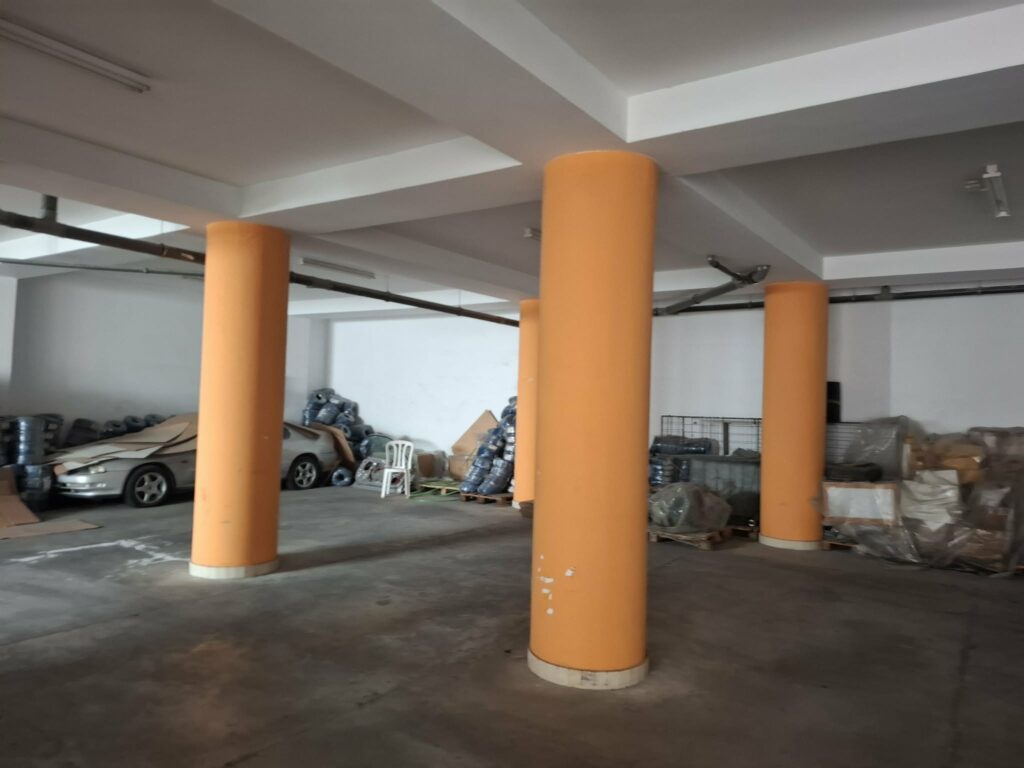
Civil Defense has been at the center of criticism in recent days, as the shelters that exist in our country for the protection of the population are in poor condition and are anything but shelters. Most of them are underground spaces that have another use. They are either parking lots, warehouses, garbage dumps. We asked the Civil Defense for clarifications on the checks if they are being carried out and how to ensure that the shelters have the necessary structures in order to ensure safe and comfortable living when needed.
Before the underground spaces are recognized as shelters, according to Mr. Liasidis, they are inspected by teams of technical/civil engineers sent at the request of the Civil Defense by the Ministry of the Interior. On the other hand, the Civil Defense periodically carries out inspections of the shelters, specifically once a year and on a sample basis, as it is impossible to inspect everything within 12 months.
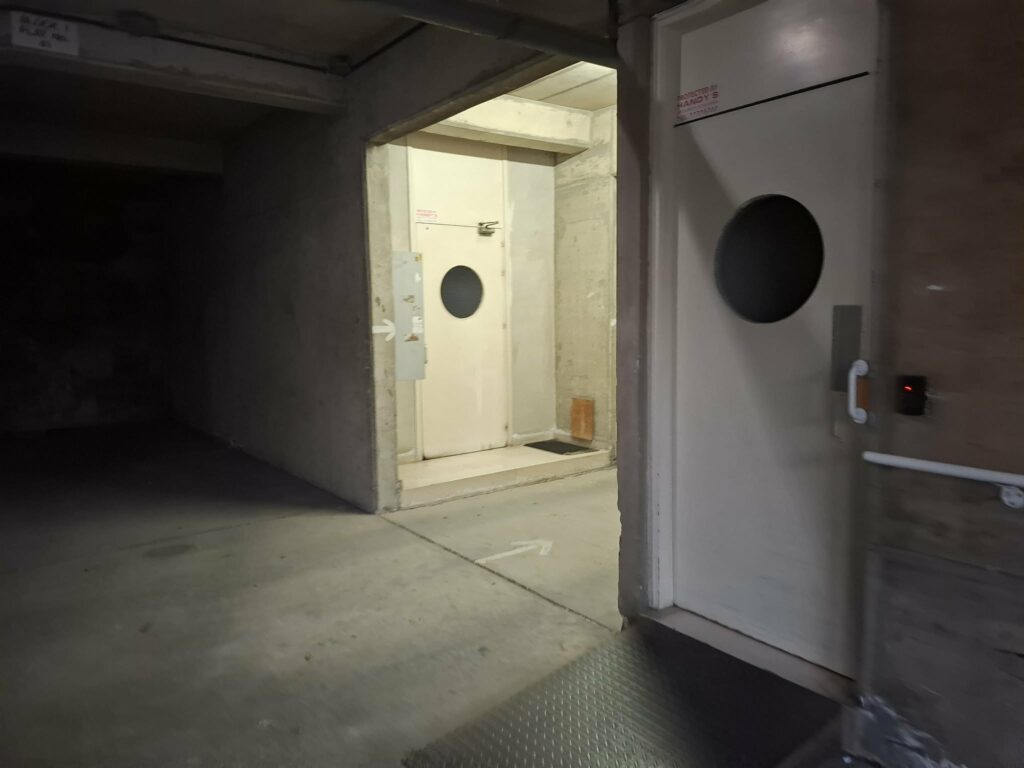
Asked who is responsible for the management of the shelters, Mr. Liasidis explained to "F" that the responsibility for the maintenance and operational readiness of the Civil Defence shelters in Cyprus lies with the owners or managers of the buildings in which the shelters are located, while the Civil Defence has the role of supervision, guidance and control.
"The owners or the management committees retain the right to use the areas of the shelters as they wish, but must keep the spaces clean, accessible and in a condition that allows their immediate use if necessary. They have a time limit of 24 hours from the moment they will be informed", clarified the spokesperson of the Civil Defense.
In fact, regarding the statics of the buildings used as shelters and the question of whether the old complexes are sufficient to have shelters, the spokesperson of the Civil Defense pointed out to "F" the fact that those buildings that have been erected after the implementation of the anti-seismic code in 1994 are sufficient.
Regarding the information provided by both the Commander of Civil Defence, Maria Papa, and the Minister of Interior, Konstantinos Ioannou, on the fact that the shelters available to the Civil Defence cover about 45% of the total population, Mr. Liasidis explained to us the reasons for the low coverage rate.
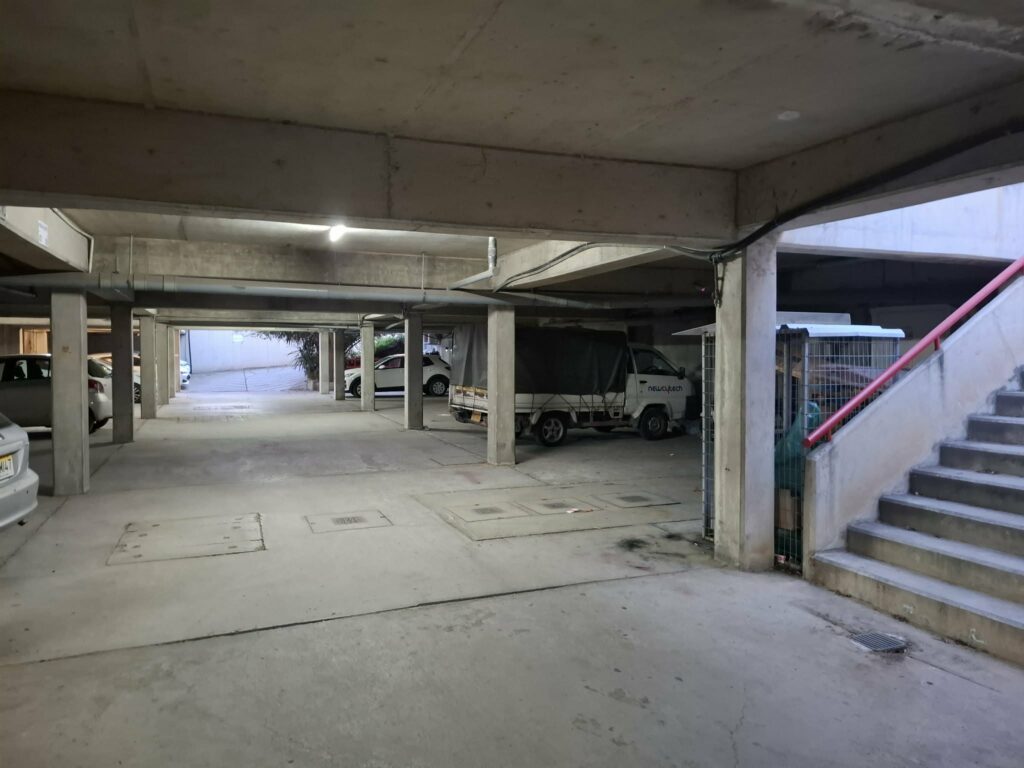
Specifically, according to information from the spokesperson of the Civil Defense, finding new shelters with underground spaces is extremely difficult as the new buildings do not have underground spaces, while in addition, the owners of existing basements are asked to declare them voluntarily without a monetary fee.
The Civil Defense has sent in the last 24 hours basic principles that citizens are obliged to adhere to. Specifically:
Given the ongoing unstable situation in the area and for the purposes of prevention and proper preparation of the population, it is recommended that citizens be vigilant, so that in case it becomes necessary to take the following self-protection measures.
Specifically, in case of receiving a text message on their mobile phones, citizens are asked to remain calm and follow the following instructions:
1 In case there is a basement in their home, in a neighbouring building or in the area where they are, they should head immediately to it on foot and calmly.
2 If they are indoors without a basement, they should remain inside the building, away from doors, windows and windows.
3 If they are outdoors, move to the nearest indoor area.
4 In infrastructures such as schools, hospitals and stadiums, the prescribed protocol of actions is applied by the competent personnel. Citizens are asked to avoid moving by vehicle to these areas.
5 Until further instructions are given by the competent authorities, citizens are asked to remain underground or indoors and avoid moving outdoors, either on foot or by vehicle.
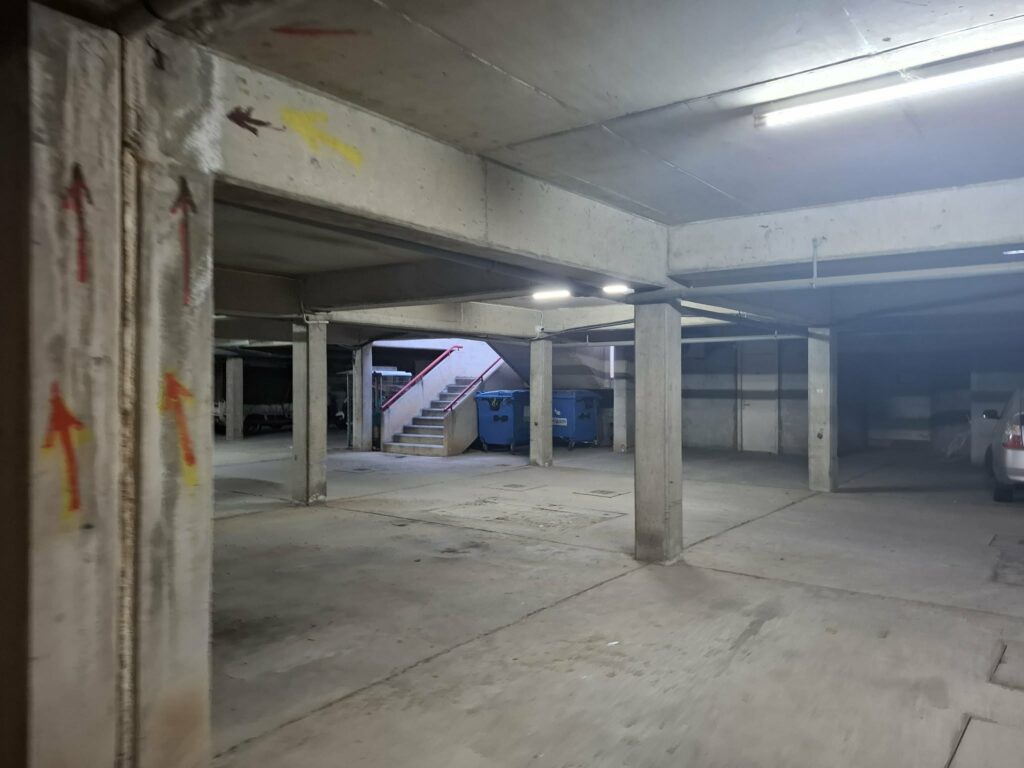
The history of the shelters
On its website, the Civil Defense states that the creation of shelters/protection areas is a basic measure to protect civilians for a short period of time in the event of hostilities.
According to the Civil Defense, the program for the creation of shelters began in 1999, while before the state there were then two main options:
◗ The first concerned the creation of underground shelters in large open spaces, which would be expropriated for this purpose.
◗ The second concerned the creation of shelters in existing underground spaces.
After studying the two options, the first was ruled out, due to the huge financial cost, reports the Civil Defense. Therefore, the Republic of Cyprus came up with the second option, i.e. the creation of shelters in existing underground spaces, in a massive way.
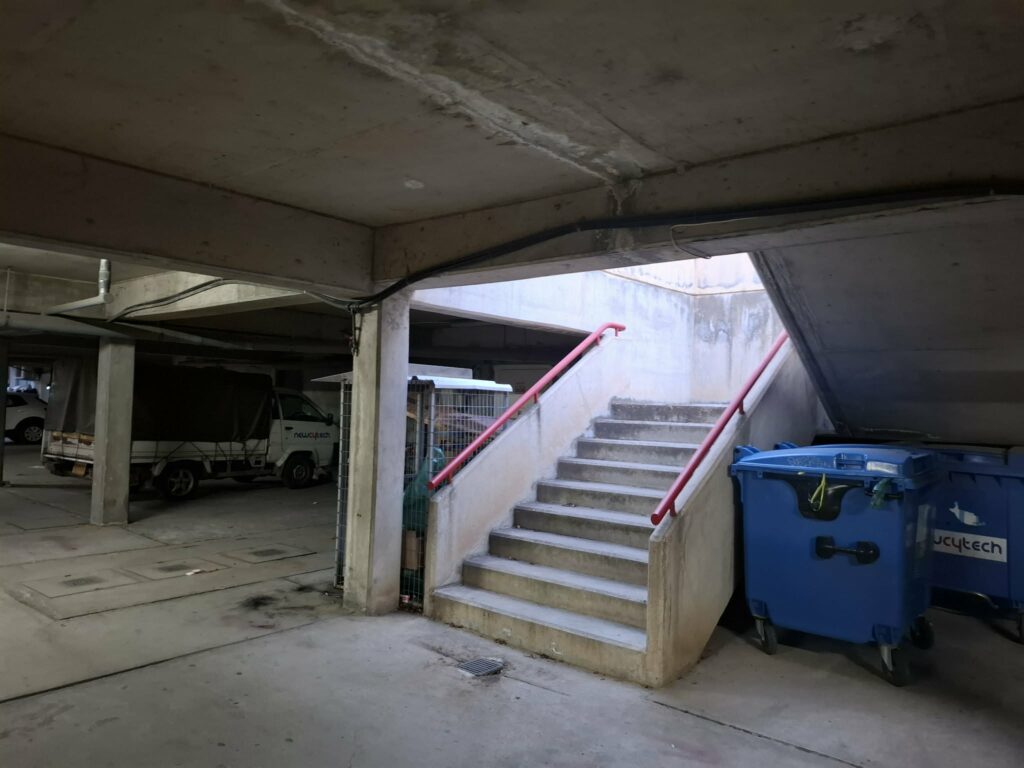
Inspection is of the utmost need so that it is in functional condition
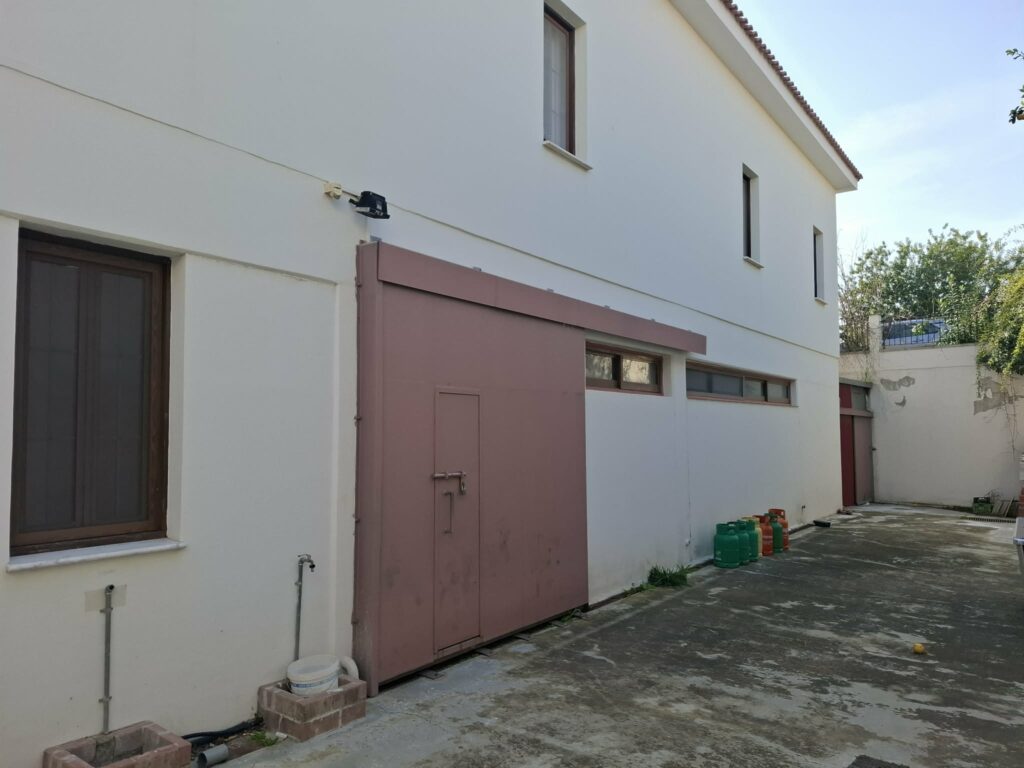
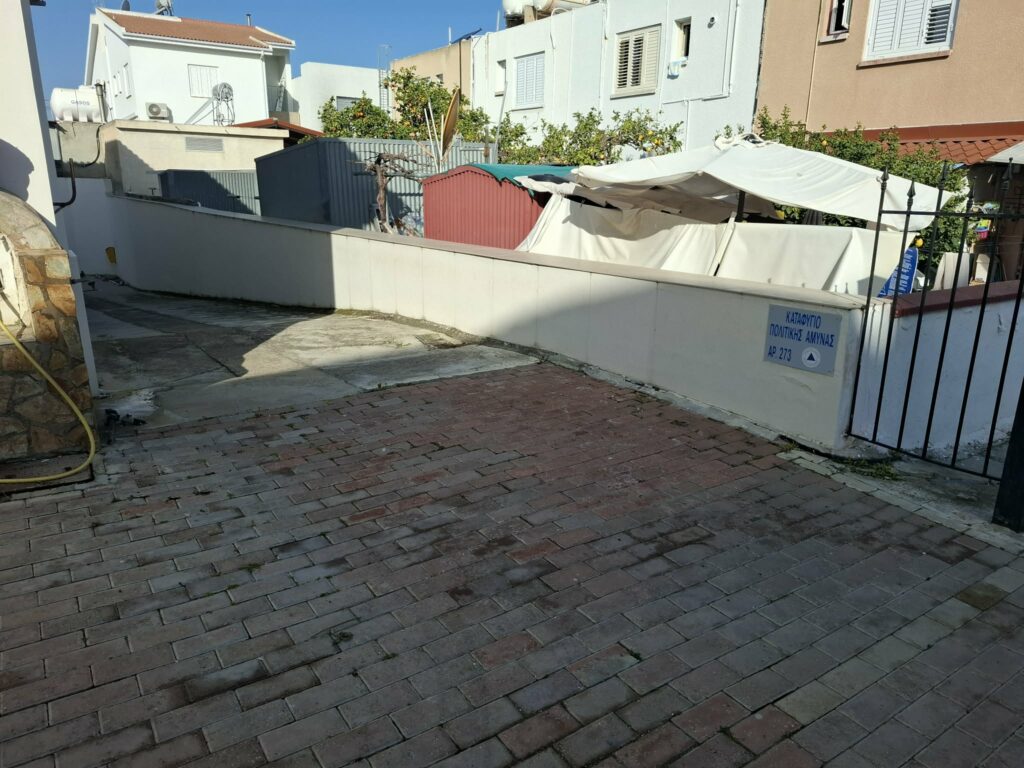
The conflagration in the Middle East region and the drone attack on the British Bases sounded the alarm to the Cypriot Government and the state services in order to take all the necessary precautionary measures for the safety of the inhabitants of the island. In the public sphere of discussion, as was logical, the issue of shelters and whether they can respond in the event of a generalized crisis has returned, however, an issue arises regarding the issue of infrastructure, capacity and stability. Using the "SafeCY" application, we visited shelters in various areas of Nicosia in order to verify whether they have the necessary facilities to accommodate the civilian population of the island. Some of them, due to the fact that they belong to private individuals, are used as store warehouses, while in cases of negligence they are inevitably turned into a "garbage dump". In fact, although the map of the application listed specific shelters in the area where we were, however, they were not located, either because they do not exist, or because there is no relevant sign that recognizes the specific building as a shelter.
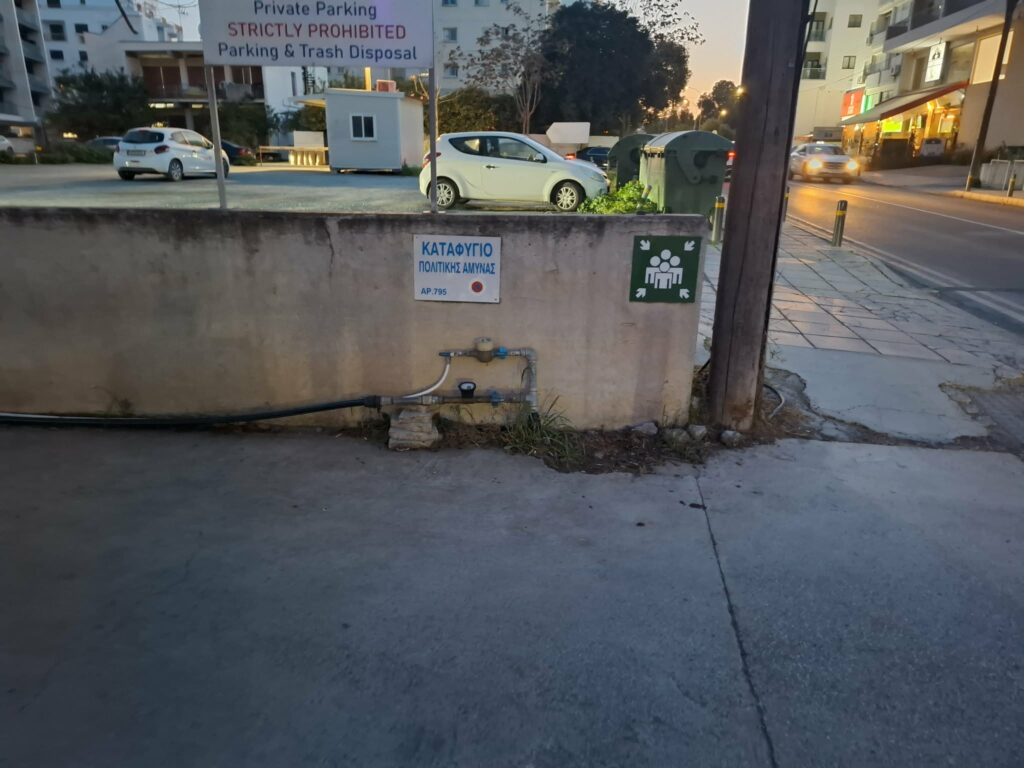
ETEK: Ensuring the readiness of Civil Defence shelters is of the utmost importance
"F" addressed the President of the Scientific and Technical Chamber of Cyprus, Constantinos Constantis, regarding the technical specifications that a building must have in order to be used as a shelter. Mr. Constantis initially explained that the purpose of the shelters is the general protection of citizens and their operation as places of short stay in cases of emergency, such as hostilities, since they provide a reduction in exposure to hazards such as fragments.
It is of utmost importance, according to the President of ETEK, that these spaces are in a functional condition to receive people in case of need. Among other things, safe access (entry and exit) should be provided for all persons, including persons with disabilities, adequate lighting and adequate natural ventilation.
It is also understood that it should be ensured that shelters are not used for other uses (e.g. as warehouses) so that there is sufficient space to use them for their intended purpose, in case of an emergency.
The President of ETEK also pointed out the instructions of the Civil Defense to the citizens in case of emergency, namely:
◗ Locating the nearest shelter through the "SafeCY" app, otherwise,
◗ Communication with the Civil Defense Crisis Control Center
◗ In case there is no nearby shelter, it is recommended to stay indoors with a solid construction
◗ If someone is outdoors, instructions are to fall to the ground and, if there is a trench or ditch nearby, to seek temporary protection there.
Finally, the President of ETEK emphasizes the need for periodic inspection of shelters, in order to ensure that the spaces are ready to receive citizens in case of emergency, in the context mentioned above.
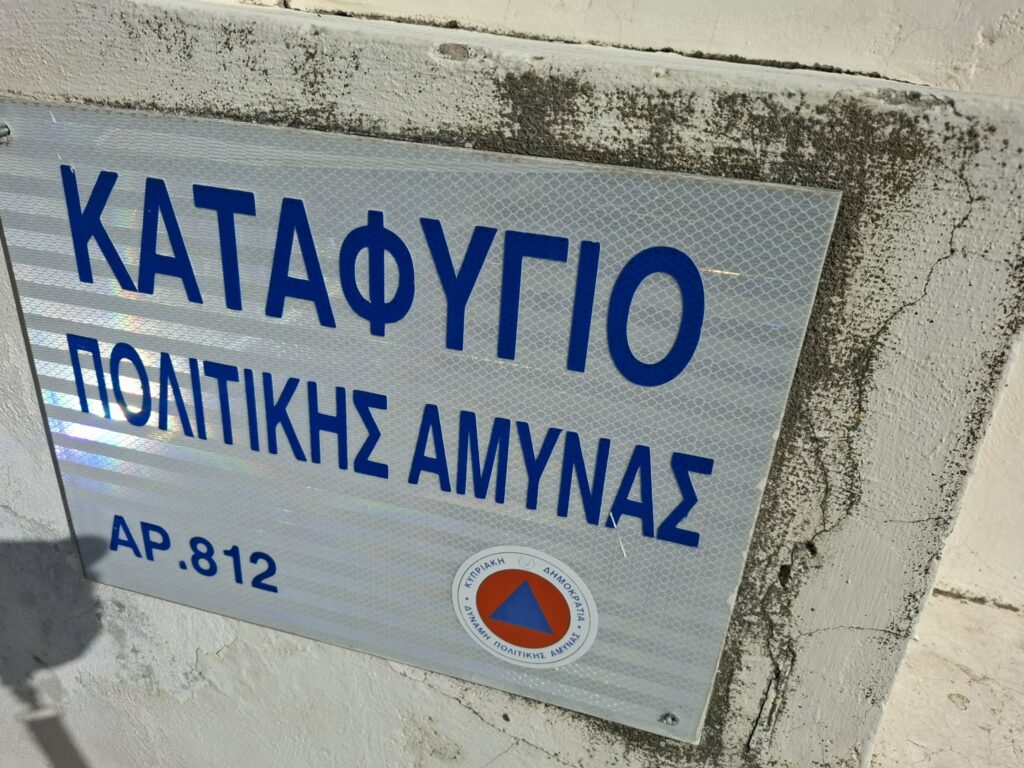
When is a shelter considered safe?
Speaking to "F", Pierantonios Papazoglou, Senior Research Associate of the European University Cyprus on Civil Protection and Security of First Correspondents and Head of Research & Strategy of the CERIDES Center of the EUC, set his own opinion and knowledge as a "Civil Defense Volunteer", regarding the specifications that a safe haven should have.
Explaining the key components, he first pointed out that a shelter "is not just a safe space, or a space a little safer/enhanced than the spaces we move/live in our daily lives".
However, according to Mr. Papazoglou, everything depends on what we define as the "Security Level", and which in turn depends on what we have defined/assessed as the "Type of Threat and the Level of this Threat".
Generally speaking, according to Mr. Papazoglou, a safe haven is a technically tested, organized, with adequate basic means of survival and integrated into the overall Civil Protection plan, in which the "Foresight and Preparedness of the Population itself" is of great importance (and component).
The Senior Research Associate of the European University Cyprus on Civil Protection and First Correspondent Security, stressed that the type of threat also depends on this issue, however, "in general, we can say that the "components" of the "Security" of a "Shelter" generally have to do with:
A. Structural/Structural/Technical Competence
B. Autonomy/ Support Function – "Logistics" / Logistics
C. "Administrative"/ Management Organization
Obviously, each of the above has different components, and in some cases a type of threat."
Analyzing in depth the above "Security" components:
A. Structural / Structural / Technical Competence:
◗ Structural adequacy of construction at the intended threat load
◗ Adequate but also appropriate Ventilation (suitable on a case-by-case basis... because let's not forget, for example, threats to the U.S.
◗ Fire Resistance and Fire Resistance
◗ Water Tightness and Drainage Ability
◗ Access with I/O Control
B. Autonomy/ Support Function – "Logistics" / Logistics
1. Provisions for a minimum of 3 days to 1 week (depending on the "doctrine" of Civil Defense, with type of "crisis"/threat, etc.)
2. Quantities of drinking water corresponding to the appropriate capacity of the Refuge, and/or the possibility of providing drinking water independent of the "central network". A rough formula is 3 liters per person per day... which of course depends on age, physical condition, health condition, but in any case a reasonable rationing is the above)
3. Quantities of long-life basic foodstuffs corresponding to an appropriate shelter capacity. Obviously we don't talk about how we have learned to eat every day... but dry food, canned food, cookies, such things, or at best MREs if and when there is a possibility/specification etc...
4. Basic electricity and lighting infrastructure, but independent of the "core network".
5. Basic basic hygiene infrastructure (which should not burden living, increase difficulty/discomfort...)
6. Telecommunication and/or tele-information media
C. "Administrative"
Management Organization
1. Who are the owners and who is responsible for the space
2. What are their obligations to maintain/maintain the space in sufficient and appropriate "readiness"?
3. Who pays for this standby maintenance (either monetarily, or in resources, etc.)
4. What is the program and process of "maintenance" and replenishment of material means... e.g. food, no matter how long-lasting it is, there will come a time when it will have to be replaced in time... so that you don't find yourself in a shelter with expired... K.O.K. etc
5. Capacity Recording/Update
6. Clear (and Simple) Entry/Exit Process
7. Plan Online and any Offline Communication with Authorities
Mr. Papazoglou wanted to point out that what he explains stems from his general scientific knowledge/experience with Civil Protection and Security Culture issues, however in order for someone to delve deeper into the issue, but also to have proper scientific documentation, one must consult the Experts for each category. That is, for official information, a citizen must apply to the General Command of Civil Defense.
