Filenews 1 February 2026 - by Angelos P Kassianou

Vaping and other new nicotine products have become increasingly integrated into the daily lives of adolescents, both in Cyprus and across Europe. Among young people, these products are often considered safer alternatives to traditional tobacco and, in many cases, have partially replaced the use of conventional cigarettes. However, a growing body of evidence suggests that this perception is misleading: while usage patterns may vary, nicotine exposure and the risk of dependence remain significant, raising significant concerns for adolescent health and development.
The evidence is revealing. At European level, traditional smoking among adolescents is declining, but at the same time vaping is increasing at an alarming rate. According to a recent European school survey, about one in five 16-year-olds has used e-cigarettes in the last month, while the percentage of students who vape has increased from 14% to 22% in just five years.
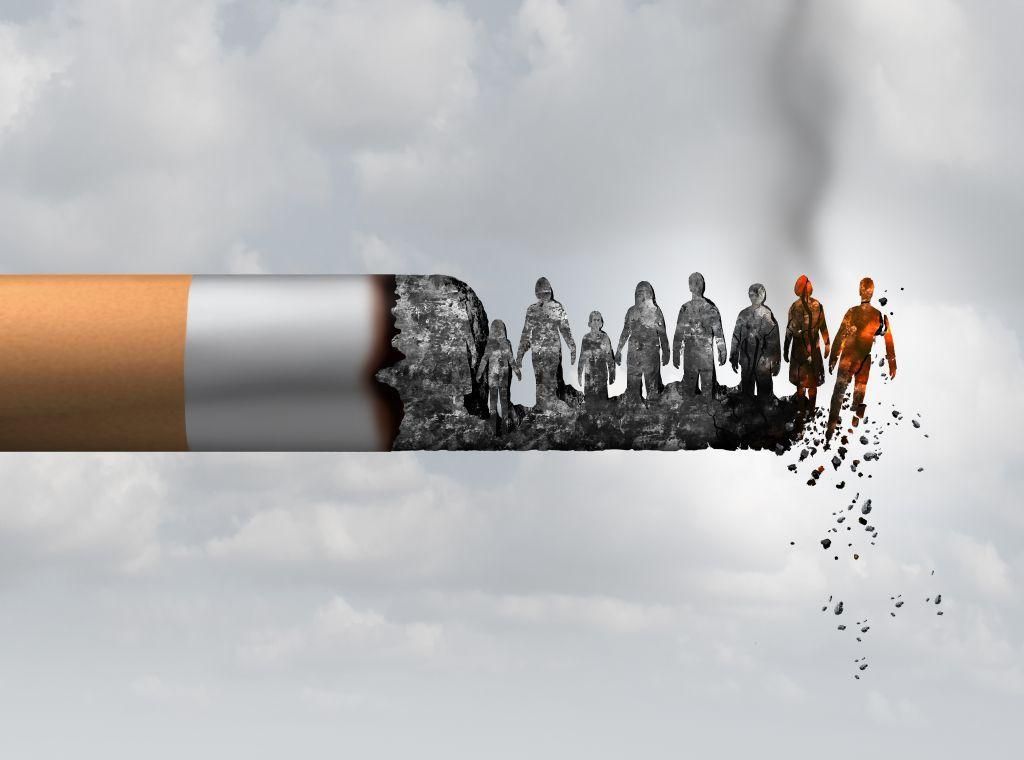
Cyprus not only follows this trend, but in some cases plays a leading role. Data from the study by the European School Research Programme on Alcohol and Other Drugs (ESPAD), as well as national reports, rank Cypriot teenagers among the most frequent users of e-cigarettes in Europe, with about one in ten 16-year-olds vaping on a daily basis.
This is mainly due to the fact that vaping products are presented as "less harmful" and more attractive than traditional cigarettes, are available in colourful and sweet packaging that is clearly aimed at minors and, at the same time, are presented as smoking cessation tools, especially for adults.
This picture is misleading and particularly worrying. Vaping is an equally harmful habit, as it can affect the developing brain, especially the areas related to attention, impulse control and mood. At the same time, it is associated with an increased risk of future smoking, dual use of traditional and electronic cigarettes, but also with a close relationship with other addictive substances.
The truth is that we still don't know all the long-term consequences for the lungs and cardiovascular system of young people. What we know, however, is enough to cause concern and make it necessary to take measures.
At the same time, the tobacco and vaping industry appears with a new, "refined" façade. It presents itself as "sensitized" and as "part of the solution", using social media, influencers and lifestyle images instead of direct ads, thus trying to convince that it offers a modern and supposedly cleaner alternative form of smoking. In practice, however, a new generation of addicted nicotine users is being created. This is not a strategy for the protection of public health, but a purely business model, with the sole aim of profit at the expense of the health of young people.
We often hear that proper information and awareness about the dangers of vaping are enough to deter young people from adopting this harmful habit. The reality, however, is much more complex. Knowledge alone rarely changes behaviours, especially when addiction, social pressure, and aggressive marketing coexist.
What teens really need are life skills, meaningful support, and real alternatives. Ways of managing stress, resilience in the face of peer pressure, relationships of trust and creative, healthy ways of expression, such as sports, arts, music.

The Icelandic Prevention Model clearly shows the way. Through systematic investment in activities, strengthening family-school-community ties and regular monitoring of risk and protection factors, Iceland has achieved a spectacular reduction in substance use among adolescents. Similar approaches in other European countries confirm that when the environment around young people changes, their choices also change. On the contrary, it is difficult to change individuals on their own in a "problematic" environment.
Cyprus has already taken regulatory measures for e-cigarettes, such as the introduction of age limits and restrictions on public use. The available data, however, clearly show that this is not enough. A coordinated and long-term strategy is required, involving schools, families, local authorities, health services and the State.
In this context, of particular importance is the new European project RELIEF, which is funded by the EU4Health program and officially started its work from Cyprus in January 2026, with scientific coordination by the Cyprus University of Technology (CUT) and coordinated by the Center for Social Innovation (CSI). The aim of the project is to develop and test evidence-based prevention interventions to reduce the use of tobacco, e-cigarettes and other emerging nicotine products among adolescents, in real school and community settings, with the participation of not only students, but also parents and teachers.
Vaping among teenagers cannot be treated as a temporary trend that will deflate on its own. It is a crucial test of whether, as a society and the State, we take seriously our responsibility towards young people, not only with warnings and communication strategies but with meaningful actions that shape a healthy environment in which they move and enhance their cognitive ability to make healthier choices.
* Lecturer in Health Psychology, Cyprus University of Technology (CUT)
