Filenews 25 January 2026 - by Angelos Nikolaou

With a holistic strategic plan that focuses on climate resilience, biodiversity protection and social equity, the Department of Forests is entering 2026 with the aim of shielding the natural wealth of Cyprus. Through innovative actions, such as the radical reclassification of forest ecosystems and the pioneering project "Inclusive Routes", the service upgrades its operational and social role, responding to the modern challenges of the climate crisis and fires with scientific documentation and institutional competence.
The Department of Forests is one of the most critical institutional pillars for the protection of the natural environment of the place. Its mission is not limited to the management of forest areas in the strict sense, but extends to a complex network of responsibilities that are directly linked to ecological balance, the safety of citizens, resilience to climate change and the quality of life of society. 2026 emerges as a year of consolidation and strengthening of strategic choices that have already been set, but also as a year of maturation of new, particularly demanding interventions.
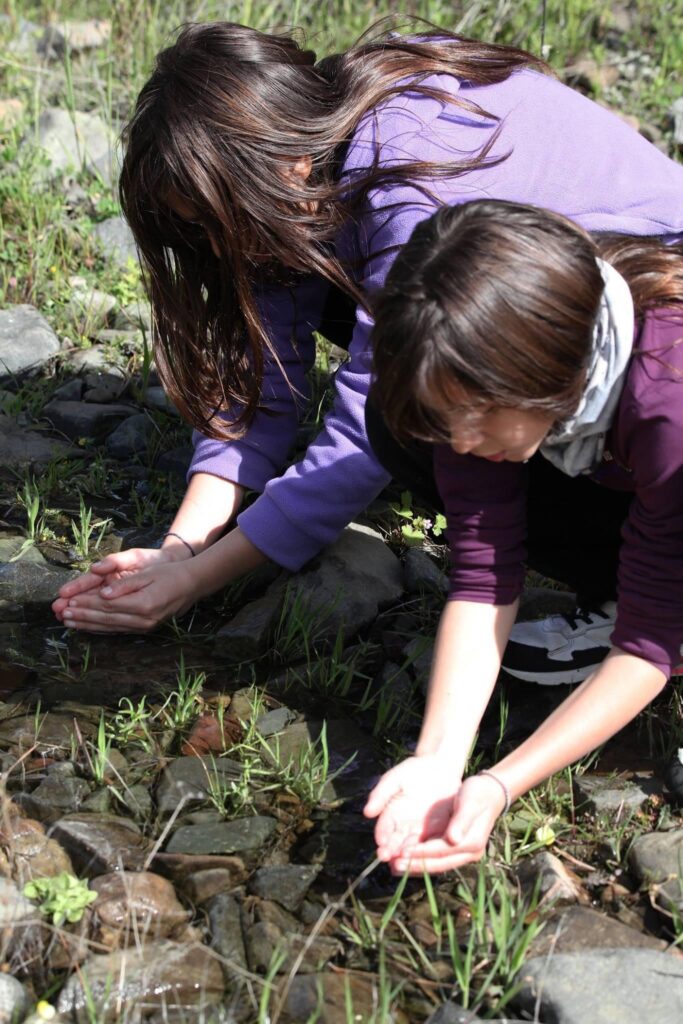
Three of the most important actions identified for 2026 are enhancing the biodiversity of forests, their reclassification, as well as the Interreg project "Inclusive Routes": Bridging nature with social inclusion. In detail, the action plan provides:
Enhancing the biodiversity of Cypriot forests
The protection and enhancement of biodiversity is a central axis of forestry policy. Cypriot forests are a refuge for a significant number of endemic, rare and protected species, which are directly dependent on the structure and function of ecosystems. Conserving this biodiversity is not a static process, but a dynamic endeavour that requires constant monitoring, adaptation, and scientific documentation.
Creation and management of protected areas: The establishment of protected areas of high ecological value is the result of complex assessments, strengthening the existing management system and taking into account, among other things, the Forest Policy and the Forest Law, as well as the European directives and obligations, as they arise from the operation of the NATURA 2000 network. The Department of Forests uses data from field recordings, scientific studies and long-term monitoring, in order to identify areas of increased ecological importance. The challenge lies not only in their characterization, but above all in their continuous and effective management, so as to ensure the protection of species without ignoring other legitimate activities.
The management of these areas requires specialized personnel, clear protocols and constant coordination with other agencies and agencies. The Department of Forests proves that it has both the scientific knowledge and the institutional maturity to respond to this demanding mission.
Enrichment and restoration of forest ecosystems: Ecosystem enrichment actions with native plant species are designed and implemented based on ecological criteria and not piecemeal. The choice of species, the way they are planted and their spatial distribution are determined by factors such as altitude, microclimate, soil conditions and existing vegetation. The goal is not just to increase vegetation cover, but to enhance the functionality and resilience of ecosystems. At the same time, emphasis is placed on the restoration of areas that have been degraded by fires or other pressures.
Education, information and participation of society: The protection of biodiversity cannot be achieved without the support and participation of society. The Department of Forests develops and implements educational programs aimed at schools, local communities and the general public, with the aim of cultivating environmental awareness and strengthening social responsibility.
This training is not limited to theoretical information, but is linked to practical examples and field actions, highlighting the role that every citizen can play in the protection of forests.
Recording, monitoring and scientific documentation: The systematic recording and monitoring of flora and fauna is a key tool for informed decision-making. Through specialized protocols, the Department of Forests collects data that allow the assessment of population trends and the early detection of threats.
These data are used both for national planning and for the fulfillment of international obligations of Cyprus, which highlights the interconnection of daily forest management with broader policies and strategies.
Targeted species conservation and management actions: Particular emphasis is placed on targeted conservation actions, tailored to the ecological needs of specific species. The creation of artificial shelters for birds and bats, the formation of openings in dense forests to enhance the biodiversity of species such as moufflon, birds of prey, small birds, reptiles and insects, as well as rare plant species of the Cypriot flora as well as the provision and maintenance of water resources, are interventions of high ecological value.
Combating invasive alien species: Dealing with invasive alien species is one of the most complex and demanding challenges in modern forest management. These species, when established and spread uncontrollably, can alter the structure and function of ecosystems, displace native species and cause long-term, often irreversible impacts on biodiversity.
The Department of Forests addresses this issue in a systematic and scientifically documented way. It has already developed management protocols for the most important invasive species, which are based on international best practices and adapted to the particular conditions of Cyprus. These protocols include stages of early detection, risk assessment, selection of appropriate control methods and continuous monitoring of the effectiveness of the measures.
Particular importance is given to prevention, as early treatment is often more effective and less expensive than restoration after the spread of a species. At the same time, where necessary, targeted control interventions are implemented, with respect for the environment and with the aim of reducing the impact on native species.
The management of invasive species requires a high level of coordination, specialized human resources and continuous cooperation with other services, scientific bodies and local communities.
New classification of forests
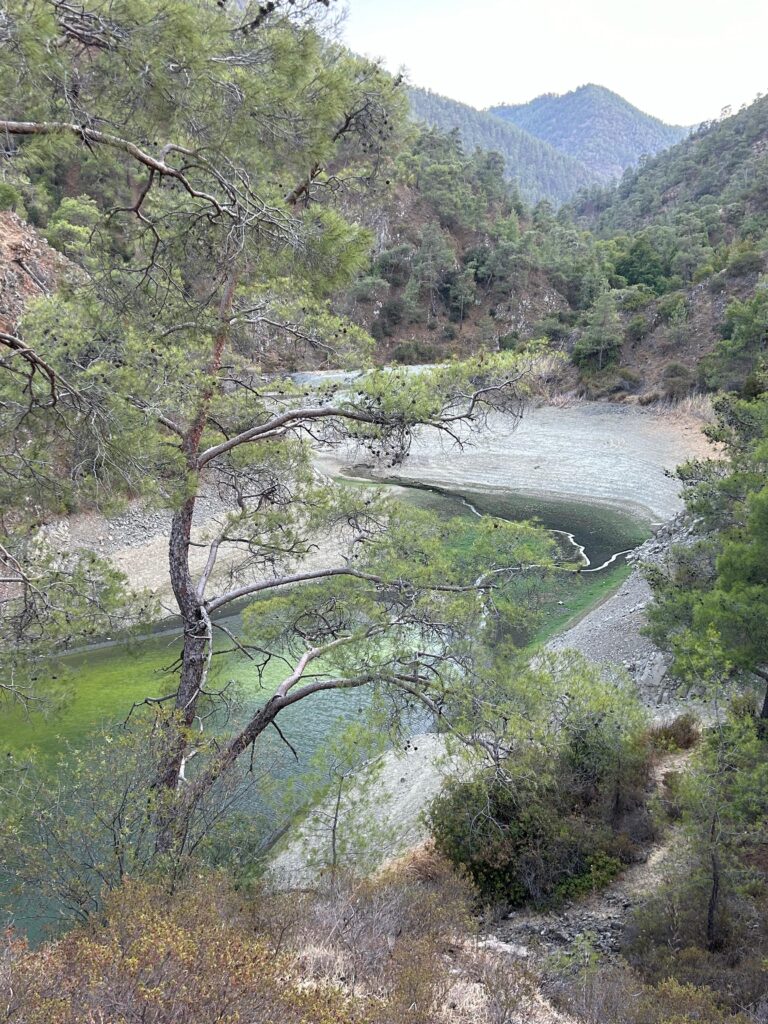
The new classification of Cypriot forests is one of the most complex undertakings of recent years. This is not just an update of maps, but a comprehensive reapproach to the way we perceive and manage forest ecosystems. In an environment rapidly changing due to climate change, wildfires and anthropogenic pressures, the need for a reliable, functional and scientifically documented classification system is imperative.
The methodology is based on a combination of ecological, biogeographical and structural criteria. The composition of the plant species, the age structure of the clusters, the altitude, the climatic conditions, the soil characteristics, as well as the historical development of each area are taken into account. Through this process, Cypriot forests are grouped into distinct categories with common characteristics and, above all, with similar management needs.
The importance of the classification lies in providing a practical decision-making tool, allowing the Department to implement targeted measures rather than horizontal interventions. This avoids horizontal, generalised interventions and adopts a 'case-by-case' approach, which enhances the effectiveness and sustainability of the measures.
Particular emphasis is placed on the connection between classification and fire protection. The structure of the fuel, the density and composition of the vegetation significantly differentiate the behaviour of the fire. Through the new classification, it is possible to identify zones of different degrees of risk, which allows for better design of fire zones, targeted vegetation management and more effective allocation of surveillance and intervention resources.
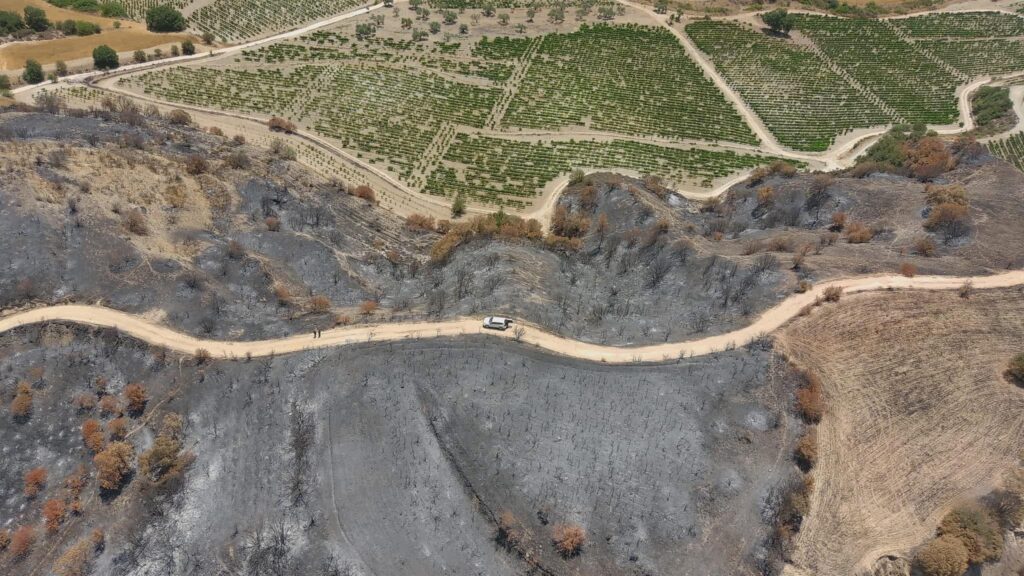
At the same time, the taxonomy integrates the biodiversity dimension, facilitating the identification of areas of high ecological value, sensitive habitats and areas that require a specific management approach. In this way, the Department of Forests ensures that nature protection is not treated piecemeal, but as an integral part of the overall planning.
Finally, the new classification also recognizes the social role of forests. Recreation, environmental education, landscape aesthetics, and cultural value are all integrated into the decision-making process. The result is a modern, flexible and scientifically documented framework, which strengthens the institutional competence of the Department of Forests and lays the foundations for a resilient long-term forest policy.
Bridging nature with social inclusion
The involvement of the Department of Forests in the Interreg project "Inclusive Routes" reflects a modern approach, where environmental protection is combined with equal access. The project is implemented under the Interreg VI-A Greece-Cyprus Cooperation Programme 2021-2027 and aims to create and improve accessible infrastructure at points of natural and cultural interest. Partners of the project, in addition to the Department of Forests, are the Cyprus Paraplegic Organization (OPAK), the Municipality of Syros-Ermoupolis, the Limassol District Development Agency (ANELEM) and the Lesvos Local Development Agency (ETAL).
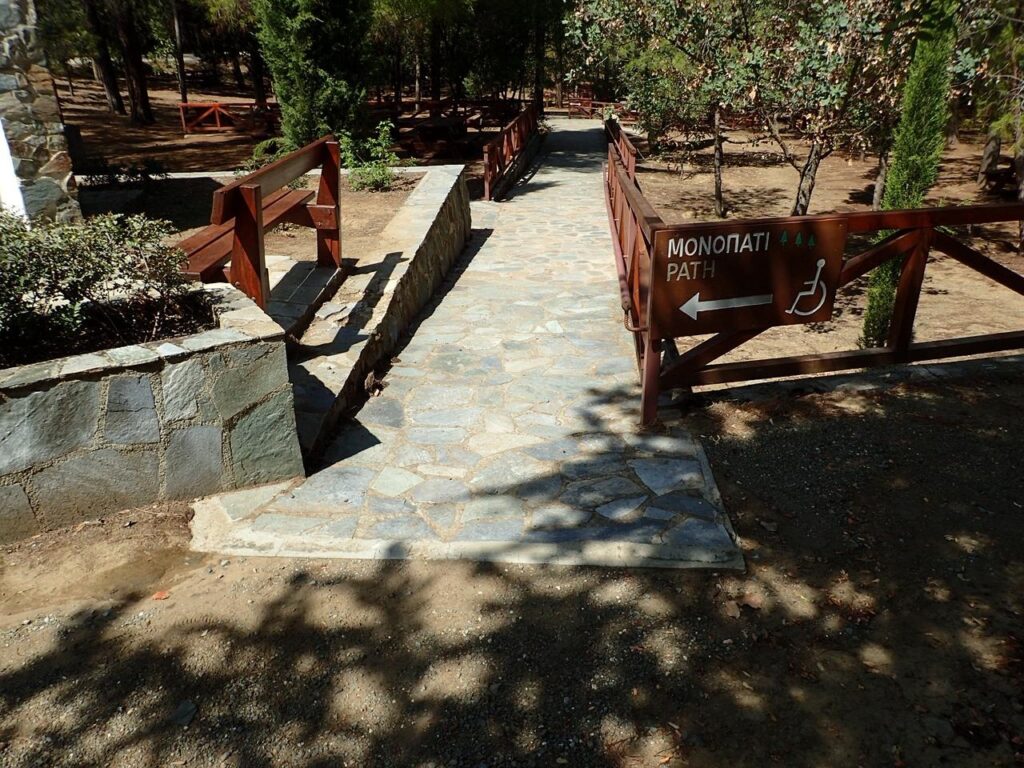
For the Department of Forests, this project is demanding, as it is called upon to balance upgrading accessibility with maintaining ecological integrity. Each intervention is carefully planned to minimize the environmental footprint and ensure the long-term viability of the spaces
The project started in April 2025 and ends in April 2027. In December 2025, the Contract for the provision of Consulting Designer Services was signed for the preparation of construction studies and supervision of construction works in parks and forest areas managed by the Department of Forests. These studies concern both technical accessibility solutions and their integration into the natural landscape.
In the first half of 2026, the designers' proposals for constructions in parks and forest areas are expected, which will be evaluated with strict environmental and operational criteria. This process requires a high level of know-how and administrative competence, as the success and acceptance of interventions depends on the quality of the evaluation.
The project "Inclusive Routes" highlights the role of the Department of Forests as an institution that is not limited to the traditional concept of protection, but proceeds with innovative actions that enhance social cohesion and quality of life, proving that nature protection and human accessibility can coexist with respect and balance.
Strategic vision for the future
The actions for 2026 are not fragmented interventions, but part of a long-term vision. A vision that recognizes that Cyprus' forest ecosystems are at a critical crossroads, where the impacts of climate change, the increasing frequency and intensity of fires, the pressure from human activity, and societal expectations make forest management more challenging than ever.
The Department of Forests is called upon to function simultaneously as a scientific body, an operational mechanism and an institutional guarantor of the public interest. This complexity is not addressed with simple solutions, but with a combination of knowledge, experience, adaptability and responsibility. Investing in systematic monitoring, scientific documentation and evaluation of interventions creates the foundations for a management that is not limited to addressing problems, but aims at prevention and resilience.
A central element of the way forward is the further integration of climate change adaptation into all aspects of forest policy. The new classification of forests, biodiversity enhancement actions and targeted fuel management are tools that allow the Department of Forests to adapt its practices to a changing climate, enhancing the natural resilience of ecosystems.
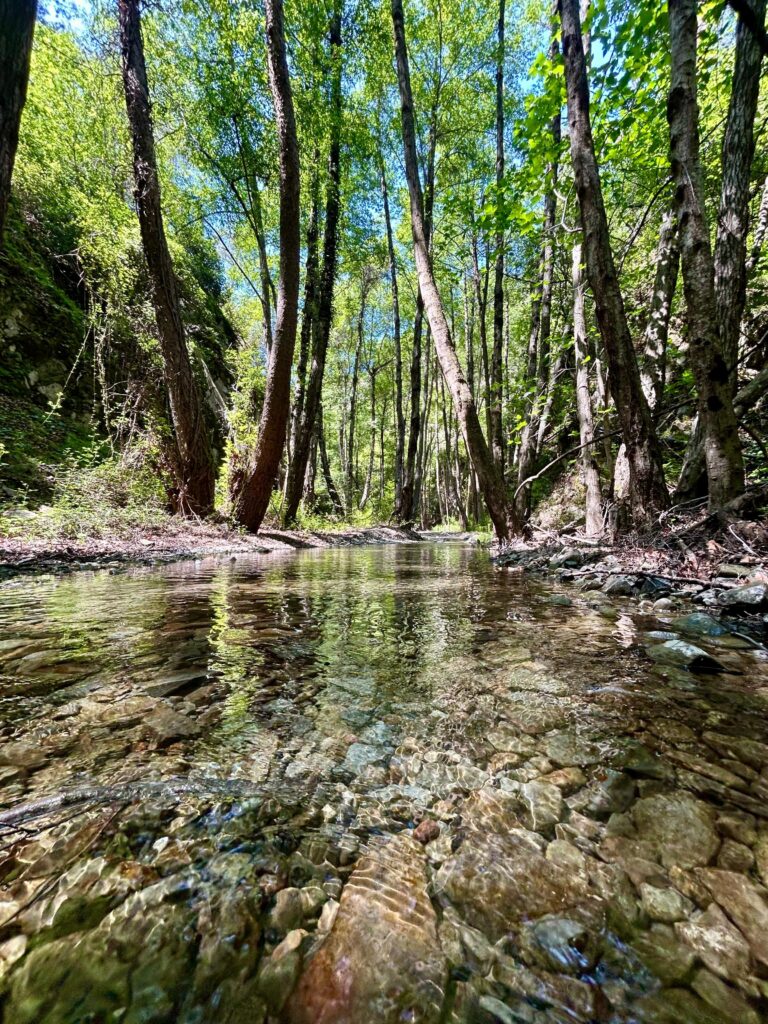
At the same time, the future of Cypriot forests is inextricably linked to society. Enhancing environmental education, promoting accessibility while respecting nature, and active citizen engagement are critical success factors. The Department of Forests seeks to establish a relationship of trust with society, highlighting the role of forests as a common good and not as a mere natural resource.
Of particular importance for the future is the strengthening of the institutional and operational capacity of the Department of Forests. The continuous training of human resources, the utilization of new technologies, the improvement of procedures and the cross-border cooperation, such as the one developed through European programs, strengthen the Department's ability to respond to new challenges with efficiency and transparency.
In a changing world, Cypriot forests cannot be treated in terms of the past. They require modern thinking, scientific documentation and collective responsibility. The Department of Forests, with its actions and planning for 2026 and the years to come, demonstrates that it has the vision and competence to guide this transition, ensuring that Cyprus' forests remain vibrant, resilient, and valuable for generations to come.
