Filenews 14 December 2025

A "silent pandemic" affecting sea urchins is spreading in the seas globally, causing severe turbulence in marine ecosystems, according to new scientific research published in Science Daily.
Scientists warn that mass sea urchin deaths have been recorded in recent years in different geographical areas, from the Caribbean and the Mediterranean to the Indian and Pacific Oceans. The phenomenon is attributed to an infectious agent, which spreads rapidly and affects multiple species.
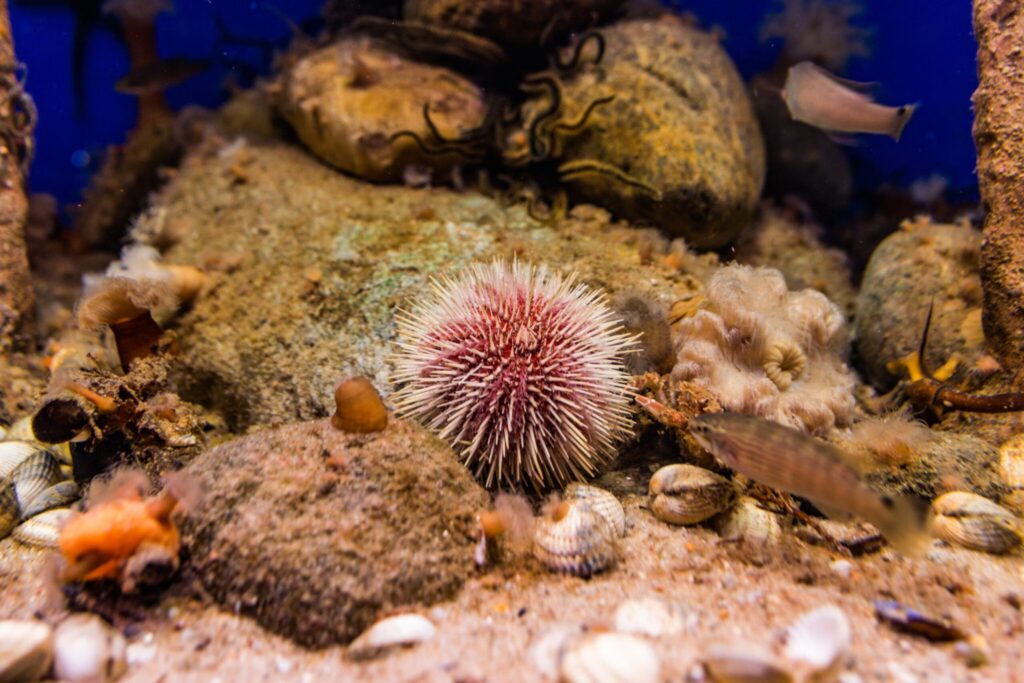
Species such as Diadema africanum, which play a crucial role in maintaining ecological balance, appear particularly vulnerable. Sea urchins limit the uncontrolled growth of algae, helping to protect coral reefs and other sensitive marine habitats, and are a key link in the food chain, as prey for fish and marine mammals.
However, from 2022 to 2023, populations of D. africanum in the Canary Islands suffered mass mortality. The animals lost flesh and spikes, moved erratically, and stopped reproducing, driving populations to historically low levels.
Similar phenomena are recorded in the Caribbean, the Mediterranean, the Red Sea and the western Indian Ocean.
Scientists are looking for the cause: previous mass mortalities have been linked to parasites such as single-celled scuticociliates and amoebas Neoparamoeba.
The current crisis seems to threaten the balance of marine ecosystems, creating "sea urchin deserts" and reducing biodiversity.
Experts warn that the pandemic may spread further, while the consequences for reefs and the functioning of marine ecosystems remain uncertain, highlighting the need for urgent research and protection measures.
