Filenews 9 November 2025 - by Marios Demetriou

The non-profit, non-governmental organization Cyprus Observatory of the Third Age continues its long-standing effort to enhance the quality of life of the elderly on the island, announcing the start of the implementation of the European program Age Friendly Cities, which promotes the idea of creating age-friendly cities and submitting to the Ministry of Education, a comprehensive policy proposal for the fight against age-related racism and the bridging the gap between generations, which includes actions on education, social initiatives and legislation. Regarding the political proposal of the organization to the Ministry of Education, there was during the current school year, a pilot implementation of some proposed actions, in two schools in Limassol and one in Nicosia, after there was an immediate and positive response from the Minister of Education Athena Michaelidou.
The president of the Observatory, Dimos Antoniou, told "F" that the organization's proposal is included in a written memorandum that he handed over to the minister, at their meeting at the Ministry of Education in October 2024. "We call on the Ministry of Education, Sports and Youth to consider these proposals and take decisive measures to combat ageism and promote solidarity between generations," the memorandum notes. "By working together, we can create a society where every person, regardless of age, can prosper and contribute to a better future for all," it concludes.
An essential urban design
As the Municipality of Antoniou told us, "the Age Friendly Cities (AFC) project aims to create urban environments, friendly to the elderly, to enhance the social participation, accessibility, independence and quality of life of the elderly". He added: "Through research, educational actions, policy guides and collaboration with local authorities and communities, the project aspires to contribute to the formation of sustainable and inclusive cities, for all. In this context, the Cyprus Observatory for the Elderly, in collaboration with the organization Antama, from Greece, successfully held the kick-off meeting of the European project on 29 and 30 September 2025 at the Observatory's offices in Limassol. During the two-day meeting, the partners had the opportunity to jointly plan the next steps of implementation and discussed the objectives of the project, the management and coordination mechanisms, the communication and dissemination strategies, as well as the timetable of the activities."
Describing Age Friendly Cities, Mr. Antoniou said that "the project aligns with key priorities of the European Union, particularly in terms of inclusion and diversity, as it focuses on age-friendly cities and the inclusion of the elderly. According to Eurostat (2023), the share of people aged 65+ in Europe is expected to increase from 21% to 30% by 2050, which makes age-friendly urban planning essential. The Green Paper on Ageing highlights the urgent need to ensure that cities are inclusive, accessible and sustainable for an ageing population. Our project directly addresses this challenge by developing evidence-based strategies to improve the urban environment."
The Municipality of Antoniou briefly outlined the objectives of the project, which are "to carry out comprehensive assessments of existing urban infrastructure, services and policies to identify areas that need improvement, in terms of age-friendliness, to encourage participation and cooperation, among the elderly, local authorities and other stakeholders, for the co-creation of initiatives, and the creation of programs and initiatives to combat the social isolation of the elderly, through community centers, intergenerational activities and networking opportunities. The project also aims to establish guidelines and recommendations for urban planning, with a focus on accessibility, walkability and safety for the elderly, as well as to organize an educational program to disseminate experiences, research findings and success stories related to age-friendly cities."
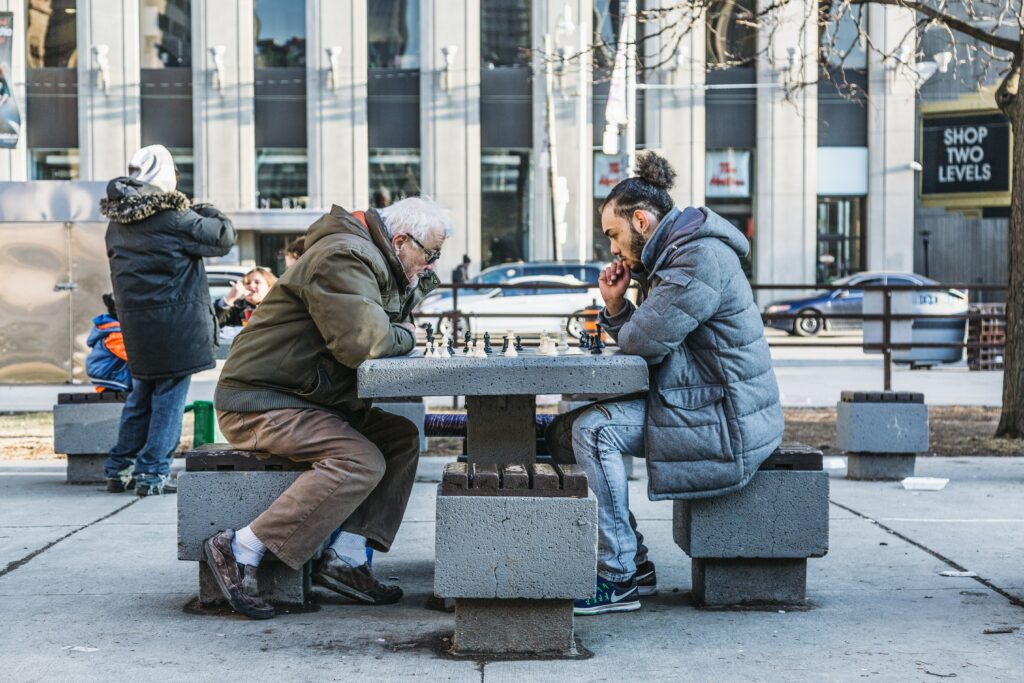
Early childhood and primary education
As the president of the Cyprus Observatory for the Elderly told "F", the memorandum on combating ageism and bridging the generation gap, which he handed over to the Minister of Education, "includes specific actions and strategies that can be implemented within the framework of the education system, starting with pre-school education, but extending to broader social initiatives. The policies outlined in our proposal – he added – aim to educate children about the value and contribution of all age groups, to combat ageism at its root, addressing stereotypes and prejudices and to promote understanding and cooperation between generations, to strengthen social cohesion." The memorandum emphasizes, among other things, that "primary education provides a critical opportunity to challenge the stereotypes and prejudices that contribute to ageism racism. By instilling values of respect, empathy, and understanding from an early age, we can lay the foundation for a society that values all its members, regardless of age.
A crucial first step is to integrate awareness of ageism into the school curriculum. This includes teaching children about the diversity of age experiences, the value of all age groups and the negative effects of age-related racism." The memorandum emphasizes that "it is necessary to work with educators, experts and stakeholders to develop a comprehensive educational program, which will include raising awareness on issues of "age sensitivity", as a key ingredient. This programme should cover issues such as the biological, psychological and social aspects of ageing, the contribution of older people to society and the harmful effects of age-based stereotypes and discrimination."
Training and empowerment of teachers
As underlined in the memorandum of the Cyprus Observatory for the Elderly, to the Ministry of Education, "teachers and professors are at the forefront of the fight against ageism in the classroom – and providing them with the required training and resources is essential to ensure that they can teach effectively and shape age-inclusive behaviours. We propose the implementation of professional development programs, which focus on awareness, on issues of age behaviour and sensitivity between generations. These programs should equip teachers with the knowledge and tools to recognize and address ageism in their teaching practices.
To this end, it is necessary to provide teachers with tailor-made, age-appropriate teaching materials, including lesson plans, books and multimedia sources, which promote positive attitudes towards ageing and intergenerational cooperation. The establishment of mentoring programs will also be supportive, where experienced teachers will be able to guide and support their colleagues in the implementation of age-awareness activities, within the classroom, but also in extracurricular activities. We also propose the creation of intergenerational mentoring programs, where older adults will mentor students in various subjects, such as history, arts, mathematics, etc. These programs can be particularly effective in subjects where life experience, whether professional or personal, adds valuable perspective. The development of school programs that require cooperation between students and older people will also help. These could include oral interviews, community service activities, or joint creative endeavours, such as artistic or theatrical productions. In the right direction, it is also the organization of events that bring together students, parents and grandparents, for joint activities, such as e.g. cultural festivals, storytelling sessions and sports days or meetings between generations."
The Role of Technology
"Technology offers unique opportunities to bridge the gap between generations, facilitating communication, learning and collaboration between age groups, so by leveraging digital platforms, we can create new avenues for intergenerational connection," reads the Observatory's memo to the Ministry of Education. It adds, among other things: "It is important to implement digital literacy programs, specially designed for the elderly, covering the basics, for the use of computers, smartphones and the internet, as well as other topics, such as e.g. electronic communication, social media and cybersecurity. We propose intergenerational technological teaching, with the implementation of digital skills acquisition programs in the elderly, by students with technological knowledge, with the method of one-on-one teaching, thus promoting positive relations between generations. It should be ensured that older people have access to affordable technology and internet services. This could include state-subsidized programs and/or partnerships with technology companies to provide devices at a discount."
Intergenerational, online communities
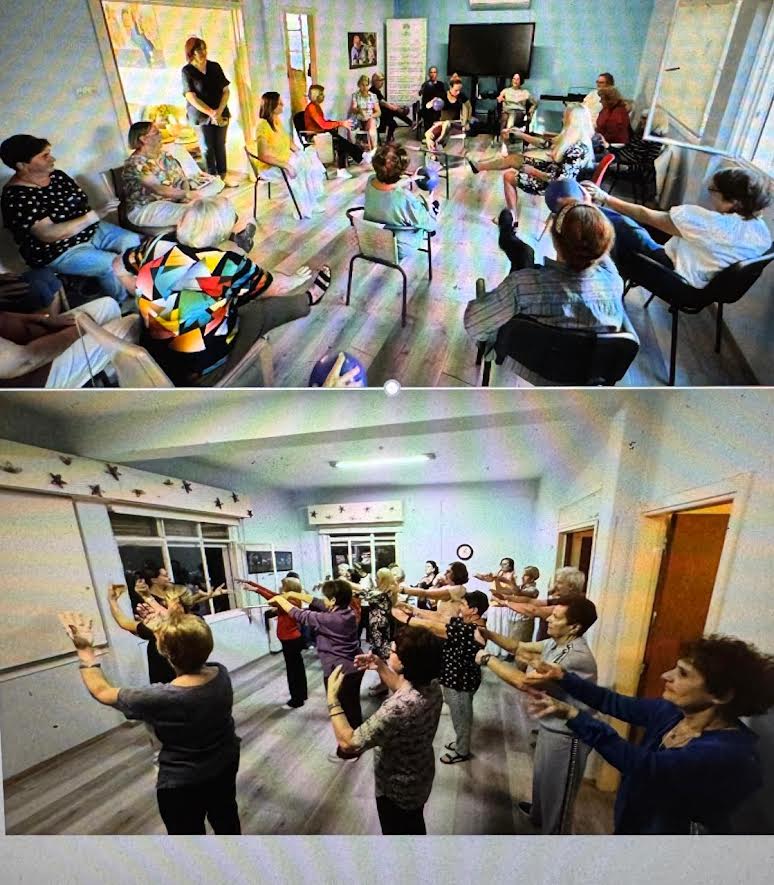
Actions that can be taken by the Ministry of Education, in collaboration with the Deputy Ministry of Research, Innovation and Digital Policy, are also proposed by the Observatory of the Third Age. These include "creating and promoting online platforms that facilitate dialogue and collaboration between older and young, such as discussion forums and social networking groups, where people of all ages can connect and work together. Digital programs can also be developed, bringing together young and old people for joint activities, such as virtual book clubs, online art courses, or collaborative projects. Also positive is the investment in the development of educational tools and applications that promote intergenerational learning. For example, virtual reality experiences could allow students to "experience" life as seniors, promoting empathy and understanding."
