Filenews 25 November 2025

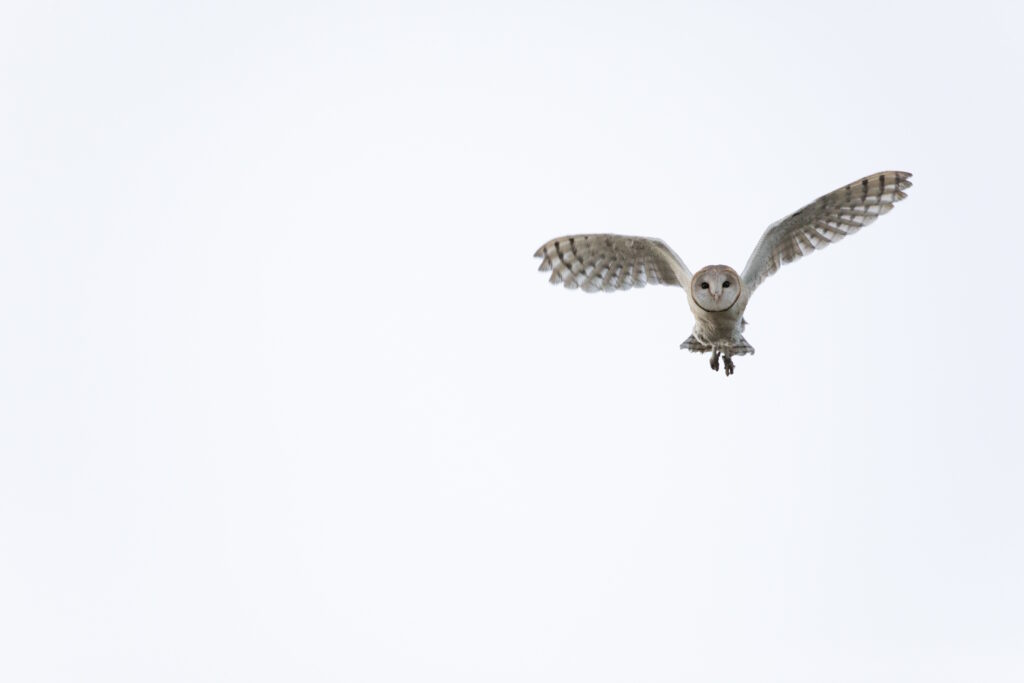
The Anthropopouli (Tyto alba) is one of the 5 species of owl that one can see in Cyprus. It is one of the most widespread birds in the world, since we can find it on all continents, except Antarctica. This permanent resident of our island is active mainly at night, as it is a nocturnal predator.
Although a common species, some features really make it stand out!
1.Performs silent flight
The flight of the Human Bird is almost silent. The structure of its wings is such that it reduces noise and makes the Human Bird one of nature's quietest hunters!
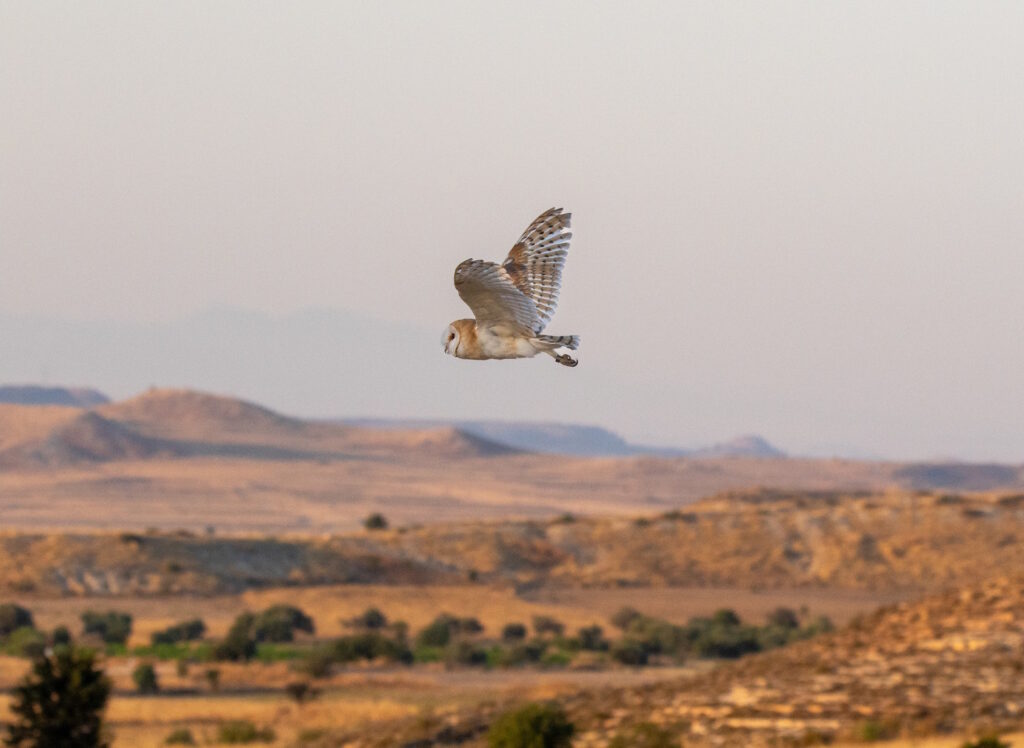
2. He is acutely conscious
Human Birds have incredible hearing and sharp vision in the dark. They can even perceive the slightest movement even at a great distance. At the same time, their highly developed hearing allows them to pinpoint the exact location of their prey even in complete darkness.
Although there is a perception that they do not see well during the day, the truth is that their eyesight is just as good during the day. But they choose to be more active at night, as most of their prey circulate at night. Additionally, the darkness provides them with additional coverage and quiet, making hunting more efficient.
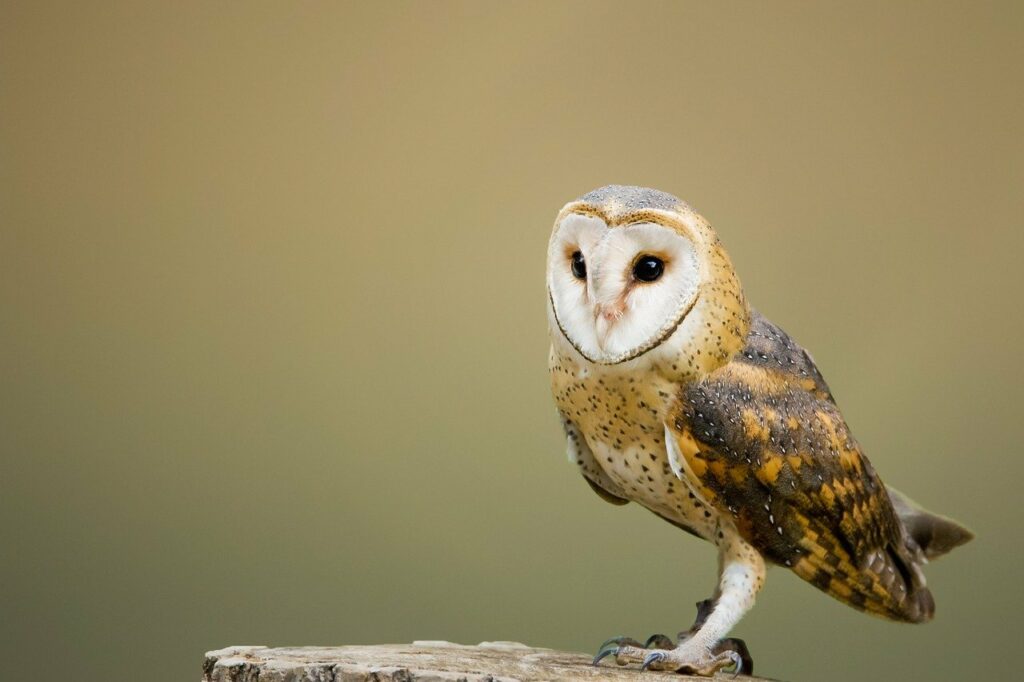
3. Has a heart-shaped face
Its heart-shaped face makes the Human Bird perhaps the most beautiful species of owl. But in addition to beauty, the shape of his face also has practical usefulness. It acts as a satellite dish, directing sounds to the bird's ears!
4. It is an ally of farmers
As one of the best allies of farmers, its diet consists of 96% small mammals, mainly rodents. In this way it helps in the biological control of the rodent population. In fact, a pair of Manbirds can feed on up to a few thousand rodents during a year!
The reproductive success of Human Birds seems to be greater in years when rodent numbers are increased, while it decreases as rodents decrease.
5. He falls victim to rat poisoning
Although the appropriate use of rodenticides is near residential areas or premises for the purpose of protecting human health, rodenticides are also placed in the countryside to protect agricultural crops from damage by rodents. A disastrous consequence of this practice is secondary poisoning, which occurs when a bird – usually a predator – preys on rodents that have consumed a rodenticide. This is a serious threat to birds of prey that feed on rodents, since this poison accumulates in the bird's body, very often at deadly levels.
In the framework of the "Pandoteira" project, the Game and Fauna Service in collaboration with BirdLife Cyprus, implement actions for the protection of birds through which data are collected on the extent and severity of secondary poisoning of predators by chemicals such as rat poisoning. Specifically, from 2020 until today (2025) they collected a large number (118) of dead predators from all over Cyprus, in the majority of them Anthropopoulia (44) and Arkothupoi (20). This important sample was examined by a specialized laboratory of the General Chemical State Laboratory.
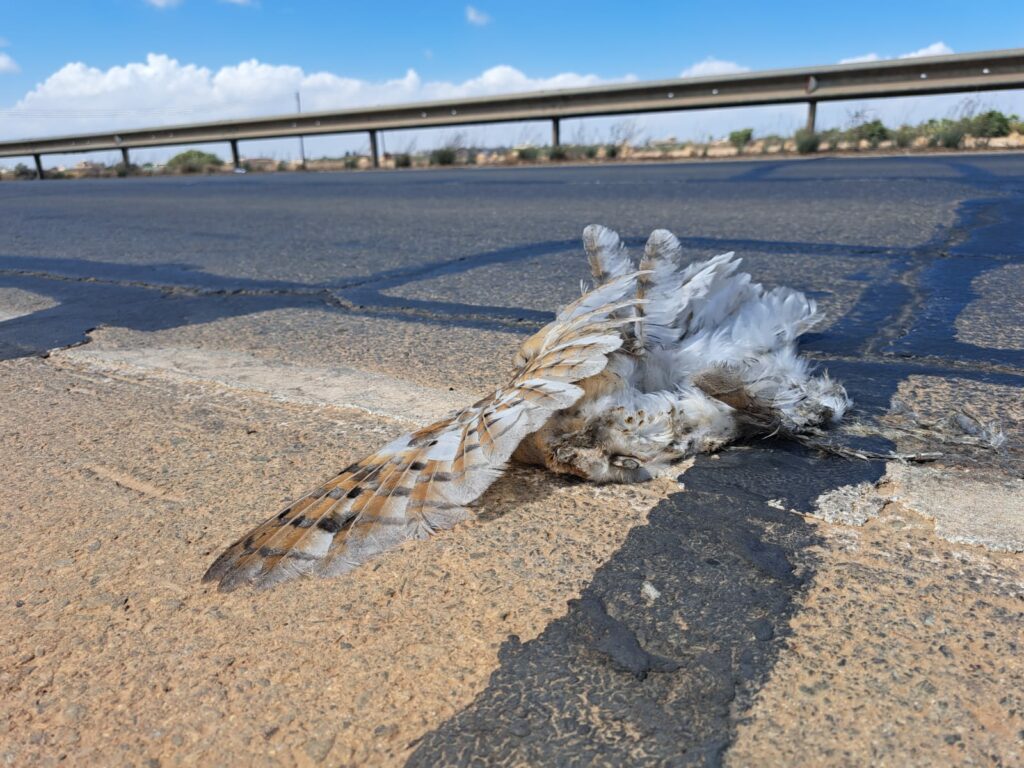
The results showed that more than 87% of the samples were positive for a rodenticide substance, while several samples were positive for more than one substance. The birds in which remains have been found were mainly Manbirds, which due to their diet (96% of which are rodents based on research done in Cyprus) are easier to accumulate these poisonous substances in their body. High percentages were also detected in other species of predators where a significant percentage of their diet also consists of rodents, such as. the Diplogerako (63% of its diet is rodents, based on research done in Cyprus).
Based on the results, it will be examined which rodenticides are the most toxic to wild birds and recommendations will be made as to the prohibition, reduction of their use, or even conditions of their application/use.
Learn more about the "Pandoteira" project here. https://pandoteira.cy/el/oikoselida/