Filenews 14 October 2025

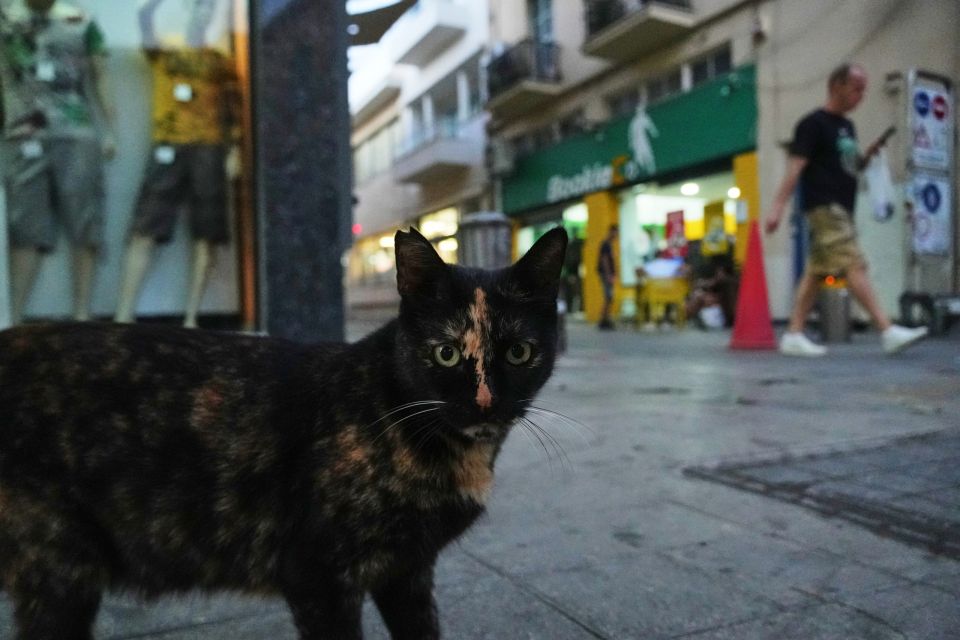
The problem of the overpopulation of stray cats has taken on enormous proportions in Cyprus, with the authorities looking for solutions to limit them. According to estimates, for every resident of the country there is at least one stray cat, while activists estimate that the real number is hundreds of thousands higher.
At the end of September, the parliamentary committee on the environment was informed that the current sterilization programme was not sufficient to cope with the explosive growth of the cat population.
"It's a good program, but it needs to be expanded," said Environment Commissioner Antonia Theodosiou, explaining that currently only 2,000 sterilizations are carried out per year, with a budget of about €100,000.
Although there are no official comparative data, Theodosiou emphasized that Cyprus has gained a reputation as a country with an extremely high population of cats relative to its inhabitants.
"There must be a plan"
Everyone agrees that there should be a coherent plan, in addition to increasing funding.
The decision of the Minister of Environment, Maria Panagiotou, regarding the increase of funding for the sterilization of felines to €300,000 per year, announced on the day of World Animal Day on October 4, was accepted as an important step forward.
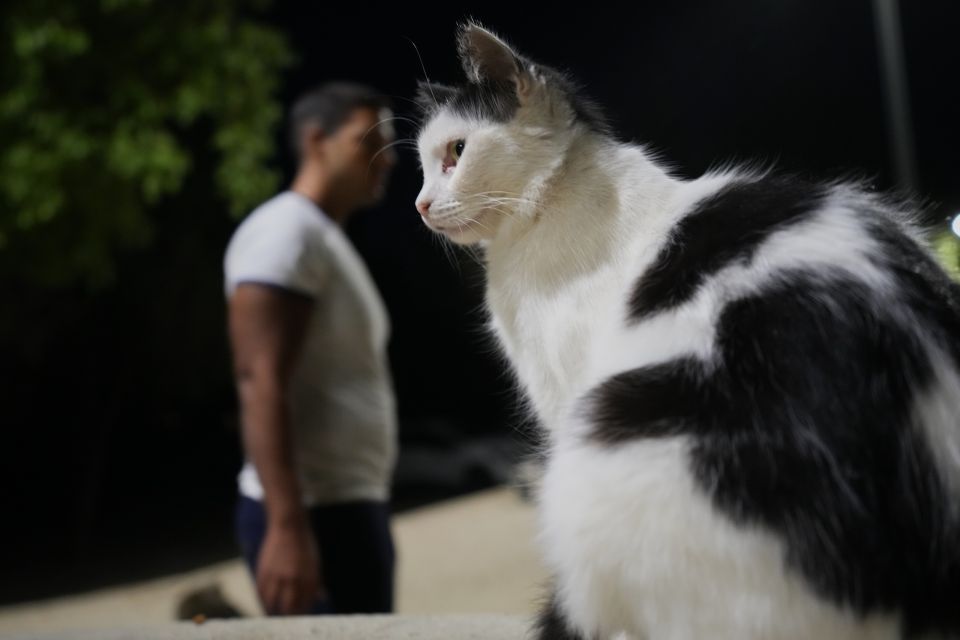
However, Charalambos Theopemptou, chairman of the Parliamentary Committee on the Environment, warned against relying only on money. "There has to be a plan," he said. "We can't just move forward with sterilizations without having a plan," he added.
Given the predatory nature of cats, their large population could not only wreak havoc on the island's ecosystem, but also create undue suffering for stray felines roaming streets full of cars in search of food and shelter.
The history of cats in Cyprus
Cyprus has a long history as a cat-loving nation, where cat food shops and complexes of small houses are a common sight along the popular sidewalks.
Two decades ago, French archaeologists discovered what they consider to be the oldest evidence of the existence of domestic cats in a 9,500-year-old Neolithic village. They found the bones of a cat near the bones of a human, suggesting that they were buried together.
To this long history of the relationship between humans and cats is added the myth of Saint Helena from the 4th century, who, after finding the True Cross in the Holy Land, brought with her two ships full of cats to face a snake epidemic. A monastery that serves as a shelter for cats, St. Nicholas of Cats, still exists today.
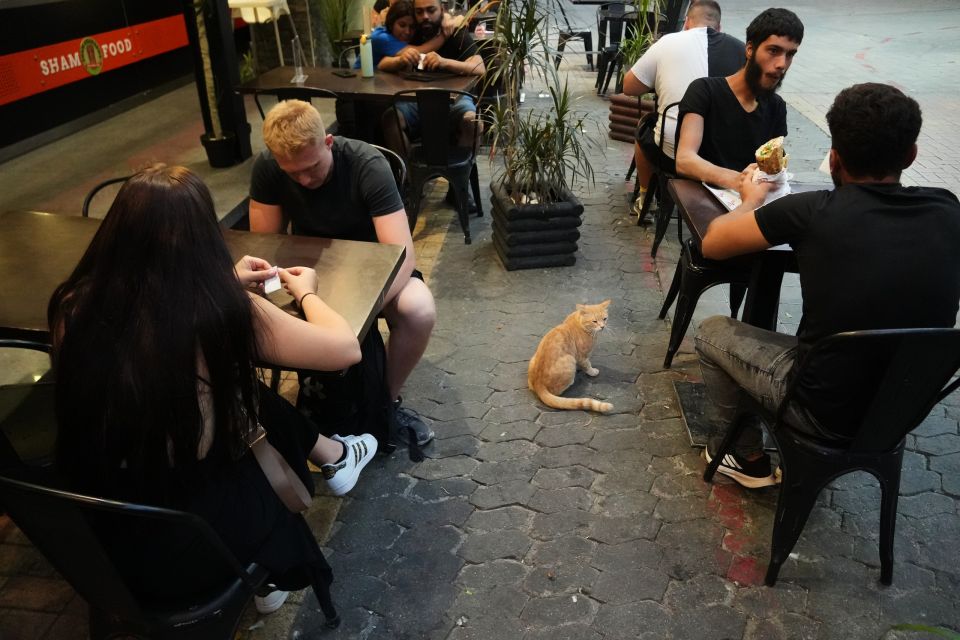
With tourism being a key economic driver for Cyprus, the island's cats have become a major attraction for the millions of visitors who arrive on the island each year. Well-fed cats are a common sight, as they can often be seen eating the leftovers offered to them by visitors at the numerous restaurants they like to frequent.
Cats in abundance
Dimitris Epaminontas, president of the Veterinary Association, attributes the explosive population growth to uncontrolled breeding, especially in urban areas with a high concentration of population, and to the fact that more and more kittens survive after birth, thanks to the care offered to them by ordinary citizens.
The current state program distributes its funds to municipalities, which in turn fund private veterinarians to neuter cats brought in by animal protection teams.
The authorities acknowledge that the program is ineffective.
The country's state Veterinary Services, which are responsible for sterilizations, admitted that the program's capabilities are "less than real needs." In order to reassess where the available funds could be redistributed, he asked local authorities to report on the areas where large numbers of stray cats are concentrated.
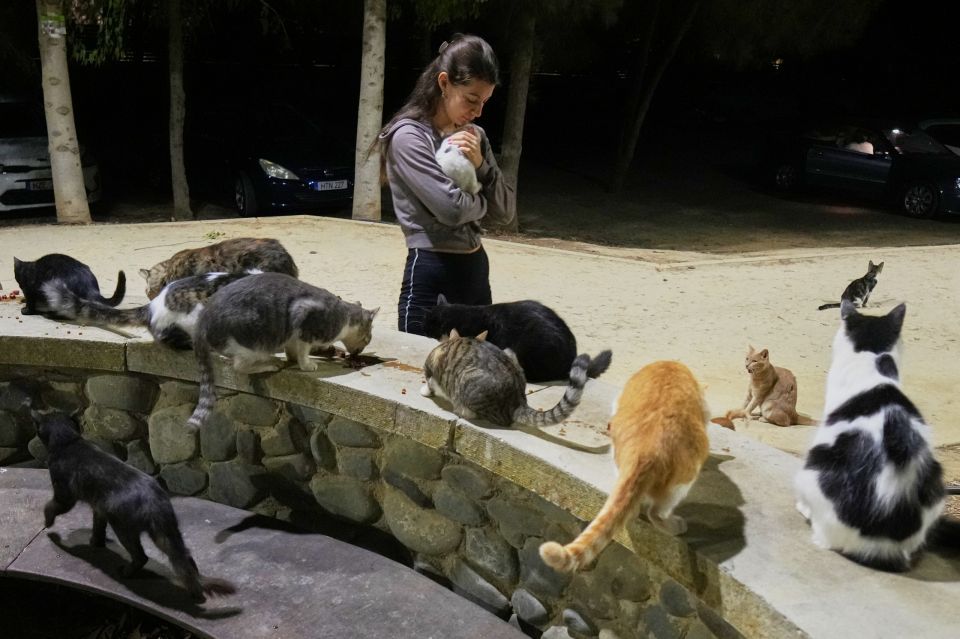
Elias Demetriou, who runs the private shelter "Friends of the Cats of Larnaca", said that tripling the funds for sterilization will not have the desired effect, unless environmental organizations are hired that have the necessary know-how to collect the cats for sterilization.
Eleni Loizidou, head of Cat Alert, a voluntary organisation that cares for stray animals in Nicosia, said her organisation's recent efforts to collect 397 stray cats from the city centre were a drop in the ocean and that very few female cats are neutered, partly due to the difficulty of catching stray cats.
"There are solutions"
Epaminondas, president of the Veterinary Association, said the cat population in Cyprus could be brought under control in as little as four years. This would be possible, he said, if the authorities draw up a comprehensive sterilization plan that would put private clinics at the forefront of the effort, offering free sterilization without the bureaucracy that complicates the process.
"People will be more motivated to neuter their cats if we make it easier for them to do so," he said.
His association has proposed a plan that would identify the main cat collection centres, where authorities could collect them and transport them for neutering to designated veterinarians. The initiative includes the creation of a smartphone app that will allow anyone to help authorities identify such large gatherings of cats.
According to Epaminondas, the state can avoid assuming the full cost of the program by creating a fund to which individuals and businesses can contribute. The minister's announcement to triple the budget for sterilization, he said, could act as a significant incentive for more corporate donations.
The cost of neutering a female stray cat in Cyprus is €55 ($64), which increases to €120 for domestic cats brought in by their owners, as they receive more specialized care.
Environment Commissioner Theodosiou said her staff had worked on a long-term strategy that would bring together the government, environmentalists and volunteers to accurately estimate the cat population and prepare the ground for a mass sterilization program. The plan will also legalize private cat shelters.
"There are solutions," said Loizidou, head of Cat Alert.
