Filenews 1 August 2025

U.S. President Donald Trump has increased Canada's tariffs from 25 percent to 35 percent with a new executive order, according to a White House announcement.
The U.S. president raised the tariff rate "in response to Canada's continued inaction and retaliation" aimed at stemming the flow of fentanyl into the U.S., according to a factsheet on the executive order.
Outside Canada, Trump has decided to increase tariffs on Swiss products as well, despite the efforts of negotiators from the Swiss government.
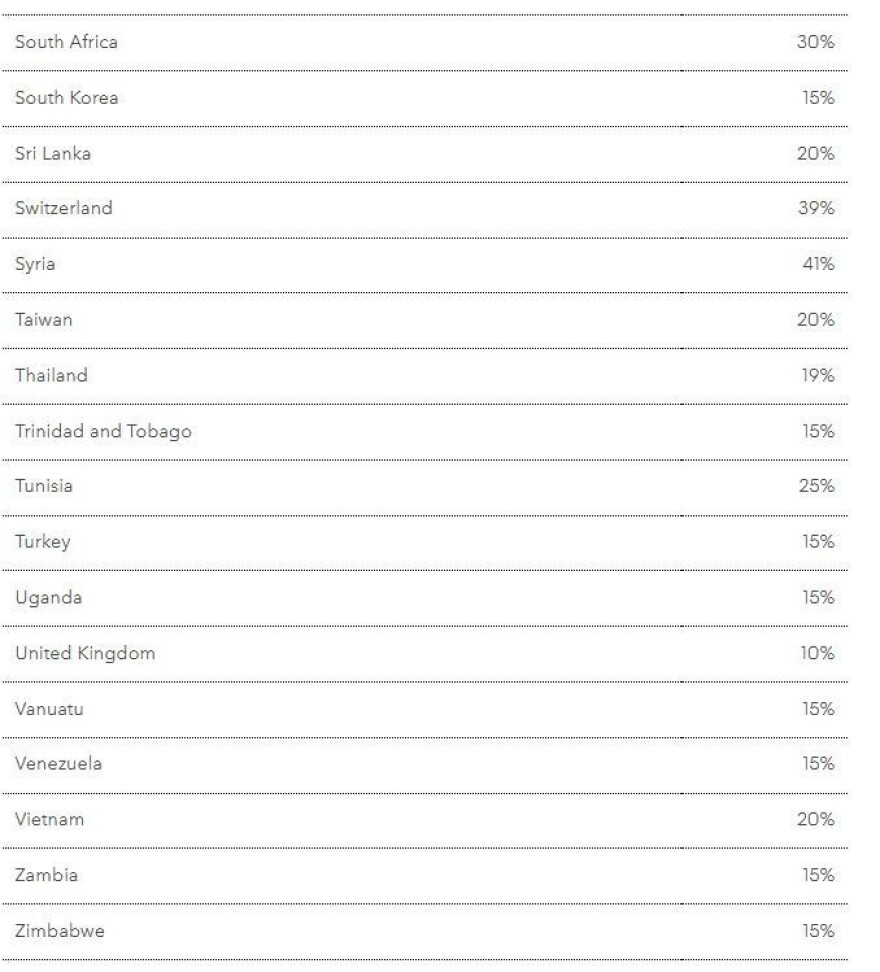
The additional "reciprocal" tariffs of 39 percent are included in an annex to the presidential executive order signed last night by Donald Trump. Previously, there was talk of tariffs of 31%. The U.S. is a very important market for Switzerland, as it exports medicines, watches, machinery, coffee capsules, cheeses and chocolates there.
Trump signed an executive order on Thursday imposing higher tariffs on dozens of countries around the world that the U.S. government says has a smaller or larger trade deficit.
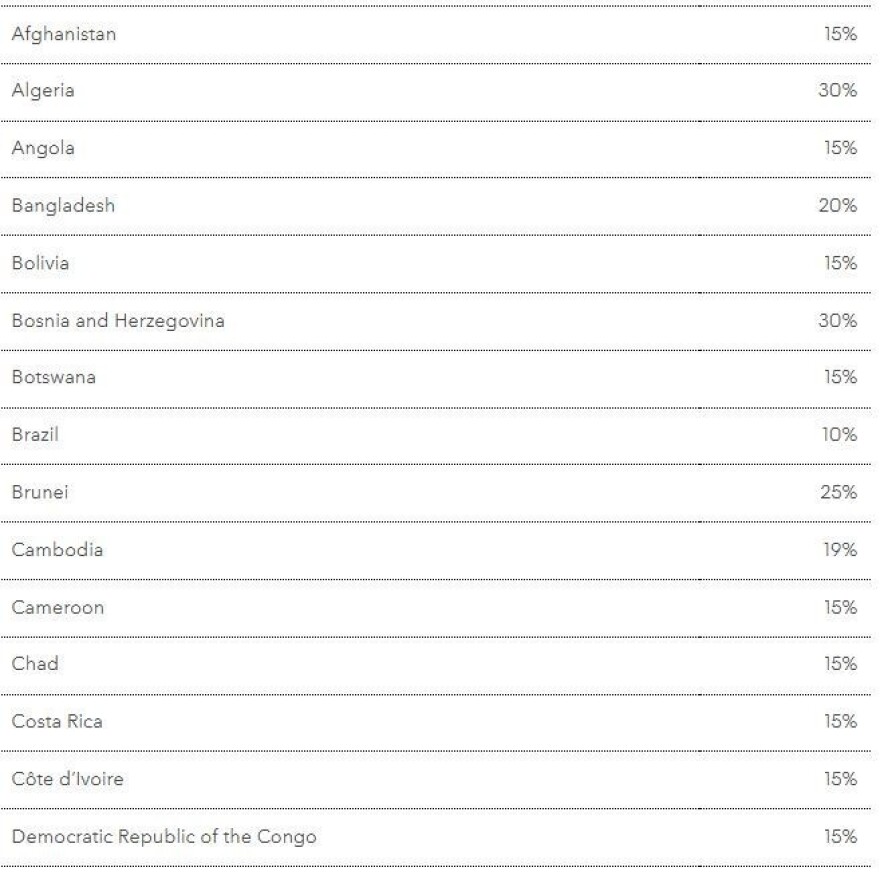
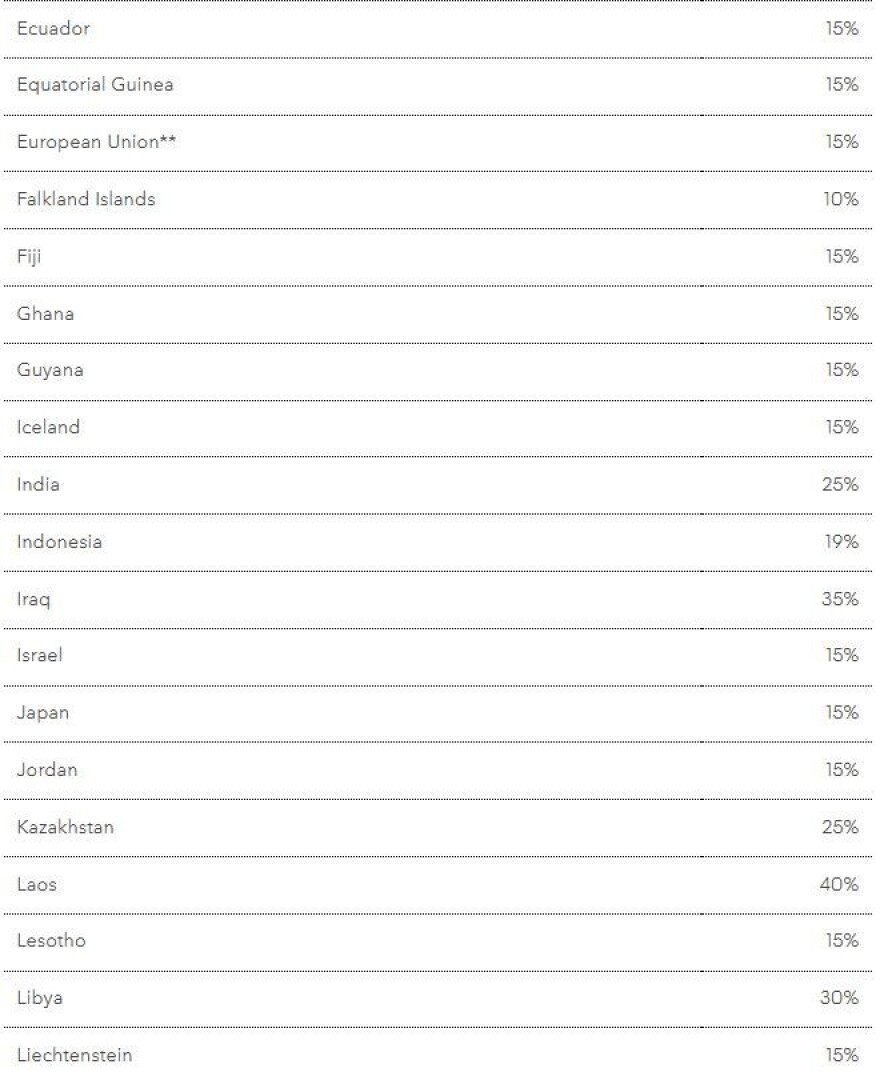
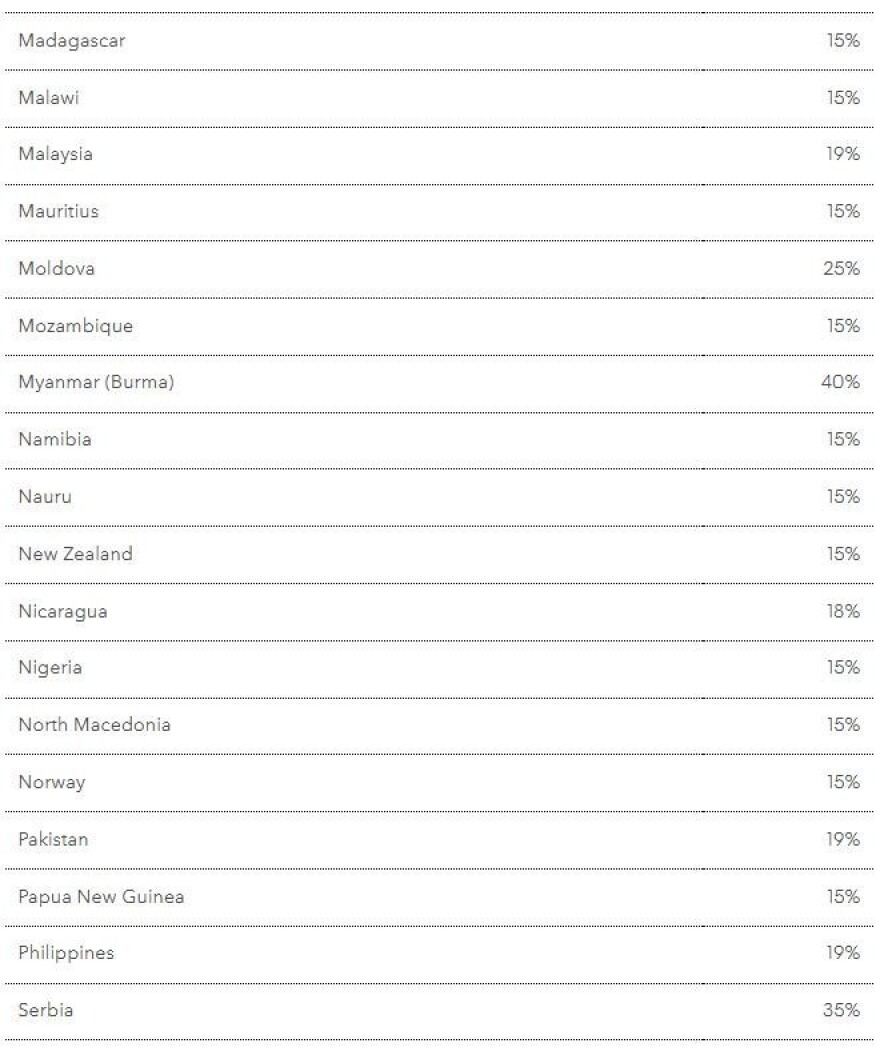
The new tariffs range from 11 percent to 41 percent, with the highest on Syria, while the European Union, Japan and South Korea are burdened with an additional 15 percent tariffs, a measure aimed at "rebuilding global trade for the benefit of American workers," the White House said in a document.
The countries facing the highest tariffs include Laos and Myanmar, both relatively poor countries that are burdened with 40% tariffs. Myanmar's main exports to the U.S. are clothing and Laos' electronics.
The new tariffs will come into force on August 7
New additional tariffs on goods imported into the U.S. from dozens of its trading partners around the world will go into effect and begin to be collected on August 7, seven days after the scheduled date of August 1, a senior U.S. official said on Thursday.
The seven-day postponement of the implementation of the measures was decided to allow U.S. customs to be organized, he explained to the press. The exception is Canada, which has been facing higher tariffs on its exports since midnight on August 1.
According to CNN, the adjustments Trump made before the deadline are:
Countries and regions Reciprocal Adjusted Duty
Race to close deals
At the same time, several countries are trying to reach an agreement before the deadline set by Trump. The U.S. President has made it clear that there will be no delay in the sweeping tariffs that are due to take effect immediately after midnight.
The mechanisms for exactly how this will work are not exactly clear a few hours before the deadline. This is a headache for a whole range of countries, importers and customs officials.
White House press secretary Caroline Levitt said at a briefing on Thursday that Trump would sign an executive order imposing the new tariffs sometime today, but that process has been complicated by the last-minute rush by trading partners to secure agreements to reduce their tariffs.
This has added a level of difficulty to a process that requires a presidential directive for the federal government to collect revenue from the new rates. The uncertainty and extremely compressed implementation timeline are not a new development for federal officials involved in the process. It was more of a feature than a mistake, given Trump's evolving and often ad hoc approach to a whole host of new tariffs and rates.
For importers considering imposing new tariffs in a matter of hours and customs officials tasked with applying those rates, counting down to the deadline was "quite complicated," a company executive told CNN.
Trump has secured a steady stream of deals with major trading partners over the past week and announced that India would be burdened with a 25 percent rate and an additional penalty for energy purchases from Russia after negotiations with New Delhi failed.
Another 17 nations received letters last month fixing their price in case an agreement is not reached before the deadline.
Trump imposed a 10 percent global tariff on all countries on April 2, which remained in place throughout the delay of its "reciprocal" rates. However, it has also stated that it is considering a base tariff of between 15% and 20% for about 150 countries, implying that the initial universal tariff may be increased for some or all of these countries. The White House has not specified what the final level will be so far.
Levit said countries that have not reached agreements with the U.S. will hear the final verdict on their tariff rate "by this government by the midnight deadline tonight (local time, 07:00 Cyprus time)."
