Filenews 18 February 2024 - by Myrto Zoumidou

Three lovers of nature, cultural heritage and photography joined forces, sometimes working together and sometimes alone, and made a huge undertaking. To plow "pathkian – pathkian", as the Cypriots used to say, the whole island and to record the watermills that used to operate on our island. Their allies are the historical sources, residents in every region and all kinds of connoisseurs.
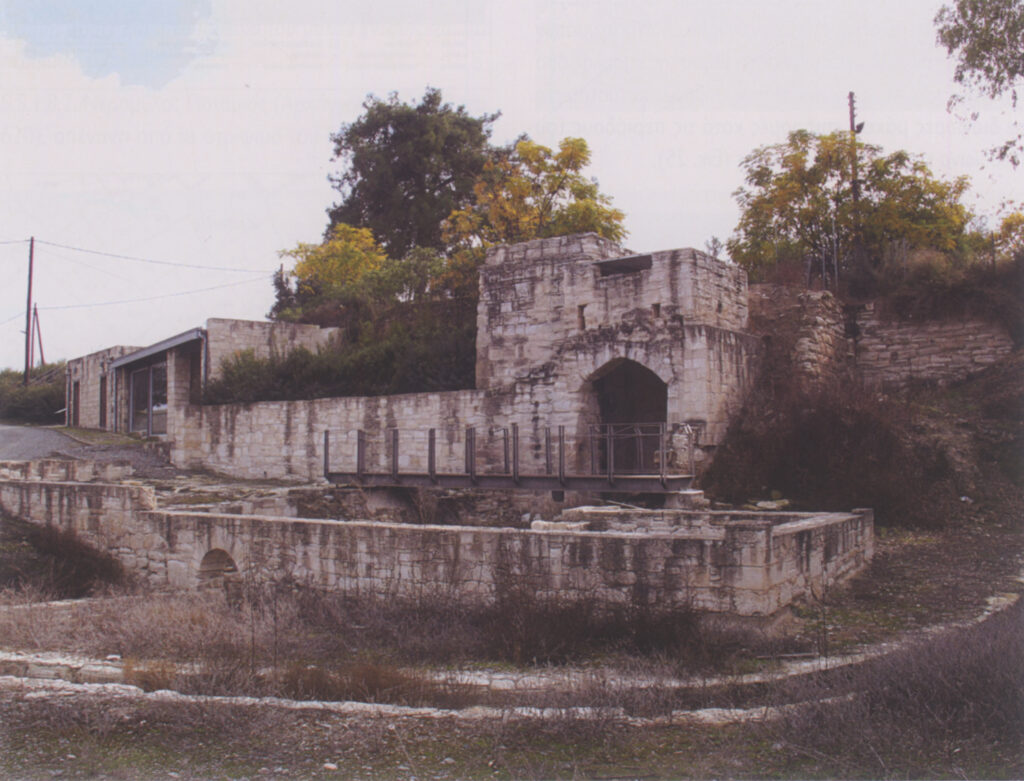
Dali
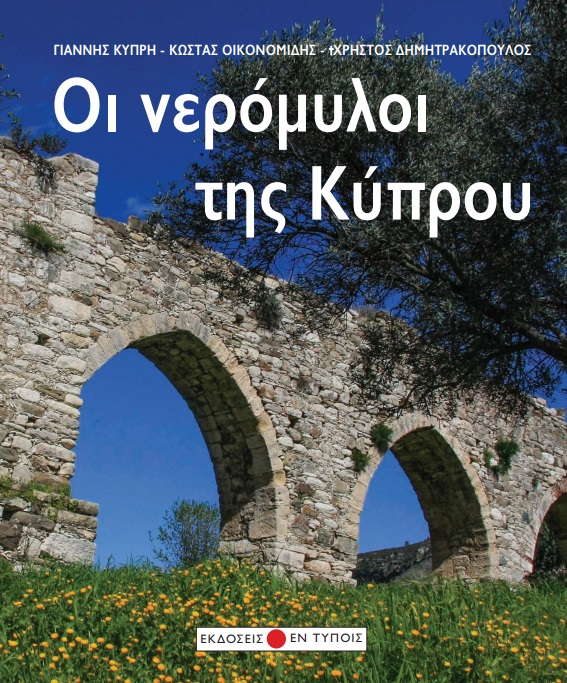
The researchers, Yiannis Kypri, Costas Economides and Christos Dimitrakopoulos, conducted a collective research, which cumulatively lasted 30 years and published a treasure book on the culture and tradition of our country. In the publication "The watermills of Cyprus" they recorded a total of 650 watermills that operated from time to time in the free and occupied areas.
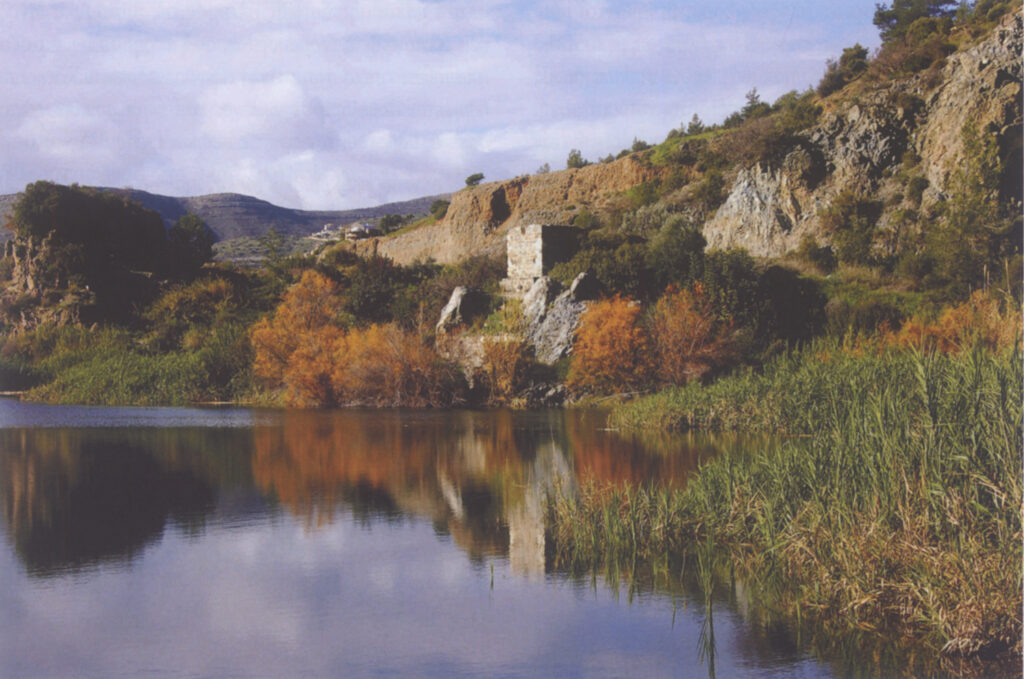
Akrounta
If one goes through the almost 700 pages of the book in the 9+2 chapters of the book, one will realize that before him unfolds an almost unknown aspect of the daily life of our ancestors, who under difficult conditions struggled with the elements to make the most of the power of water. Sometimes its impetus and sometimes its scarce reserves to grind the flour for kneading the bread of their families.
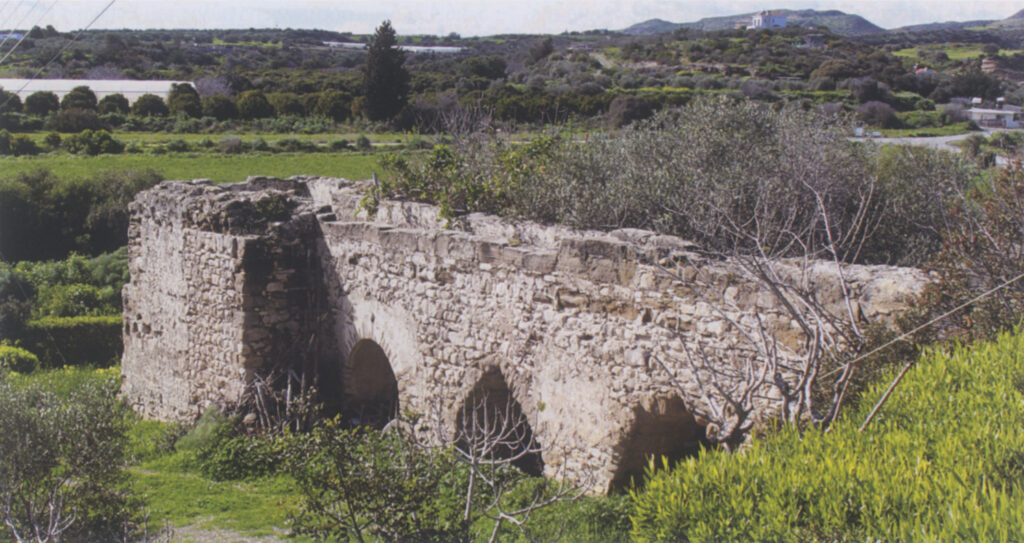
Agios Theodoros
The "Watermills of Cyprus" by En Typis Publications, is nothing more than a great research project with a wealth of information and the obvious hope of its creators that the reading public will be sensitized regarding the protection and promotion of these monuments, which are an integral part of our centuries-old cultural heritage.
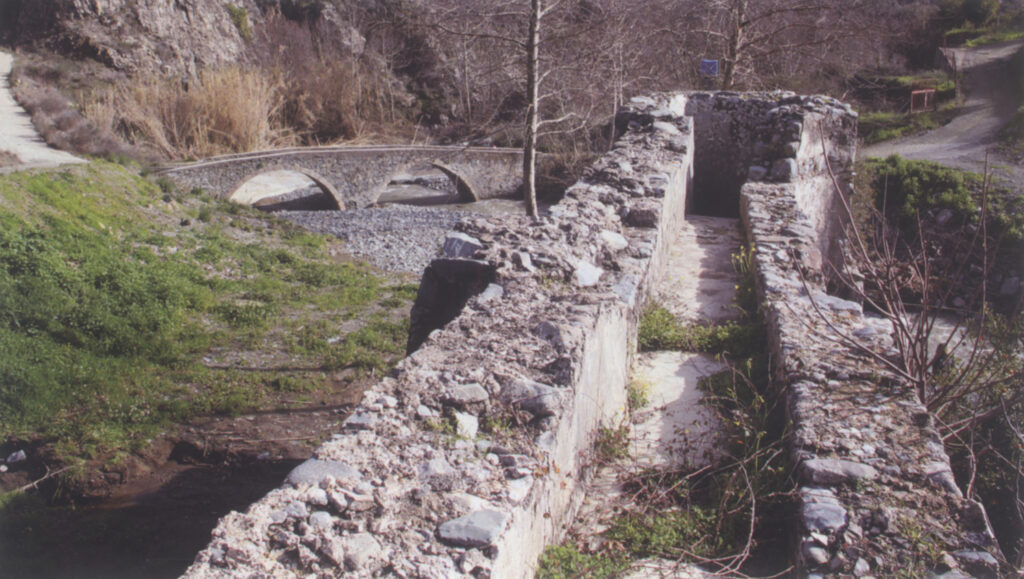
Akapnou
Water – the precious commodity for the economy of Cyprus
Water has always been a very valuable commodity both for the economy and for the life of Cypriots, as well as for the whole world. From antiquity until today, various methods are used to transport water from wells, lakes and rivers for irrigation and water supply. Later, the flow of water from the streams and the headwaters was used for the construction of watermills for grinding wheat so that the inhabitants of the villages could produce the flour for kneading bread.
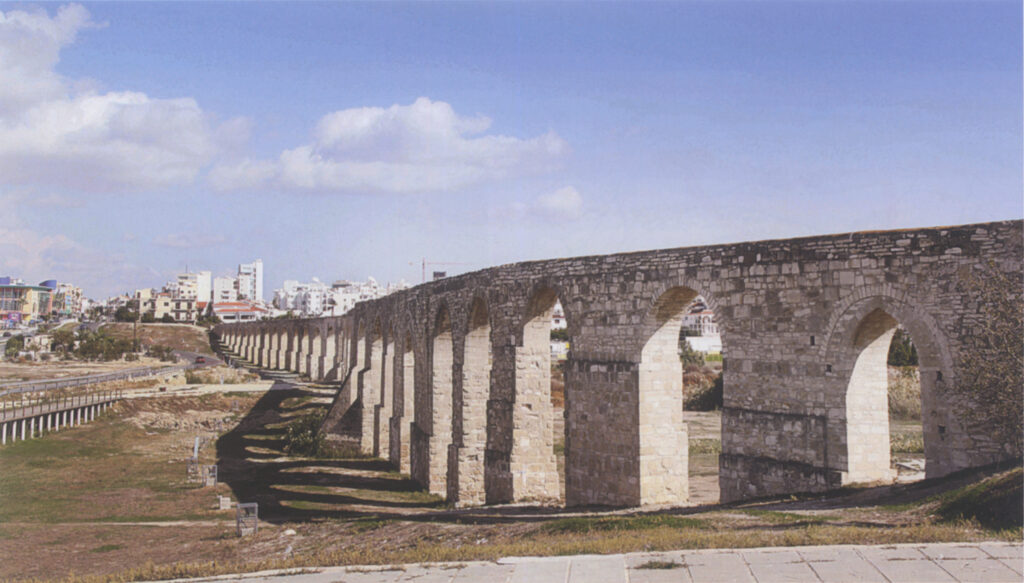
Dromolaxia Aqueduct
Thus, watermills for several centuries were an integral part of the Cypriot countryside. Of course, the evolution of technology gradually replaced them with steam engines to reach today and electric mills. In many parts of Cyprus visitors will come across several such remnants of constructions, mainly where headwaters are found. Some of them, either on private initiative or through the Department of Antiquities, were restored or preserved so as not to disappear. Their importance for the history of Cyprus is enormous, as is their economic, social, cultural, folklore and architectural aspect.
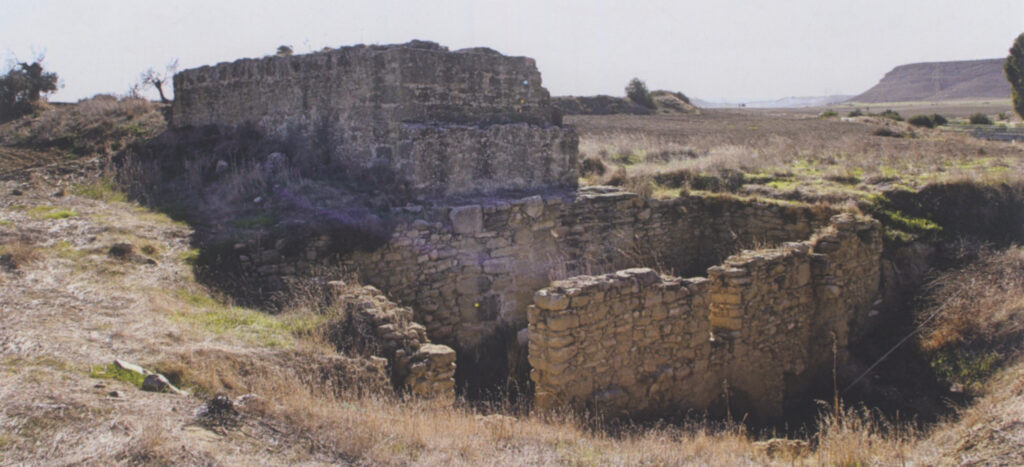
Agios Sozomenos
Through the research of the three, various questions arise... When were they built? When and why were they abandoned? Who were their owners? What was their history and significance for everyday life in the villages?
Full record for 650 watermills
Kypris, Economides and Dimitrakopoulos, managed through their many years of research to record 650 watermills in free and occupied Cyprus, with sufficient testimonies, information and maps. The investigation does not include watermills for which insufficient evidence and testimonies were found. However, for the 227 watermills out of the 650 that were recorded, no traces survive or could not be located due to inaccessibility by researchers or there was no information about their exact location.
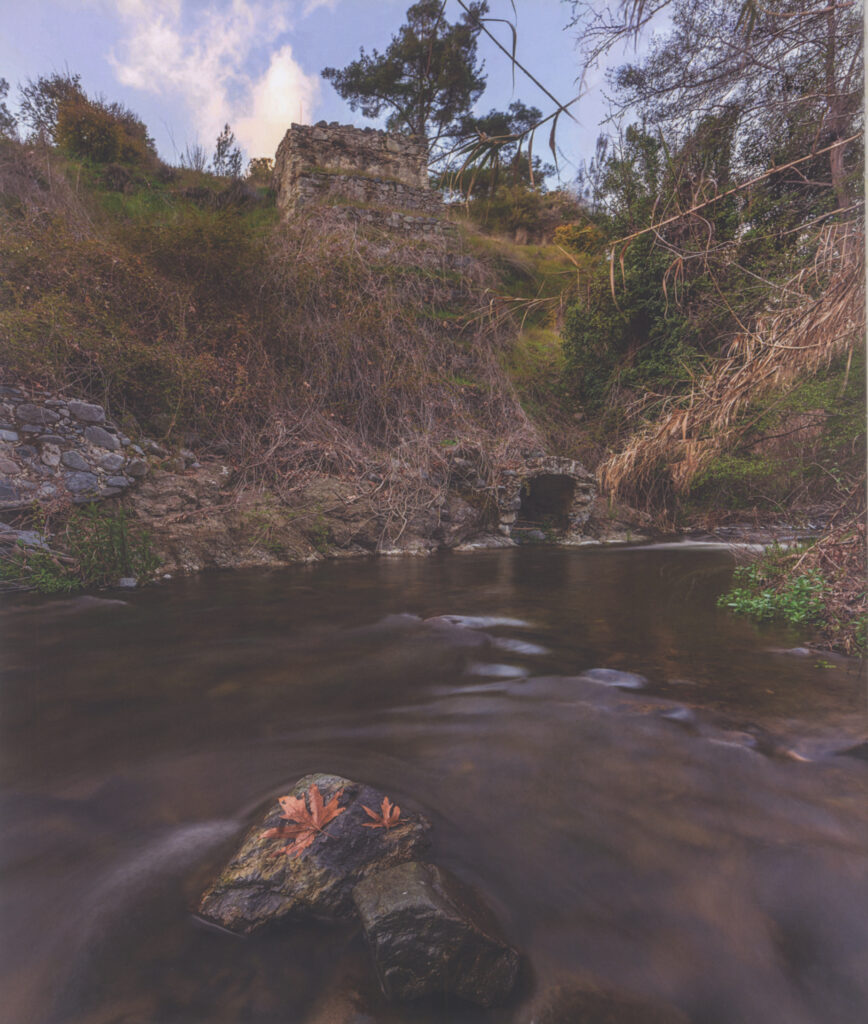
Limassol
The book includes a table listing all the watermills, along with their coordinates where it was possible for researchers to locate them. But as they explain, not everyone was operating at the same time. Some were destroyed and rebuilt either in the same place or elsewhere. Other watermills were abandoned for various reasons and some were built at the end of the Turkish occupation and the beginning of the British occupation with a short period of operation. Much information about them was lost in time along with the watermills themselves.
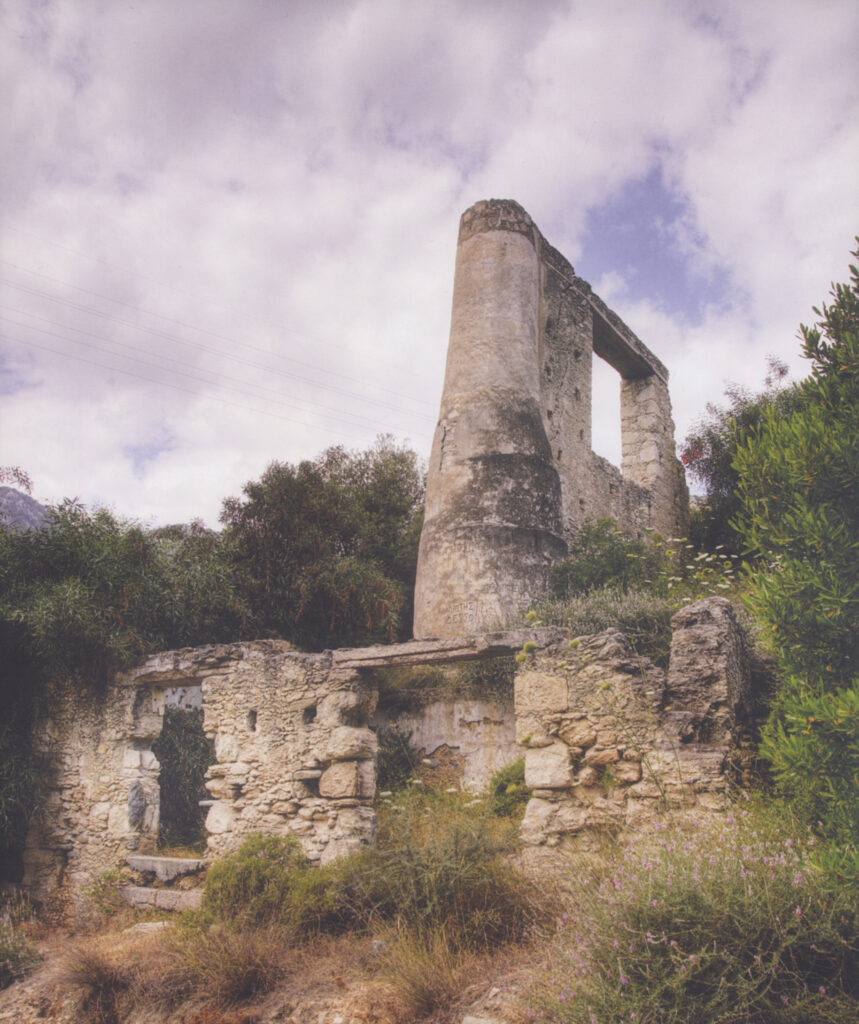
Κερύνεια
Οι ερευνητές σημειώνουν πως από τις απογραφές εντόπισαν περί τους 1572 νερόμυλους σε λειτουργία το 1832-33, 388 από τους οποίους δεν βρίσκονταν σε λειτουργία. Περί το 1920 αρχίζει η καθοδική πορεία με τα στοιχεία να λένε ότι σε λειτουργία βρίσκονταν μόλις 298 νερόμυλοι.
Furthermore, for each province, each village where watermills are located, there is in the book a brief record of the history, geology and other information concerning the watermills themselves. For each watermill included in the book, its name is mentioned where and where there is information from historical or other sources. For some of the watermills, researchers found enough information that they coded for the purposes of publication, while for others the available information was minimal or non-existent. Where ruins are found, the texts are accompanied by photographs, while in the rest a topographic plan or any other testimonial material testifies to the existence of a mill.
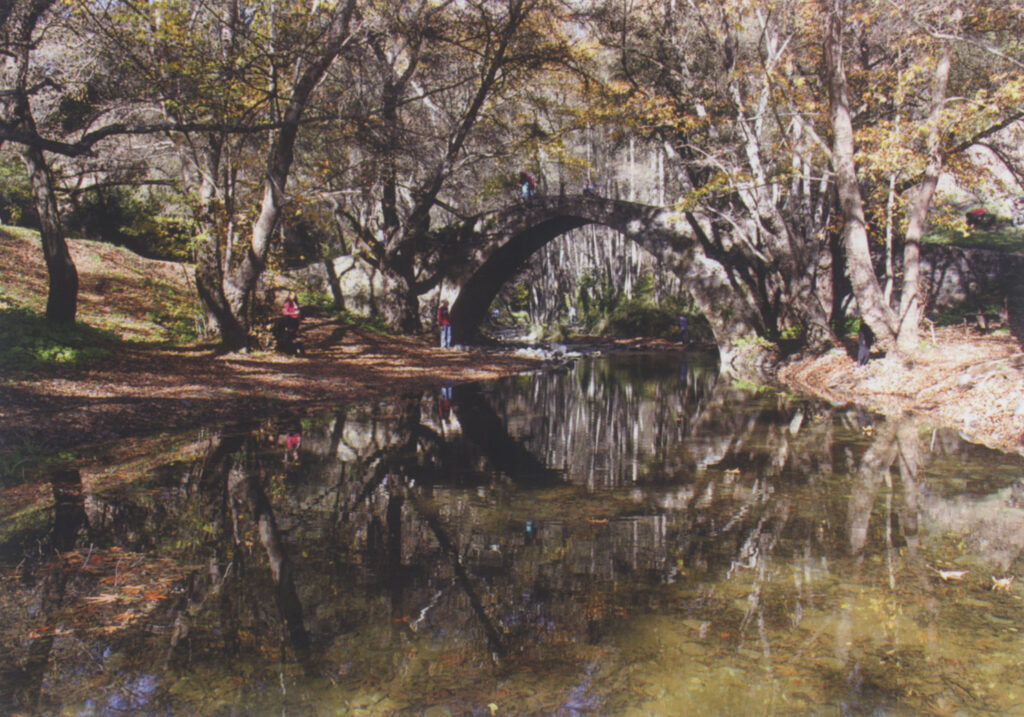
Fini
In the following chapters, researchers tell an interesting story of the existence of sugar mills and windmills on our island with a brief overview of their use in Cyprus and photographs where ruins are found.
Chapter 8 provides a review of Cypriot press reports of the British occupation period, with references to the watermills and watermills of Cyprus. This is where the beginning of the end of the "empire of watermills" is observed.
From the book could not be missing and the... omitted from the excursions of the researchers and their collaborators, for whom they note that their help was catalytic in the completion of the research.
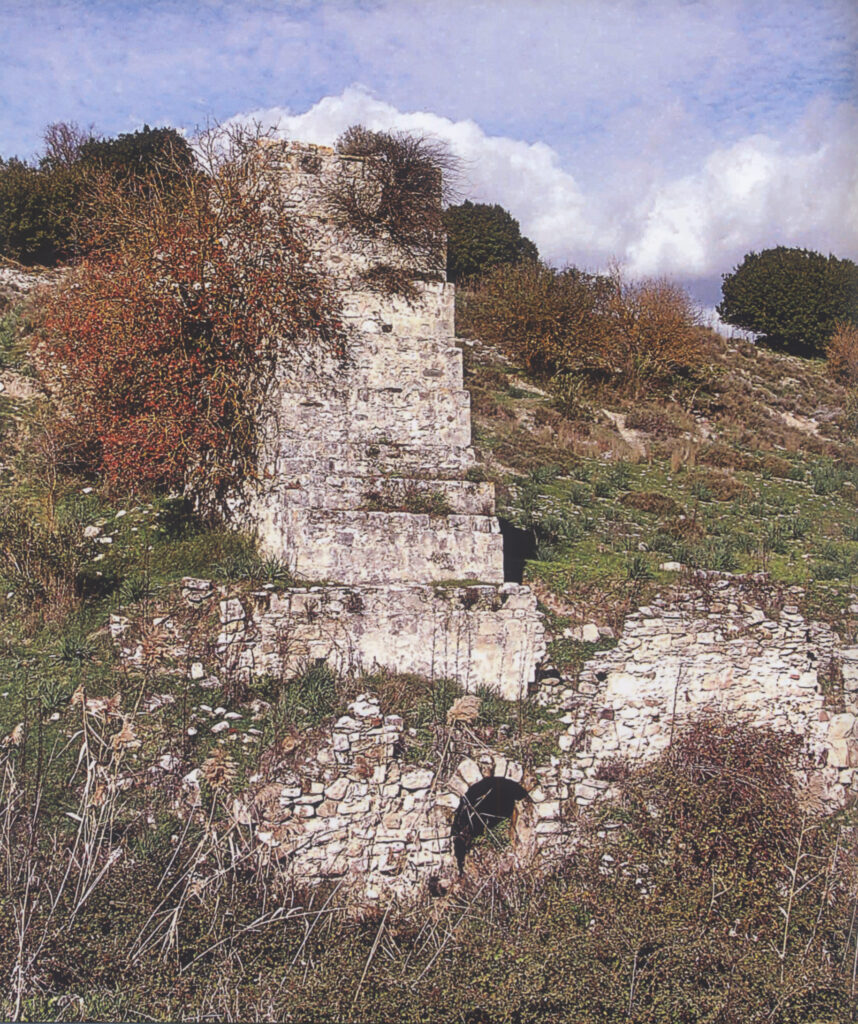
Paphos
At the end of the book the reader can find indexes and a map to better understand the findings.
The book "Water Mills of Cyprus" is dedicated to the memory of Christos Demetrakopoulos, one of the three researchers, who passed away prematurely in December 2021 without seeing the project completed. But before his passing, he made sure to leave behind a particularly important work that enriches the publication.
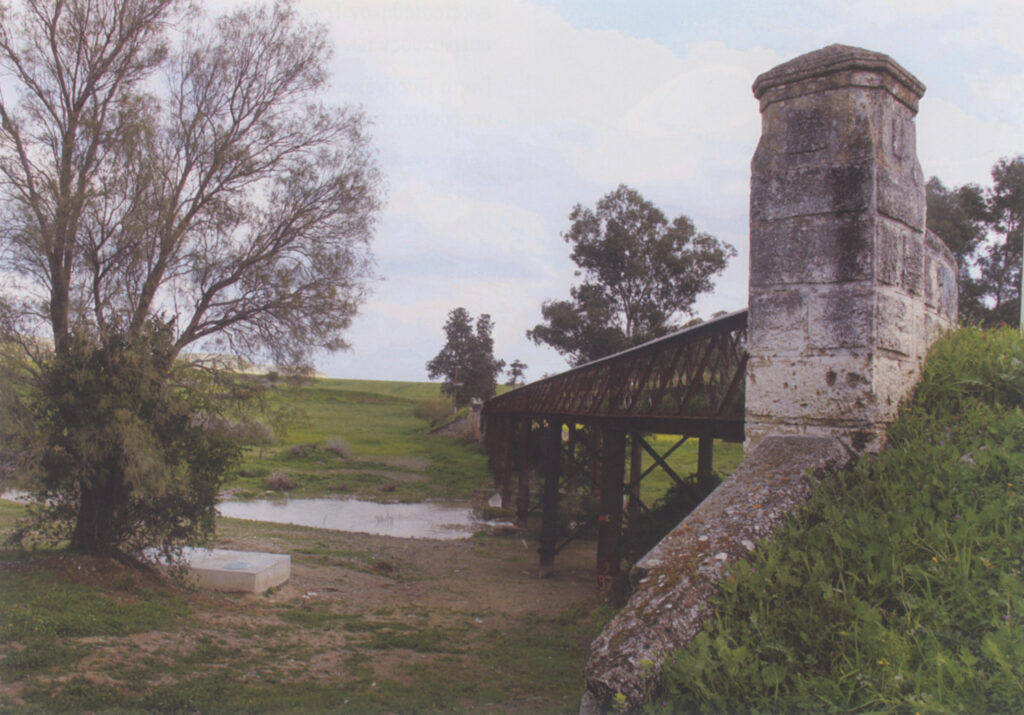
Tymbou
The researchers note that all watermills in Cyprus – with the exception of a dozen – are of Greek type. They operated with a horizontal impeller in which water fell from the pit into the siphon with force, setting it in motion. This in turn was connected by an axis to the upper millstone, which he set in motion to start grinding the wheat.
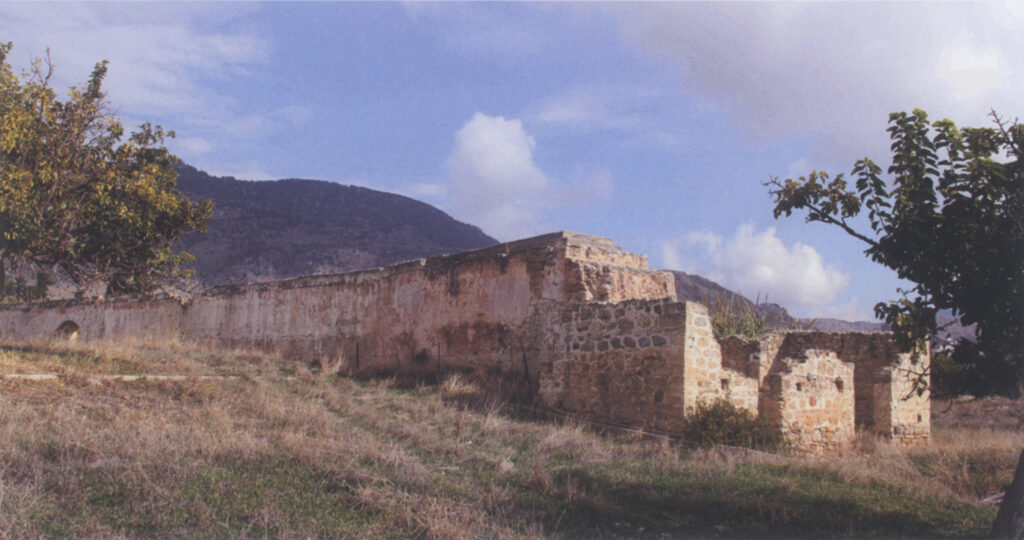
Dikomo
The majority of the watermills ground wheat. Or barley. Some mills also had a cigar machine.
