
The contract signing process with the contractor company for the implementation of the long-standing largest development project in the Tylliria area, totalling €8.5 million, concerning the improvement and modernization of the fishing shelter of Kato Pyrgos, with the Department of Public Works as the responsible implementing body, is being completed.
This is a particularly important infrastructure project that tangibly reflects the government's interest in Tylliria and its steadfast determination to support development, upgrade infrastructure, and improve the daily lives of residents and professionals in the area. Its implementation is expected to substantially boost fishing activity, upgrade the port services provided, and create better prospects for the wider area.
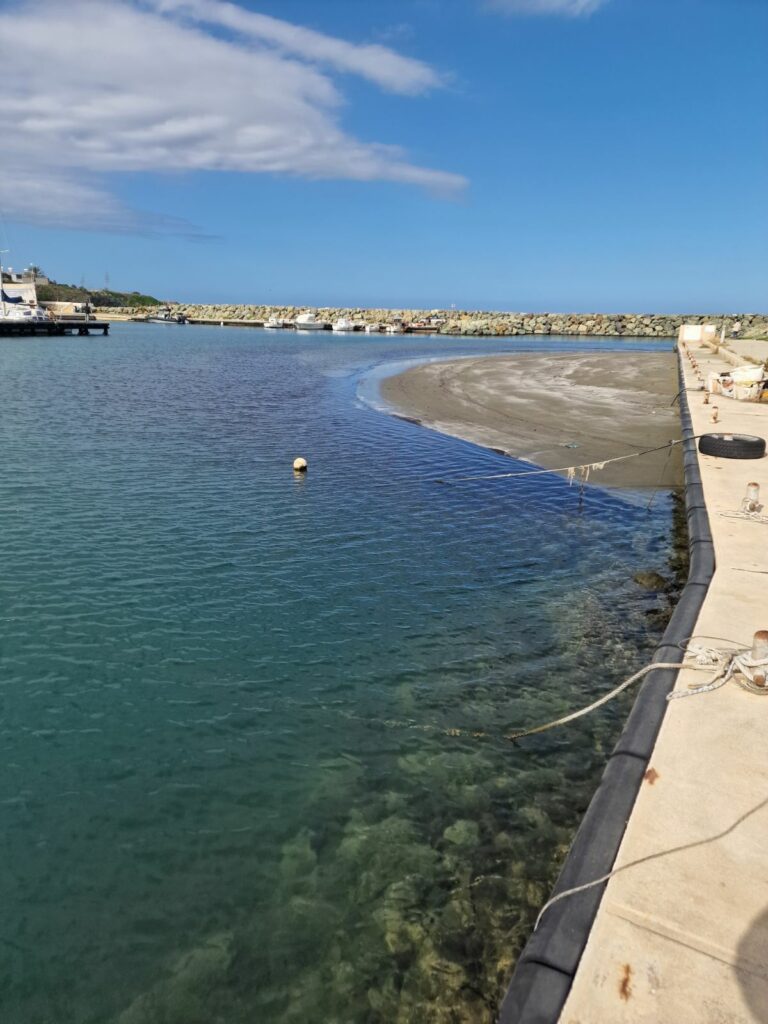
The Kato Pyrgos fishing shelter is owned by the Department of Fisheries and Marine Research. The project aims for the complete redesign and modernization of existing port facilities through the implementation of comprehensive technical interventions.
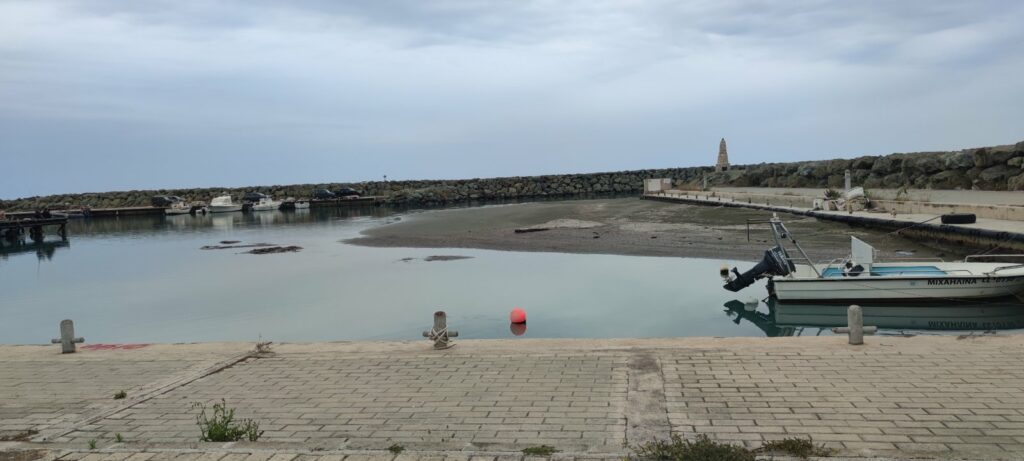
Specifically, it includes improvement measures and projects to address the longstanding problem of sediment accumulation and dead leaves of Posidonia at the entrance and within the fishing shelter basin. The current situation makes regular dredging and cleaning of the site necessary, with the related cost amounting to approximately €400,000 to €500,000 every one and a half to two years.
Through the proposed interventions, the aim is to effectively address the accumulation of Posidonia sediment and dead leaves in the entry and exit channel, as well as to ensure the necessary useful depth in the refuge's basin. In this way, safer and easier conditions for mooring and moving fishing vessels will be ensured, reducing the risk of damage or accidents. At the same time, the planned interventions aim to improve the renewal of waters within the harbour basin.
At the same time, the study's plans include the construction of access roads along the two port arms to ensure the possibility of land access for cleaning and maintenance work at the entrance and exit of the harbour basin, whenever deemed necessary. This provision becomes especially important in cases of long-term or repetitive work, as it will allow them to be carried out from land without requiring the use of watercraft, significantly facilitating the maintenance process and reducing related operational difficulties.
Specifically, the project includes improvement measures and interventions to address the longstanding problem of sediment accumulation and dead leaves of Posidonia at the entrance and within the fishing shelter basin.
Of particular significance is the fact that the final plans for the study were developed in collaboration with the National Technical University of Athens (NTUA). As part of this collaboration, a technical model of the fishing shelter was built, which underwent an experimental simulation in a special test tank. This process allowed for the scientific evaluation of the behaviour of waves and sea currents, contributing to the finalization of the most suitable layout of port facilities.
What the coastal engineering study revealed
The fishing shelter is located on the northwestern coastal front of Cyprus, at the western end of the Gulf of Morphou, specifically at the location 'Limiona', in Pyrgos Tyllirias.
According to the results of the coastal engineering study, maintaining the existing condition shows a trend of sand and seaweed deposition at the base of the leeward mole. This phenomenon is linked to the eastern and northeast waves, which create coastal currents of lower intensity but directed toward the refuge's entry and exit channel.
The government proves in practice that Tylliria is part of its development planning. Promoting a project of such economic and technical scope is not merely an intervention in port infrastructure, but a substantial investment in the region's prospects, security, and sustainable development. It is a project with long-term benefits for the people of Tillyria, who deserve modern infrastructure and equal opportunities for development.
The completion of the contract signing process marks a decisive step toward the realization of a project that Tillyria has been awaiting for years and which aspires to become a benchmark for its new developmental path.
