
Six organizations and government agencies are joining forces to protect the Griffon Vulture, Bonelli's Eagle and the Long-legged Buzzard, three important birds of prey in Cyprus which are still threatened by poisoned baits, electric shocks, impacts on energy infrastructure, shooting and drowning in open tanks.
The 'Raptors for LIFE' project will officially launch in October 2026 and will be co-funded by the European Union's LIFE programme. The lead partner is BirdLife Cyprus, with the participation of the Game and Fauna Service, the Vulture Conservation Foundation, the General Chemical State Laboratory, the Cyprus Police and the Electricity Authority of Cyprus.
The main goal is the long-term conservation of the three species through targeted actions to reduce the causes that increase their mortality.
Only 37 Vultures in Cyprus
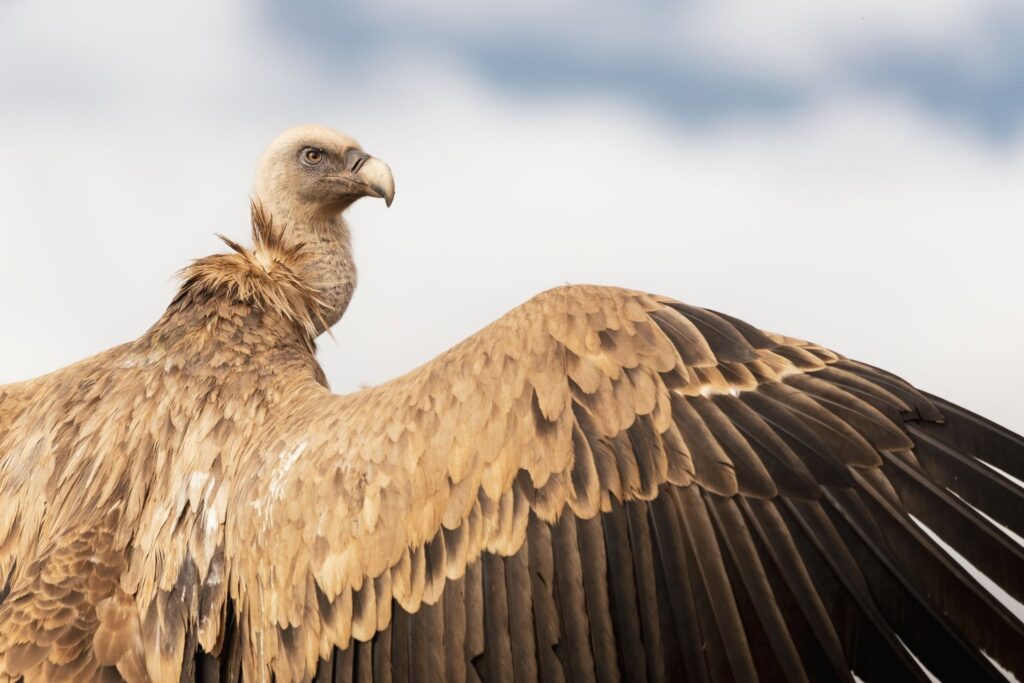
The situation of the Griffon Vulture remains particularly critical, whose population in Cyprus numbers only 37 individuals. Poisoned baits and electric shocks are currently considered the most important threats to its survival.
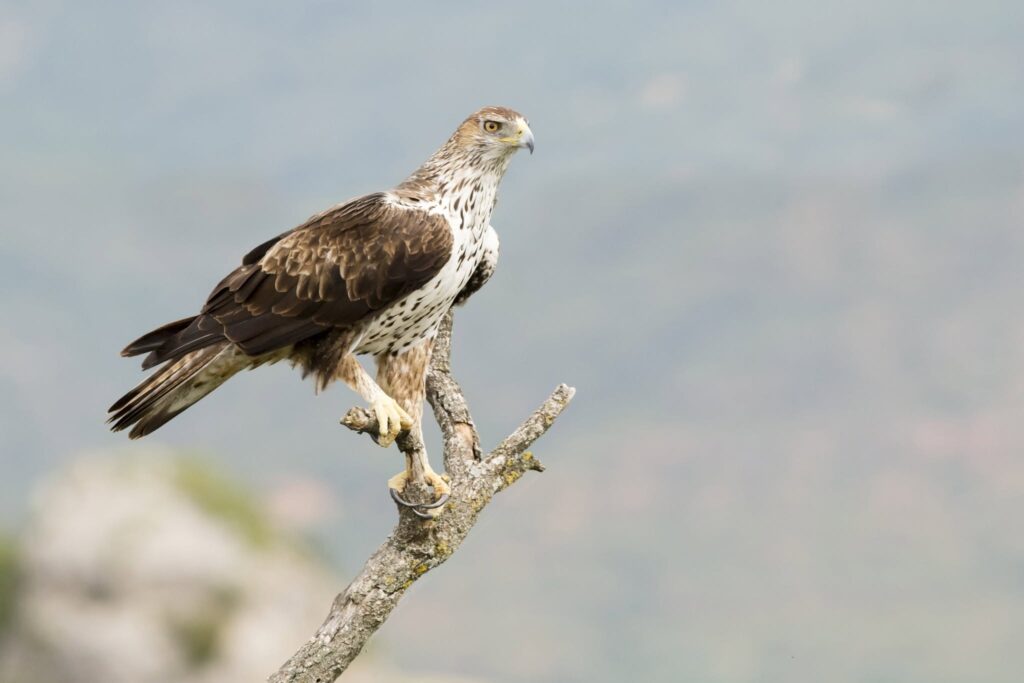
Bonelli's eagle, the only eagle still nesting on the island, also faces persecution, poisoning, and the dangers associated with energy infrastructure.
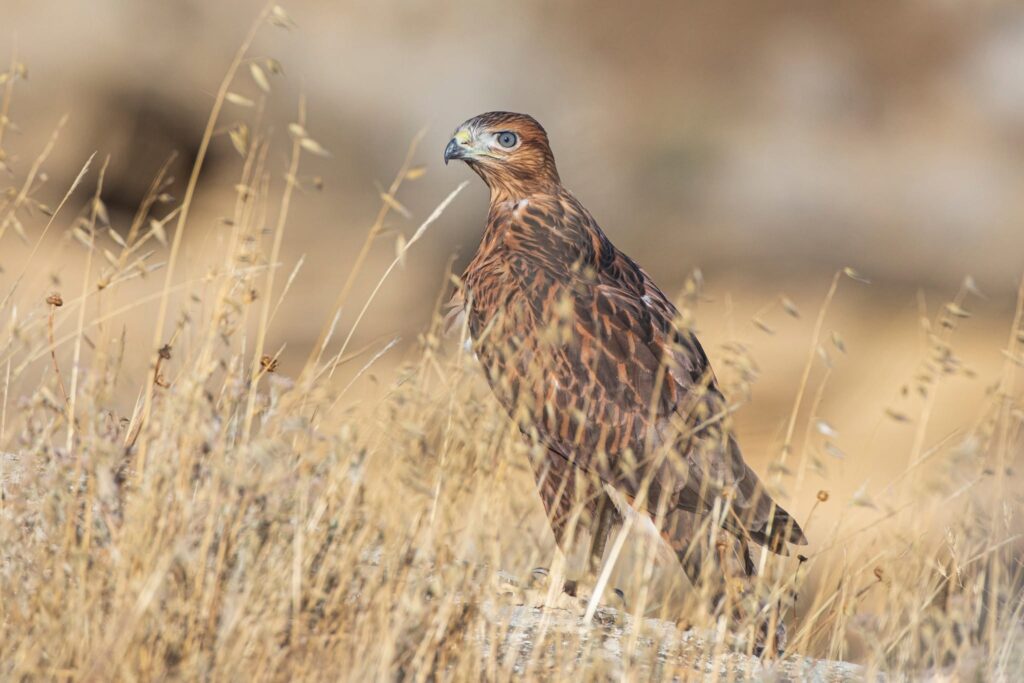
The Eagle Buzzard has expanded its presence in Cyprus in recent decades, but it is still threatened by gunfire, electric shocks, bumps and drownings. Scientists point out that further study of the species and the risks it faces is needed.
The situation of the Griffon Vulture remains particularly critical, whose population in Cyprus numbers only 37 individuals. Poisoned baits and electric shocks are currently considered the most important threats to its survival.
Bonelli's eagle, the only eagle still nesting on the island, also faces persecution, poisoning, and the dangers associated with energy infrastructure.
The Eagle Buzzard has expanded its presence in Cyprus in recent decades, but it is still threatened by gunfire, electric shocks, bumps and drownings. Scientists point out that further study of the species and the risks it faces is needed.
Continuation of previous successful actions
The new project builds on the experience and results of the recently completed "LIFE with Vultures" and "LIFE Bonelli's eastMed" projects, which contributed to a better understanding of the causes of death of the Vulture and Bonelli's Eagle.
Through the previous actions, the population of vultures was strengthened by transporting and releasing birds from Spain. At the same time, cooperation between the competent services for the prevention and treatment of the illegal use of poison baits has been improved.
"Raptors for LIFE" expands interventions to all three species, with a particular focus on institutional cooperation and the involvement of state authorities as official partners.
The actions planned
The project will enhance the ability to detect poisons in baits through the purchase of new equipment and the provision of specialized training. Analyses will also be carried out to identify new or unexpected poisons and to ensure reliable scientific evidence that can be used in criminal proceedings.
It is also planned to create an additional Poison Bait Detection Team with a specially trained dog, as well as the marking and monitoring of birds of prey with GPS transmitters.
Interventions will also be carried out at dangerous points of the electricity transmission and distribution network, with the aim of reducing electric shocks and collisions. At the same time, measures will be implemented to prevent drownings in open water tanks.
The program also includes the release of additional vultures, the improvement of the procedures for the investigation and prosecution of wildlife crimes and the strengthening of the know-how of the involved bodies through trainings and collaborations with foreign organizations.
Information and participation of local communities
Particular emphasis will be placed on the information and active participation of hunters, livestock breeders, farmers, rural residents, students and the general public.
The project promoters point out that the protection of predators does not depend only on interventions in nature, but also on the coordination of the competent services, the implementation of legislation, the scientific knowledge and the cooperation of people living and working in the countryside.
"Raptors for LIFE" aspires to create safer conditions for the large predators of Cyprus and to contribute, at the same time, to the preservation of biodiversity and the protection of ecosystems and communities of the Cypriot countryside.
The project will enhance the ability to detect poisons in baits through the purchase of new equipment and the provision of specialized training. Analyses will also be carried out to identify new or unexpected poisons and to ensure reliable scientific evidence that can be used in criminal proceedings.
It is also planned to create an additional Poison Bait Detection Team with a specially trained dog, as well as the marking and monitoring of birds of prey with GPS transmitters.
Interventions will also be carried out at dangerous points of the electricity transmission and distribution network, with the aim of reducing electric shocks and collisions. At the same time, measures will be implemented to prevent drownings in open water tanks.
The program also includes the release of additional vultures, the improvement of the procedures for the investigation and prosecution of wildlife crimes and the strengthening of the know-how of the involved bodies through trainings and collaborations with foreign organizations.
Information and participation of local communities
Particular emphasis will be placed on the information and active participation of hunters, livestock breeders, farmers, rural residents, students and the general public.
The project promoters point out that the protection of predators does not depend only on interventions in nature, but also on the coordination of the competent services, the implementation of legislation, the scientific knowledge and the cooperation of people living and working in the countryside.
"Raptors for LIFE" aspires to create safer conditions for the large predators of Cyprus and to contribute, at the same time, to the preservation of biodiversity and the protection of ecosystems and communities of the Cypriot countryside.
