
A pioneering operation for Cypriot standards took place on Friday morning, with the marking of a Griffon Vulture chick with a ring and a GPS transmitter, while the bird was still in its nest.
The chick is the first chick of Molly and Ramon, two Vultures that were brought from Spain as part of efforts to strengthen the Cypriot population of the species. According to BirdLife Cyprus, its birth is an important milestone for the protection and rehabilitation of the Vulture population in Cyprus.
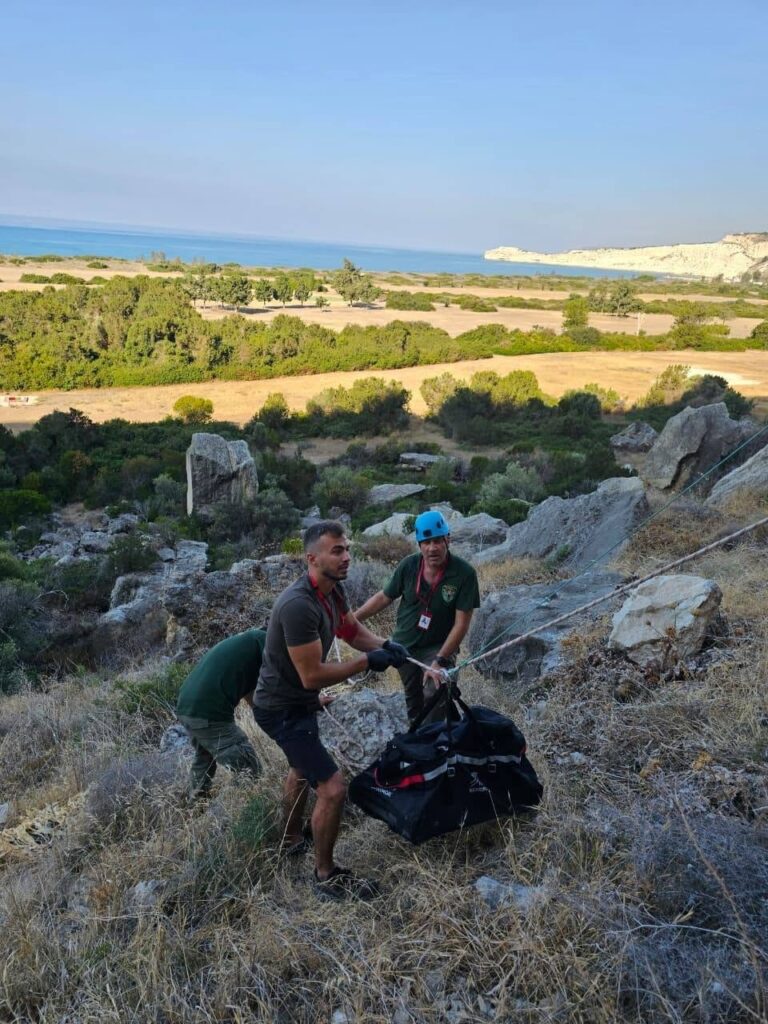
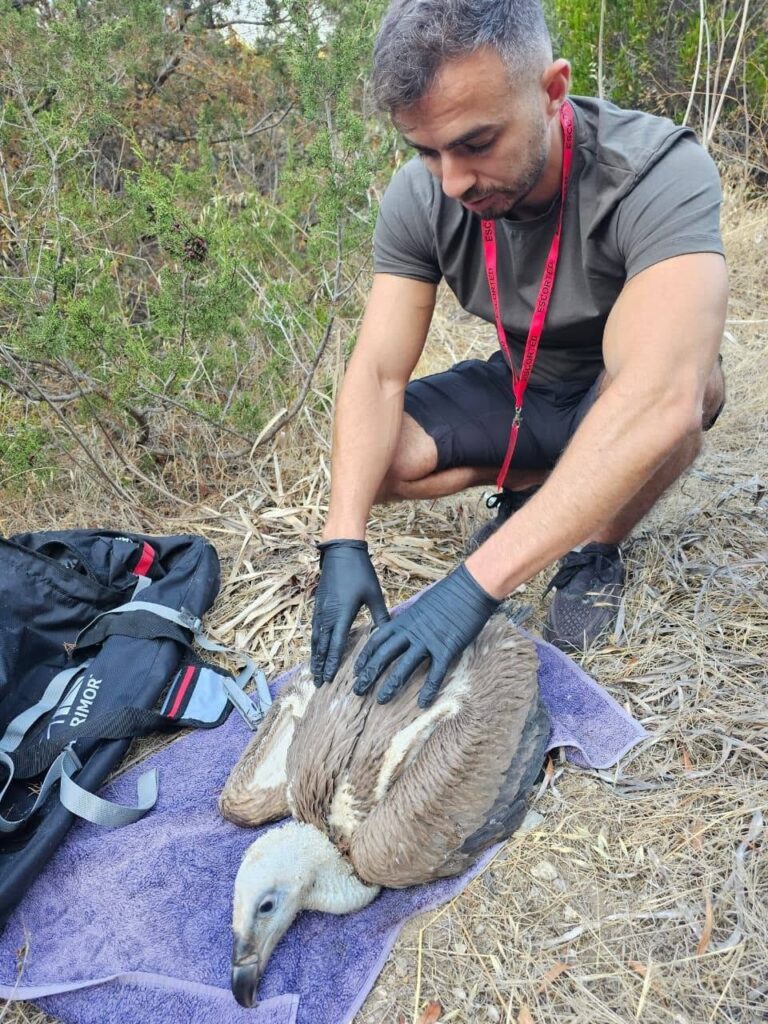
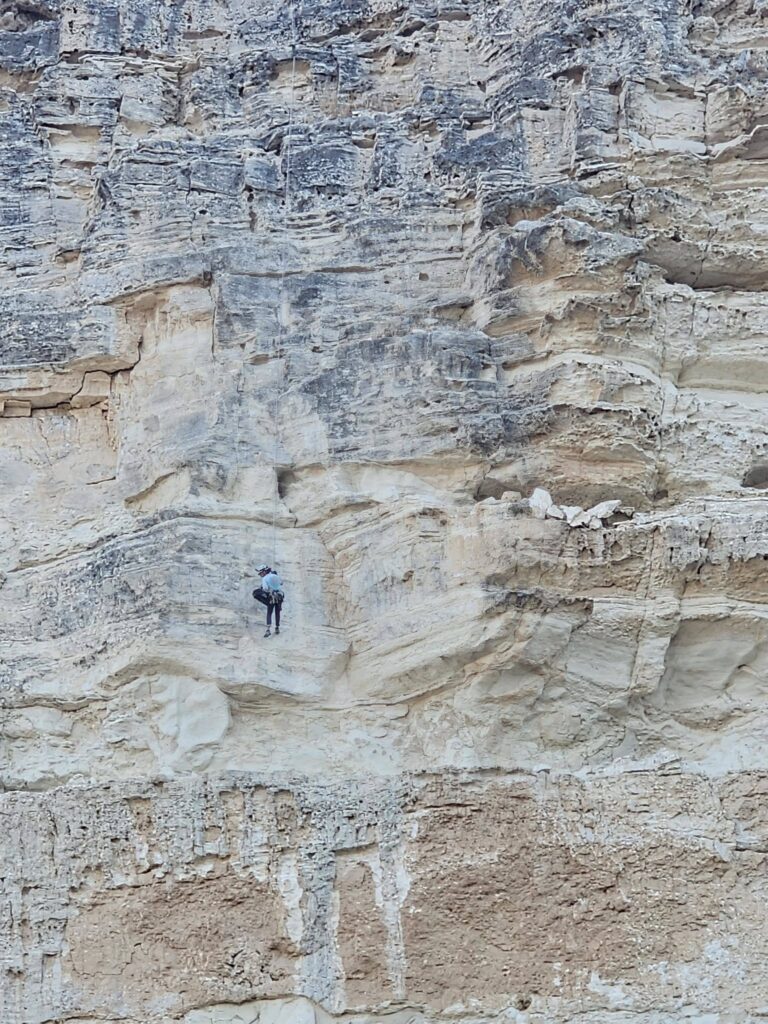
The operation began at 6 in the morning and was preceded by systematic monitoring of the nest to confirm that the chick was at the appropriate age, about 90 days old. Previous visits to the area had also been carried out, while permission was obtained from the British Bases.
A professional climber descended to the nest and carefully carried the chick to the group lying on the ground. An officer of the Game and Fauna Service placed the ring and the GPS transmitter on the bird.
The chick was examined by a veterinarian, who determined that it was in excellent condition. At the same time, samples were taken to determine his sex, as well as to carry out toxicological analyses.
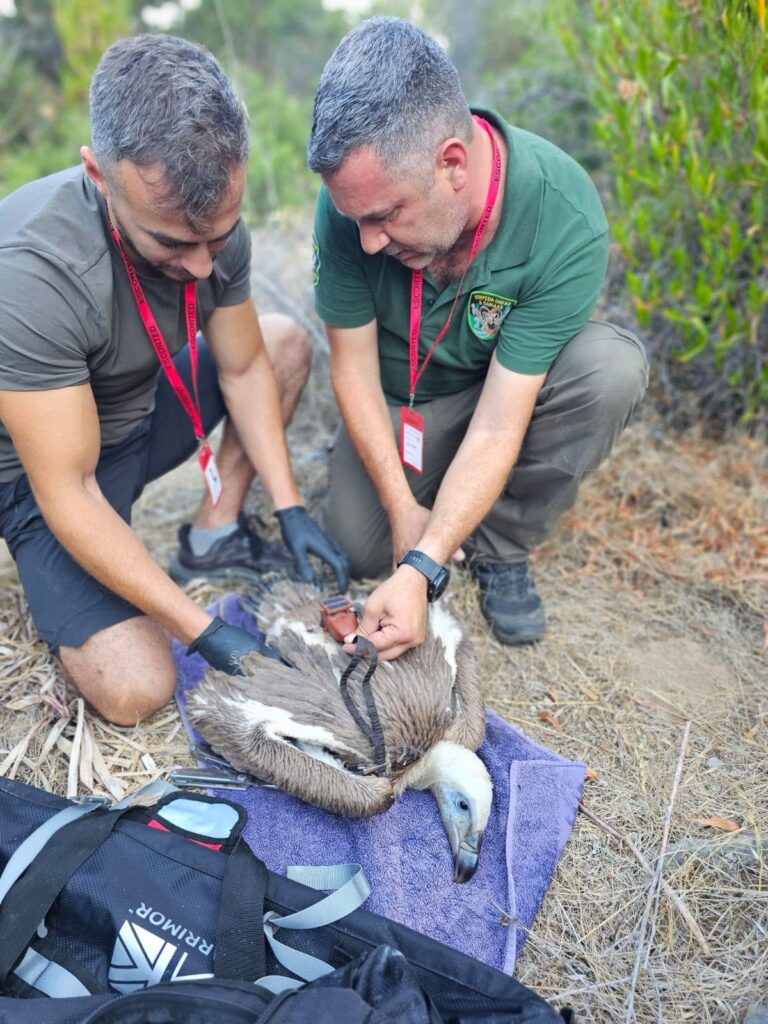
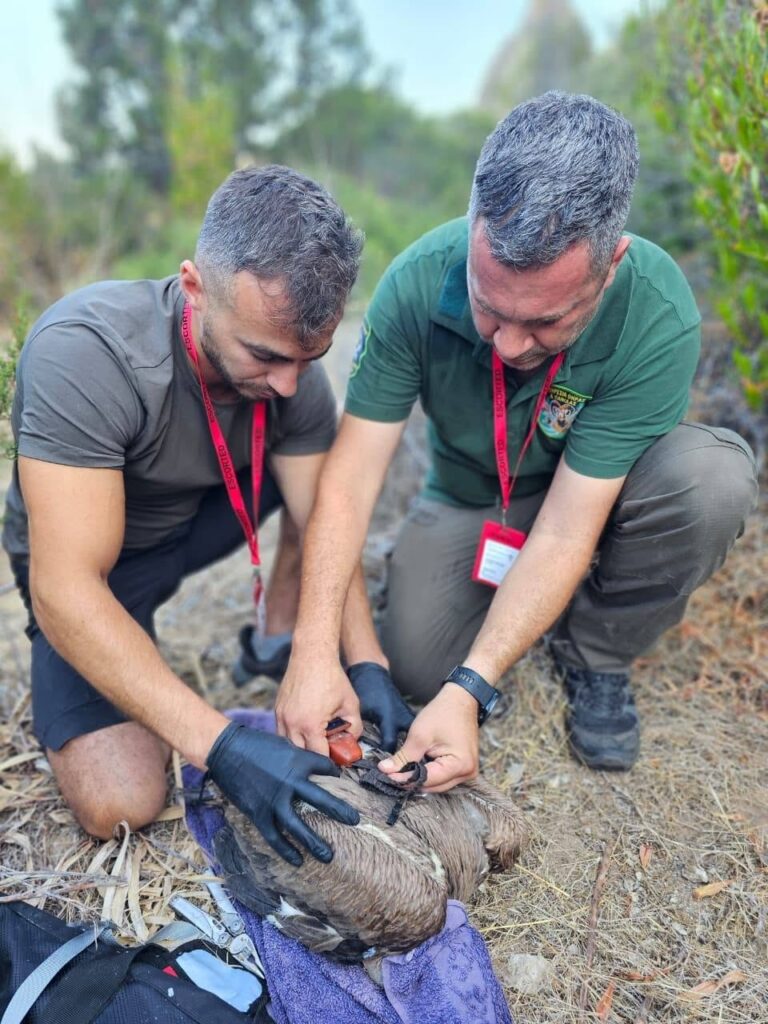
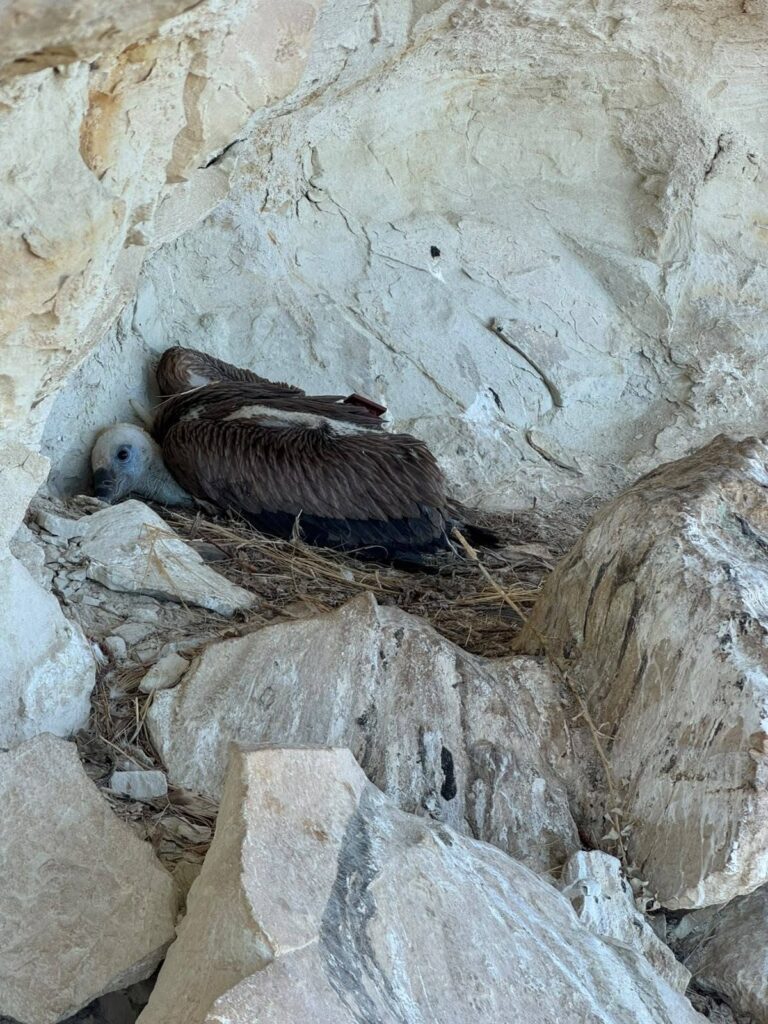
Through the GPS transmitter, the movements and survival of the young Vulture will be monitored after it leaves the nest. The data collected should contribute to a better understanding of the species' behaviour and to more effective protection measures.
The procedure was completed in about two hours, in order to minimize the discomfort. The chick returned safely to the nest, while the team moved away from the area and continued to monitor from a distance, until the return of its parents was confirmed.
The action was coordinated and funded by BirdLife Cyprus, with permission from the British Bases and in the presence of the Chief Officer and members of the Environment Department team of the Bases.
"From Molly and Ramon, to a new Griffon Vulture that is slowly preparing to spread its wings over the Cypriot countryside," reports BirdLife Cyprus.
