
The sad and tragic incidents of recent weeks against women have brought the issue of femicides and gender-based violence back to the forefront. "Go away is my wife," the police officer told an eyewitness who tried to protect his wife last Tuesday, shortly before shooting her four times. A phrase that captures the perception of many men - and not only - even today. That is, that their spouses or partners are their property.
At the same time, the chapter "gun ownership" was reopened and highlighted very serious gaps in the assessment of the mental health of all those who have the opportunity to use weapons in Cyprus. Either at work, or for their military obligations, or for the traditional sport of Cypriots – hunting.
Two attempts in 2026
The case in Zakaki, where the police officer shot his 46-year-old wife outside a school before ending his own life, was the second femicide attempt for 2026. The first case concerns an attempted murder committed on 27/06/2026 in Nicosia, when a 35-year-old man from Syria, who is wanted by the Police, allegedly injured his ex-wife and mother-in-law with a sharp object, specifically a knife. The two cases shocked Cypriot society within a few days of only one another.
16 cases in six years
According to data cited by the Police, from 2020 to 2025, 16 femicides were committed with 17 victims, since in one case there were two victims. Specifically, we had five victims in 2020, five in 2021, two in 2022, one in 2023, one in 2024 and three in 2025. In total, the number of femicide cases was 16: five in 2020, four in 2021, two in 2022, one in 2023, one in 2024 and three in 2025.
647 victims in accommodation facilities in 2025
Regarding the number of women victims of violence hosted in accommodation facilities throughout Cyprus, the President of the National Coordinating Body for the Prevention and Combating of Violence against Women said that, from data drawn from the Association for the Prevention and Handling of Violence in the Family (SPAVO), which operates accommodation facilities for victims of violence on a nationwide basis with a state grant from the Deputy Ministry of Social Welfare, In 2025, a total of 300 women and 347 children (their minor children) were accommodated, i.e. a total of 647 persons.
The term femicide
Femicide, based on the definition given by the European Institute for Gender Equality, is the murder of women and girls because of their gender. The United Nations and the World Health Organization point out that most femicides are not "crimes of passion", but the last stage of an escalation of gender-based or domestic violence. The term is used by international organizations such as the United Nations, the World Health Organization, and the Council of Europe, primarily as a tool for recording, research, and policymaking.
The 2022 legislation
In 2022, Cyprus introduced the offence of femicide, including it in the Law on the Prevention and Combating of Violence against Women and Domestic Violence. According to the legislation, a person who causes the death of a woman by an illegal act or omission commits the crime of femicide and is subject to life imprisonment.
In addition to the aggravating circumstances provided for in Article 11 of the Criminal Code, the court takes into account as an aggravating factor, when determining and imposing the sentence, whether the woman's death occurred as a result of violence by a sexual partner, torture or violence due to misogyny, domestic violence, violence for reasons of honour or religious beliefs, as well as violence due to sexual orientation or gender identity.
Aggravating circumstances also include cases in which the death occurred in the context of female genital mutilation, violence for the purpose of or in the context of sexual exploitation, trafficking in human beings, drug trafficking or organised crime. Aggravating factors are also considered the exercise of violence to achieve illicit intercourse, as well as targeted violence against women in the context of armed conflicts.
Many tens of thousands of men with access to weapons
The new attempt committed in the middle of the street and outside a school in Zakaki, has reopened a long-standing debate about gun ownership.
Cyprus, according to a 2018 survey by the Small Arms Survey presented by the BBC in 2022, ranks fifth in the world in the proportion of residents who own a gun. At that time, it is estimated that our country had 34.7 firearms in private hands per 100 inhabitants. These are sensational data, but there is an explanation, given the Turkish occupation and the data on the ground, since the country is in a de facto ceasefire.
Another element that has its own importance is the hunting culture in Cypriot society, especially in rural areas.
As far as the case of Police Officers is concerned, in order for someone to be able to use a weapon, they must hold a certificate of carrying a weapon, which is issued without psychometric tests. Subsequently, there are three categories.
> The first concerns the temporary issue, where weapons are charged only for the time of duty.
>The second concerns the season tickets concerning some front-line units that are entitled to seek approval from the Chief to have the pistol in their possession for 24 hours.
> The third category concerns personal security publications. This includes specific exceptions with the approval of the Chief, for which it is deemed necessary for their own personal safety, possibly for their professional contact with sensitive issues.
Under today's data, the only time Police Officers undergo psychometric examinations is during their recruitment process. This examination is not repeated later, in order to determine that these persons are still mentally healthy.
Regarding military rifles, due to the frozen Cyprus problem, the National Guard considers it necessary for all reservists who were deemed capable of using them to have weapons. As a result, several tens of thousands of reserve soldiers in Cyprus have a rifle or machine gun at home, without any mental health examination after completing their compulsory service in the army.
In relation to hunting weapons, in order to issue a hunting license, a certificate from a registered Doctor is required that the applicant is physically and mentally healthy. The hunting license has an expiration date and needs to be renewed every year.
The position of the Police
The public debate and the concern about the mental health of law enforcement officers provoked a reaction from the Police, which deemed it appropriate to defend its position. In a statement, it was underlined that "the Police do not leave issues related to the mental health and well-being of its members to their fate". It was also pointed out that the Police has an institutionalized Human Resources Support Branch, staffed with registered psychologists, which provides psychological support, implements prevention and education programs and, where the conditions provided by the current institutional framework are met, the prescribed procedures are activated for the protection of both the members themselves and third parties.
In the meantime, the Police branch of the ISOTITA union, through its president Nikos Loizidis, supports the position that a protocol should be introduced, based on which a mental health review will be required for members of the Police who use weapons at regular intervals.
What psychologists recommend
It is also worth noting the position of the Association of Psychologists in Cyprus, on the need to establish a clear framework for continuous evaluation and support of the members of the Police, especially in relation to the possession and renewal of the possibility of carrying weapons. They also indicate that systematic individual and group psychological support is particularly important for departments that come into contact with vulnerable populations or are exposed to traumatic incidents and aggravating material.
Dr. Andri Andronikou: Three femicides a year in Cyprus
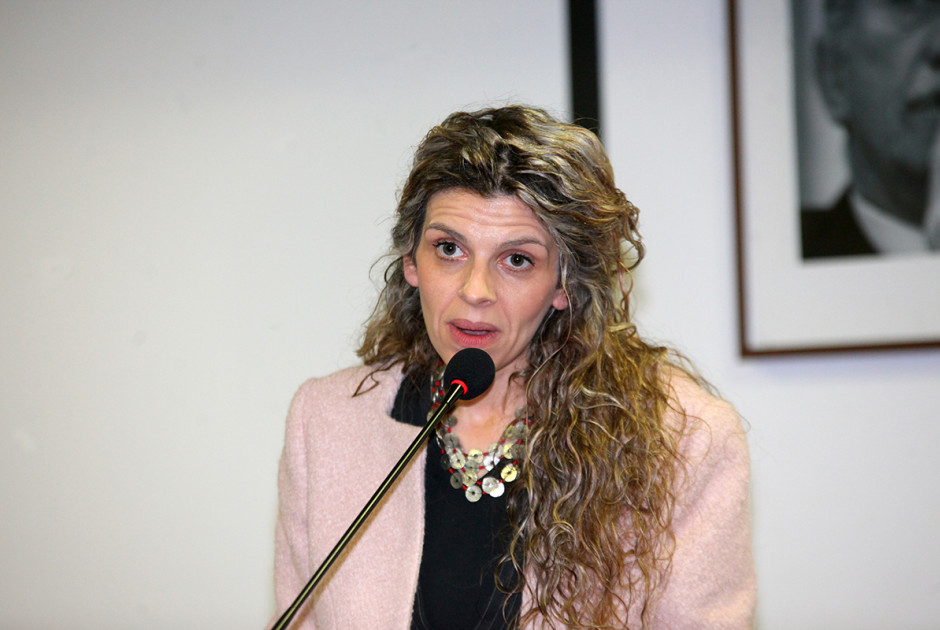
Scientific Director of SPAVO
According to World Data, every 9 seconds a woman is abused, every 10 minutes a femicide occurs, 3-4 million women are beaten every year while abuse occurs in all ages, borders, nations, races, or social and educational classes.
From the data we have at our disposal from research studies, bibliographic textbooks and statistical data, in Cyprus it is estimated that from 1966 until today we list about 3 femicides per year.
The estimate from 1966 – 2019 has not been officially recorded since until recently there was no legal definition of femicide in our country, several cases were simply recorded as homicides, there was no single national register of femicides and older cases were not classified based on current scientific criteria.
The international literature and practice distinguishes femicide from general homicide, because the motive is linked to gender dominance, control, possessiveness and domestic violence. The vast majority of femicides are committed by a current or former partner or other family member of the female victims.
Femicide is not a random event but the final stage of a continuous escalation of gender-based violence. In most cases, it is preceded by repeated incidents of psychological, physical, sexual and financial abuse, which gradually intensify until the fatal end. This approach is adopted by the United Nations Office on Drugs and Crime and UN Women, GREVIO, International Textbooks, which characterize femicide as the most extreme and predictable form of gender-based violence.
The most common high-risk factors are associated with:
A history of domestic violence
intense jealousy and possessiveness
Forced control
death threats
strangulation or attempted strangulation
Stalking and harassment)
violation of restrictive decrees
alcohol or substance abuse
access to firearms or other lethal means.
Abuse or killing of animals present in the home
Withdrawal of complaints
Failed attempts to escape from victims
Violence in the presence of children or directly towards children
Abuse during pregnancy
Most femicides can be predicted, as they are preceded by specific high-risk indicators that should be identified and evaluated early.
The greatest risk of femicide occurs when the woman attempts to leave the relationship, when she communicates her intentions to separate or immediately after the separation. A significant percentage of femicides are committed within the first months or the first year after the breakup of the relationship.
The residence is the most common place of femicide. However, it is not uncommon for the perpetrator to choose and organize a different place for the commission of the act, attracting the victim to a pre-planned meeting or setting up a trap for him.
Similarly, there is a significant number of perpetrators who seek with clear planning and intent to take the lives of women without causing their death. These women who survive extreme incidents of violence are often called upon to live with severe physical disabilities, neurological damage, chronic pain and deep mental trauma.
Extreme violence leaves behind people in need of long-term medical care, rehabilitation, psychological support and social support. It also leaves children, families and communities who are called upon to manage the consequences for many years.
The protection of the victims does not end with their rescue. There begins a new, difficult path, in which the State must be by their side.
The Cypriot experience, therefore, does not differ substantially from the standards recorded in Europe and internationally, which reinforces the view that femicide is a structured form of gender-based violence and not an isolated criminal event.
Through the National Helpline 1440, every month 110 calls related to domestic violence are recorded. With the escalation of violence in the last 3 months reported in 51% of cases.
Contacting the helpline is often the first step towards protecting the victim and activating the available social and legal support mechanisms.
EVERY DAY 4 families reveal they are in danger due to domestic violence
EVERY DAY 4 perpetrators are revealed by the victims or by the witnesses for the crime they have committed
Through the Shelters, it is demonstrated that every month an average of 64 victims (30 women victims and 34 children victims of domestic violence) are safely cared for throughout Cyprus.
From the Woman's House, every month about 31 women victims of gender-based and domestic violence receive support services and every month 7 women victims are at the SPAVO Counselling Service
Every month, 20 requests for help due to domestic violence are reported through the SPAVO live chat service, sms 99 98 4042 and the main email.
The figures are extremely worrying, especially considering that a significant proportion of incidents are never reported to the competent authorities. In addition, it has been found that many women may suffer repeated incidents of abuse, even up to thirty times, before seeking help. This fact suggests that gender-based violence remains largely invisible, highlighting the extent of the phenomenon and the need for more effective prevention, early intervention and victim protection mechanisms.
The next day finds us with important steps that we must take in order to avoid femicides
intense jealousy and possessiveness
Forced control
death threats
strangulation or attempted strangulation
Stalking and harassment)
violation of restrictive decrees
alcohol or substance abuse
access to firearms or other lethal means.
Abuse or killing of animals present in the home
Withdrawal of complaints
Failed attempts to escape from victims
Violence in the presence of children or directly towards children
Abuse during pregnancy
Most femicides can be predicted, as they are preceded by specific high-risk indicators that should be identified and evaluated early.
The greatest risk of femicide occurs when the woman attempts to leave the relationship, when she communicates her intentions to separate or immediately after the separation. A significant percentage of femicides are committed within the first months or the first year after the breakup of the relationship.
The residence is the most common place of femicide. However, it is not uncommon for the perpetrator to choose and organize a different place for the commission of the act, attracting the victim to a pre-planned meeting or setting up a trap for him.
Similarly, there is a significant number of perpetrators who seek with clear planning and intent to take the lives of women without causing their death. These women who survive extreme incidents of violence are often called upon to live with severe physical disabilities, neurological damage, chronic pain and deep mental trauma.
Extreme violence leaves behind people in need of long-term medical care, rehabilitation, psychological support and social support. It also leaves children, families and communities who are called upon to manage the consequences for many years.
The protection of the victims does not end with their rescue. There begins a new, difficult path, in which the State must be by their side.
The Cypriot experience, therefore, does not differ substantially from the standards recorded in Europe and internationally, which reinforces the view that femicide is a structured form of gender-based violence and not an isolated criminal event.
Through the National Helpline 1440, every month 110 calls related to domestic violence are recorded. With the escalation of violence in the last 3 months reported in 51% of cases.
Contacting the helpline is often the first step towards protecting the victim and activating the available social and legal support mechanisms.
EVERY DAY 4 families reveal they are in danger due to domestic violence
EVERY DAY 4 perpetrators are revealed by the victims or by the witnesses for the crime they have committed
Through the Shelters, it is demonstrated that every month an average of 64 victims (30 women victims and 34 children victims of domestic violence) are safely cared for throughout Cyprus.
From the Woman's House, every month about 31 women victims of gender-based and domestic violence receive support services and every month 7 women victims are at the SPAVO Counselling Service
Every month, 20 requests for help due to domestic violence are reported through the SPAVO live chat service, sms 99 98 4042 and the main email.
The figures are extremely worrying, especially considering that a significant proportion of incidents are never reported to the competent authorities. In addition, it has been found that many women may suffer repeated incidents of abuse, even up to thirty times, before seeking help. This fact suggests that gender-based violence remains largely invisible, highlighting the extent of the phenomenon and the need for more effective prevention, early intervention and victim protection mechanisms.
The next day finds us with important steps that we must take in order to avoid femicides
-Adoption of a National Protocol / Risk Assessment Tool for all services involved.
-Establishment of a supervisory authority and a system for monitoring the implementation of decrees
-Full implementation of the legislation in the case of disobedience of decrees. Issuance of an arrest warrant and immediate registration of the case before the Court.
-Expansion of the operation of the Women's House and the accommodation facilities throughout Cyprus
-State compensation for victims and orphans
-Immediate adjudication of domestic and gender-based violence cases
-Criminal treatment should not depend solely on the victim's desire to continue the proceedings or not.
-The withdrawal of the complaint by the victim in the cycle of violence should not lead to a weakening of the criminal treatment of the perpetrator by the court, especially when the evidence in the criminal file demonstrates the seriousness of the violence perpetrated, the dangerousness of the perpetrator and the increased risk of repetition of the acts against the victim. The court's assessment should equally focus on the public interest in preventing further violence and effectively protecting the lives and physical integrity of victims.
-Every organization, department, service, body that has personnel with powers and access to weapons, must have very strong and continuous mechanisms for assessing the suitability of a person for possession and use of service weapons. The same applies to the use of a shotgun in the wider population that the state should ensure.
-Institutionalization of procedures for the support of orphans and witnesses. Recognition of children orphaned by femicide as direct victims of crime, The creation of a special protocol for their immediate support. The establishment of an interdepartmental team (Social Welfare Services, Health, Education, Police, Mental Health Services) that will automatically undertake any such case, and the creation of a special support fund to cover their therapeutic, educational and basic needs.
-Establishment of an Independent Multidisciplinary Group for the Prevention of Femicide. Independent multidisciplinary review of femicides committed to investigate weaknesses and omissions with the aim of formulating binding recommendations to prevent similar crimes. It is considered today one of the most important prevention tools, because it turns every femicide into a source of institutional learning and leads to specific changes in the policies and practices of the services involved.
Every woman who is saved is a victory for the whole of society. A state is truly considered a winner when it never has to go so far as to prevent the ultimate crime.
Simos Angelidis: The peculiar offense of femicide
Every woman who is saved is a victory for the whole of society. A state is truly considered a winner when it never has to go so far as to prevent the ultimate crime.
Simos Angelidis: The peculiar offense of femicide
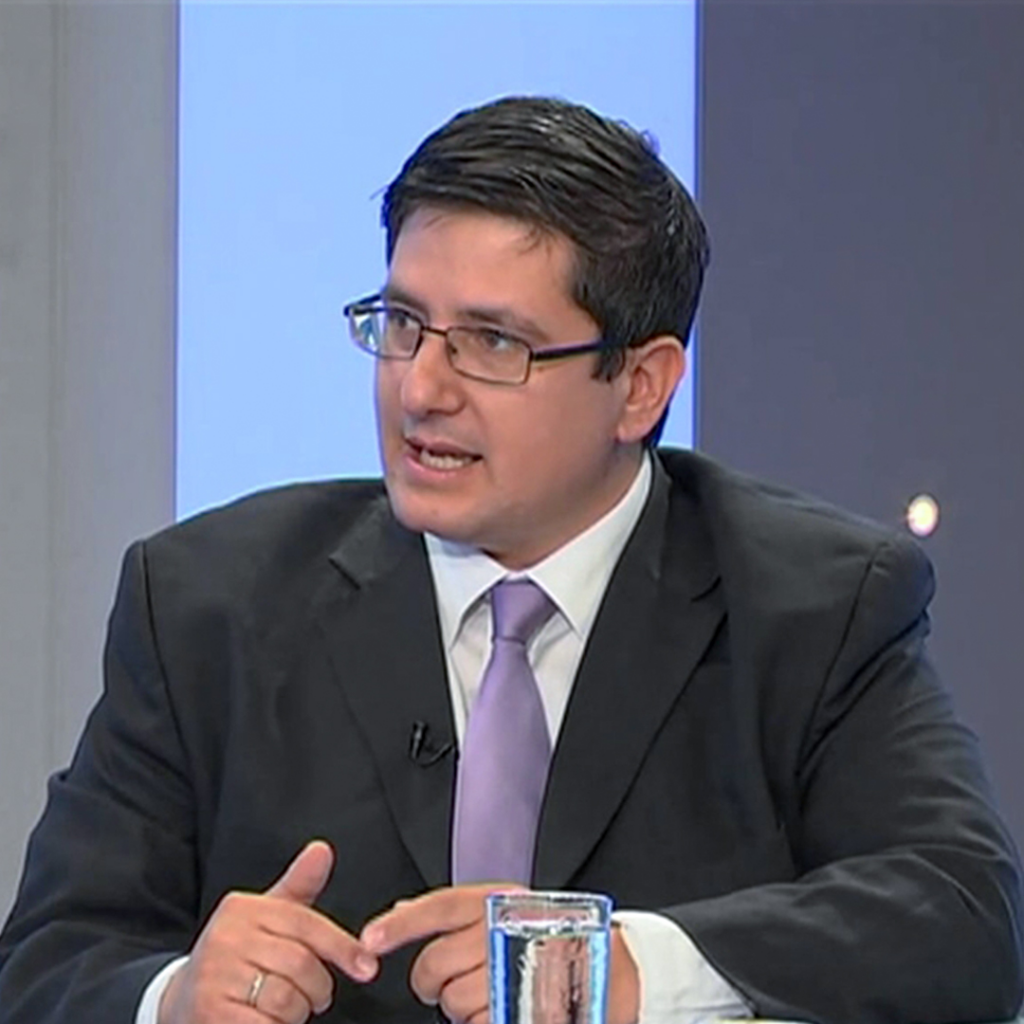 Lawyer
The introduction of the offense of femicide as an independent, special offense, punishable by life imprisonment in the Cypriot legal order, with Law 117(I)/2022 which amended the Prevention and Combating of Violence against Women and Domestic Violence Law of 2021, is a milestone and a top step towards the promotion of gender-based violence as a structural phenomenon. Cyprus is among the first European countries to proceed with such a legislative regulation, which has a deep socio-legal significance with a strong symbolic and substantial character.
According to Article 10A, "a person who causes the death of a woman by an unlawful act or omission is guilty of the crime of femicide and is subject to life imprisonment". The provision covers both active acts and culpable omissions.
The main reason for the creation of the offense was the need to recognize the gender dimension of certain homicides, but also the compliance with modern European and international trends in the protection of women from violence and the harmonization with the Istanbul Convention. At the same time, special standardization allows for a more accurate and separate recording of incidents, the development of more effective prevention and information policies and the effort to change outdated social perceptions that often "justify" such crimes through narratives such as "crime of passion".
The legislative option is a tool that enables the judiciary to document that a woman was murdered simply because she was a woman, highlighting the difference between general violence and gender-motivated violence and the inability of the traditional definition of murder to capture this deeper motive.
Interpretatively, femicide in Cyprus is not just a homicide with a female victim. The subjective element of gender discrimination or power relations is required. The judge is called upon to assess the background of the perpetrator-victim relationship. Proof of "hatred against women" is not necessarily required as a subjective element, it is enough to cause the death of a woman through illegal behaviour. The court takes into account aggravating factors such as intimate partner violence, misogyny, domestic violence, reasons of honour, religious beliefs, sexual orientation or gender identity, as well as genital mutilation. If the murder has been committed in this context, then the act goes beyond the general framework of common homicide and is specialized as femicide.
In conclusion, femicide as a specific offense strengthens the protection of women, promotes substantive equality and sends a clear message of intolerance.
