
The idea of a simple blood test that can detect multiple forms of cancer before symptoms even appear has been one of the biggest "holy grails" of oncology for decades. Despite continuous scientific advancements, creating a reliable test that could detect different types of cancer early remained an elusive goal. Now, a new announcement from an Austrian biotechnology company comes to rekindle hopes, while arousing intense interest and reservations in the international scientific community.
Wholomics presented at the annual conference of the American Society of Clinical Oncology in Chicago data on a new blood test that, according to its creators, can detect up to 95% of early-stage tumours for 13 different types of cancer. The announcement was described as impressive, as it concerns a field in which dozens of research groups and pharmaceutical companies have been investing billions of dollars in recent years.
Where do they base their optimism
The researchers base their optimism on an analysis of data from about 1,400 people. However, the study has not yet gone through the evaluation process by independent scientists, which means that the results remain preliminary. At the same time, there is still no evidence that early diagnosis through this method ultimately translates into longer survival of patients or a reduction in mortality.
Nevertheless, the announcement comes at a time when global research into so-called multiple cancer screening tests is at a critical juncture. These tests, known internationally as MCED (Multi-Cancer Early Detection), attempt to discover traces of cancer cells in the blood before the disease is detected by other methods.
Interestingly, the introduction of Wholomics coincided with a less encouraging development for the industry's best-known program, the Galleri test. This test, which aspires to detect more than 50 different forms of cancer through DNA fragments released by tumours into the bloodstream, has been tested for years in the UK.
More than 142,000 citizens aged 50 to 79 participated in one of the largest clinical trials of its kind in the world, giving annual blood samples. However, the first results showed that the test failed to significantly reduce the occurrence of 12 key forms of advanced cancer, which were the main target of the study.
Cancer Research UK's director of research, Dr Catherine Elliott, said the data showed that "the test is not yet ready to be included in the UK health system's mass screening programmes". Nevertheless, he underlined that interesting findings have emerged that deserve further investigation.
Specifically, Galleri's trial showed that some cancers that are usually diagnosed in final stage IV were detected earlier, in stage III. This resulted in a 14% reduction in cases reaching the most advanced stage of the disease. According to the researchers, this development may prove particularly important for cancers with very low survival rates, such as those of the pancreas or oesophagus.
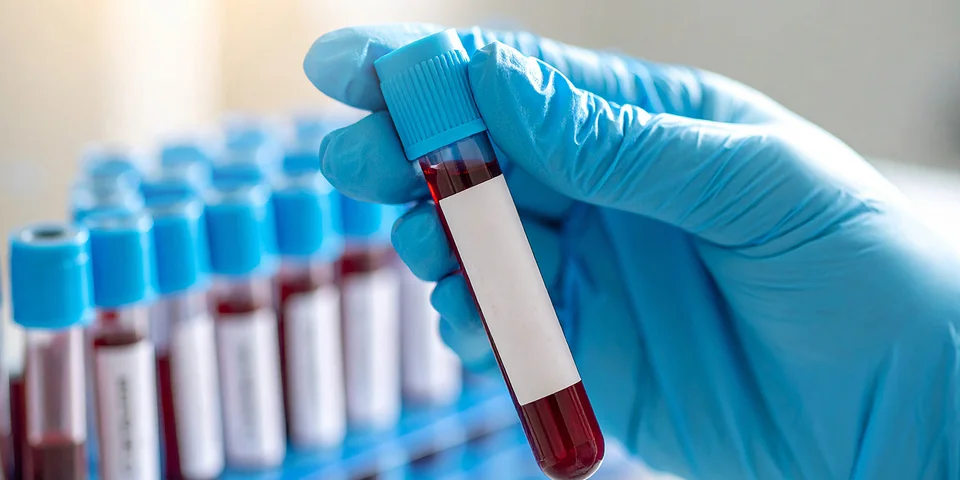 The idea of a simple blood test that can detect multiple forms of cancer before symptoms even appear has been one of the biggest "holy grails" of oncology for decades / ALAMY
"Early diagnosis saves lives on a large scale"
"There is no doubt that early diagnosis saves lives on a large scale," Elliott emphasized. "In addition, it allows patients to receive simpler and less burdensome treatments." As experts note, even when existing anti-cancer treatments are effective, they are often accompanied by serious side effects that significantly affect patients' quality of life.
A typical example is chemotherapy. Despite the fact that it has been practiced for almost eight decades and is still a key weapon against many forms of cancer, it is accompanied by nausea, hair loss, exhaustion and many more unwanted effects.
The debate around personalized treatments was further strengthened by the results of another large study announced in the same days and concerning breast cancer. The Optima study, carried out by researchers at University College London, looked at whether some women can avoid chemotherapy after the tumour has been removed.
The scientists used the Prosigna genomic test, which analyzes the genetic profile of cancer tissue and allows for a more accurate assessment of the risk of recurrence. The results showed that women with specific tumour characteristics experienced almost the same survival rates whether they received chemotherapy or not.
Specifically, the survival rate after five years was 94.9% for those who underwent chemotherapy and 93.7% for those who did not receive it. The difference is considered small, which suggests that thousands of women may in the future avoid a particularly difficult treatment process without reducing their chances of survival.
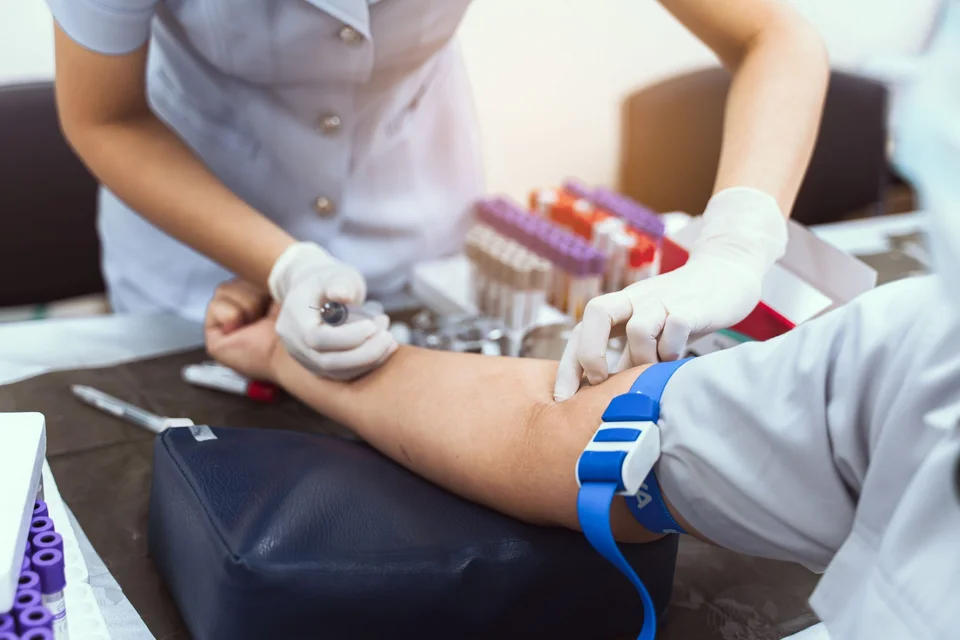 Despite continuous scientific advances, creating a reliable test that could detect different types of cancer early remained an elusive goal / ALAMY
"An important step towards more personalized care"
The chief scientific advisor of the organization Breast Cancer Now, Dr. Simon Vincent, called the results "an important step towards more personalized care". As he said, oncology is gradually moving towards a model in which treatment decisions will not be based on general rules but on the specific characteristics of each patient's cancer.
Despite optimism, many experts warn that the road to the establishment of reliable multi-scan tests remains long. Professor Richard Hulston from the Institute of Cancer Research underlined that so far there is insufficient evidence to justify the implementation of such tests at the general population level. Similarly, Professor Nijan Rosenfeld from the Barts Cancer Institute noted that the only truly reliable assessment requires multi-year randomized studies that will examine whether mortality is decreasing.
The problem, he explains, is that such studies can take up to two decades to complete. By then, the technology may already have been overtaken by newer and more sophisticated methods.
For this reason, many researchers are now calling for international cooperation and common assessment protocols so that different tests can be compared more quickly and efficiently. As they point out, the story of early cancer diagnosis is still in its infancy and the coming years are expected to determine whether the much-advertised blood tests will be a real revolution or just another scientific step in the long road to the fight against the disease.
iefimerida.gr
