
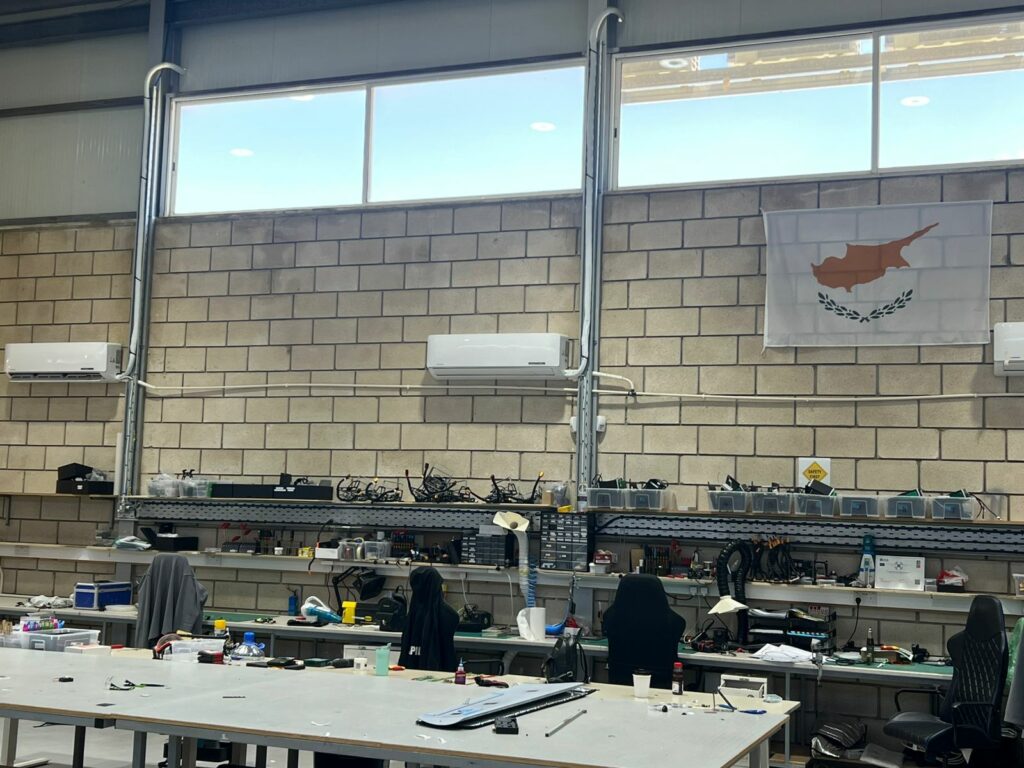
The Cypriot defence industry is dynamically entering a sector that is changing the data in modern fields of business, with the Cypriot company Swarmly Aero developing drones and maritime systems, which are now directly linked to the debate on the deterrence, surveillance and operational upgrade of the National Guard. "F" visited the company's facilities and recorded up close the production and assembly process of the systems, at a time when drones are emerging as a critical factor in the defense of small states and the confrontation of asymmetric threats.
In his interview with "F", the company's director Gary Rafalovsky explains why Cyprus was chosen as the headquarters of Swarmly, how the company turned innovation into reliable operational systems and what is the role that unmanned means can play in strengthening the deterrent capability of the Republic of Cyprus. Particular reference is made to the donation of two H-10 Poseidon to the National Guard, to the company's export prospects, but also to the importance of these systems for the surveillance of the Exclusive Economic Zone and the protection of an island state.
The conversation also highlights the wider strategic dimension of unmanned systems, which, according to Rafalovsky, can act as a form of asymmetric deterrence, increasing the cost of any hostile military action against Cyprus. At the same time, the experience from Ukraine, where the company reports that it has supplied unarmed tactical surveillance platforms through authorized commercial distributors, offers continuous feedback on the technological evolution of its systems and sheds light on how defense technology adapts to the demands of modern warfare.
The interview follows:
Why did you choose Cyprus for the establishment of your company?
We established the company in Cyprus in 2018. As is often the case with such decisions, it was a combination of circumstance and conscious choice. Two of the three founders were already living permanently in Cyprus, so it was only natural for us to establish our operations here. At the same time, Cyprus offered clear advantages: the widespread use of the English language, membership in the European Union and the Eurozone, a corporate legal framework based on British common law, as well as excellent weather conditions that allow us to test equipment throughout the year.
What innovations has your company created, and what's new to expect?
Our core innovation is not limited to a specific product feature. It is the substantial re-approach of traditional R&D, engineering and production processes in response to the rapid changes taking place in the unmanned systems industry. Instead of taking months or years to develop incremental technological improvements, we monitor innovation in the industry at a very high speed, identify the most promising and effective solutions, and, where possible, transform them within days or weeks into robust, reliable, and operationally ready systems.
The unmanned systems industry is now the future and evolution of defense industries worldwide. What was it that prompted you to get involved in this field?
Swarmly was founded in 2018 with a clear orientation towards unmanned systems technology, so we have been active in this field for eight years as a Cypriot company. The core technology behind our systems has, on average, more than a dozen years of experience in unmanned systems technology. For many team members, this is the third or fourth unmanned systems company they work for during their careers. In other words, this sector is not a parallel activity for us; It is the focus of our professional career.
You have managed to export systems to countries outside the European Union and, based on your exports, you have emerged as Europe's largest exporter of drones to countries outside the Union. Are there any new markets that you plan to expand in the near future?
The main geographies we focus on for expansion remain Africa, the Middle East, Southeast Asia and Latin America. These are markets that value proven, robust solutions for immediate business needs, rather than just theoretical ideas or solutions that are still in the research stage.
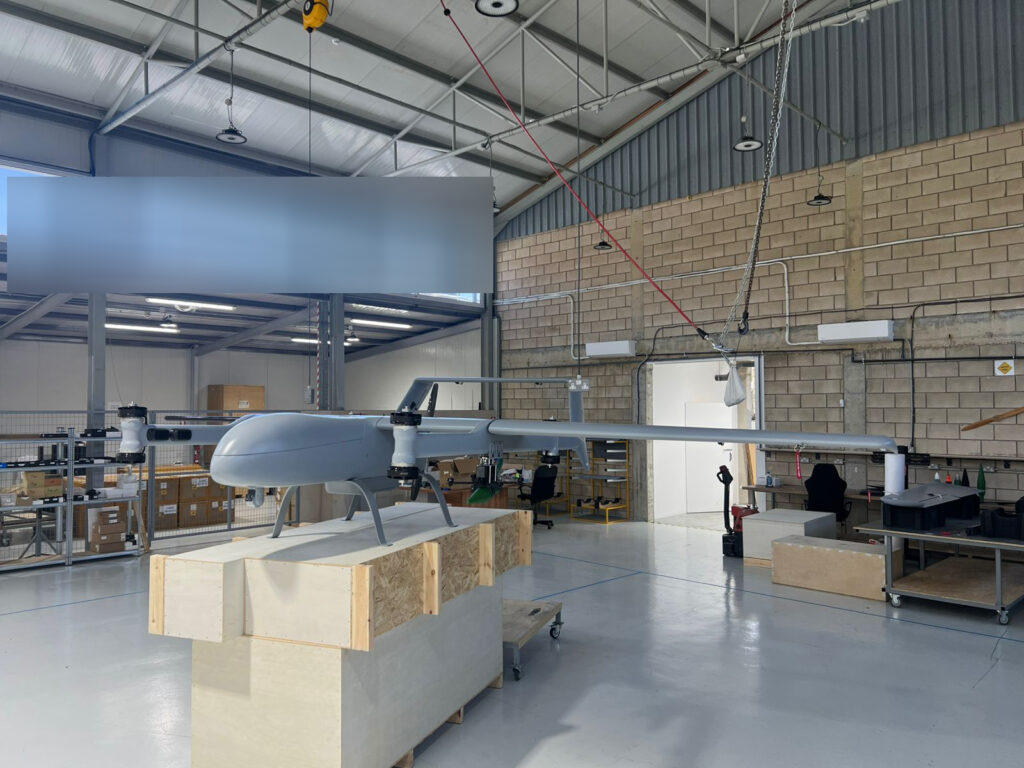 The H-12 Poseidon. This is a "mother ship" type UAV, which can carry other smaller drones
In the past you have stated that you support and will continue to support the local economy. How many people work in your factory and how many of them are Cypriots?
All of our company's core activities are located in Cyprus, including business development, R&D, engineering, and manufacturing. In this sense, all 45 of our employees are residents of Cyprus and consider Cyprus their home. In terms of citizenship, 36 out of 45 employees are Cypriot citizens. We also maintain support centers in two other countries, staffed by local staff.
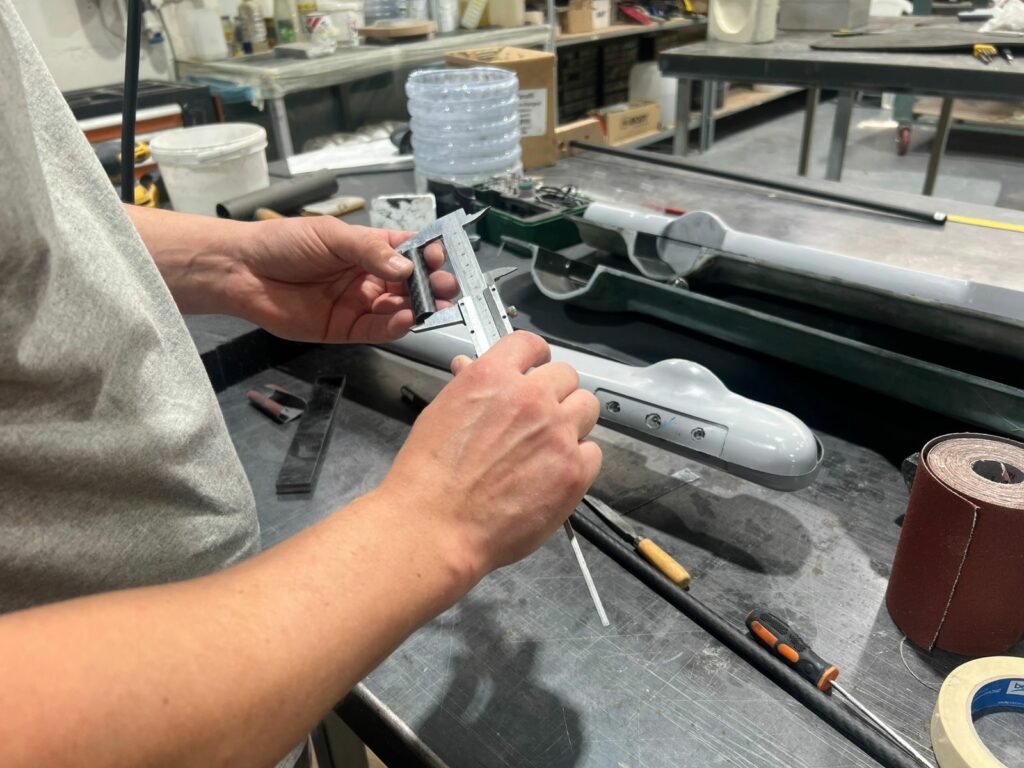 Unmanned Aircraft Parts Assembly Process
We recently saw your generous donation to the National Guard, with the donation of two H-10 Poseidon drones for the needs of the Artillery. What prompted you to proceed with this donation? Can we expect similar moves in the future?
For anyone who lives and builds their life in a country, security and stability are fundamental. No one wants wars, natural disasters, epidemics, or other catastrophic events that disrupt normal life, prosperity, and the prospect of a better future. Due to the sector in which our company operates, we believe that we can and should make a practical contribution to the security of Cyprus. Our families live here, our business is located here and our future is closely linked to Cyprus remaining a safe and successful place to live. We know that our equipment can help the National Guard maintain and enhance its capabilities, empowering deterrence and helping to protect the country. We will continue to look for responsible ways to support Cyprus, where our capabilities can make a substantial contribution.
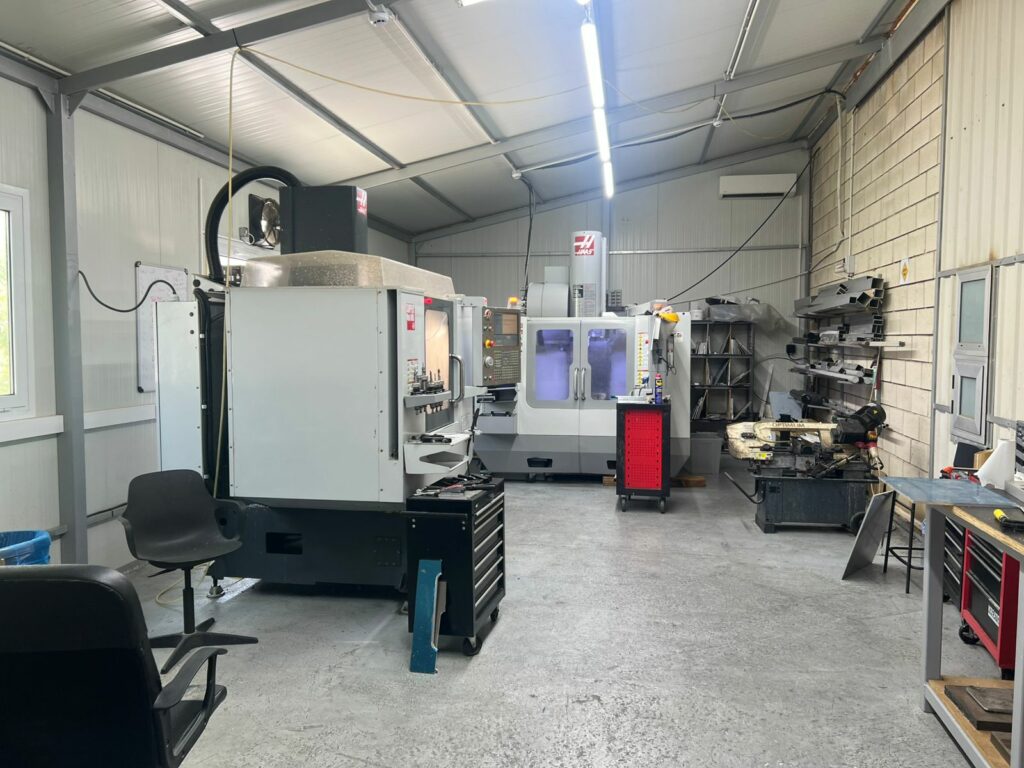
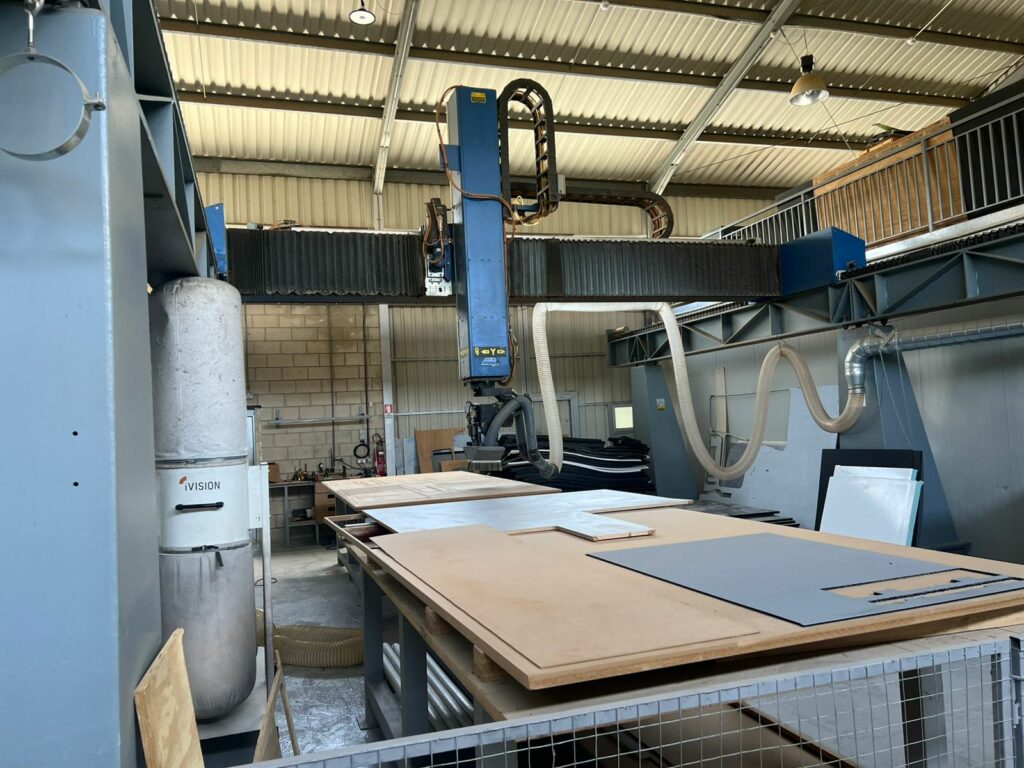 Bridge-type machine for cutting and forming materials / molds which will be used in the molding of parts of unmanned systems. Only 5 of these machines exist around the world.
The National Guard is in a continuous process of modernization and is trying to incorporate new technologies, such as the ones you are building, into its operational plan. Do you think that these technologies can be a "game changer" for the balance of forces with the Turkish army in the occupied territories?
Unmanned systems technologies have already become a game-changer in modern warfare, particularly as a form of asymmetric deterrence. Their role will continue to grow as systems become more expensive, durable, and autonomous. For the first time in its history, Cyprus has a realistic opportunity to develop a deterrence system that can increase the cost of any hostile military action against it to a level that no potential adversary would consider acceptable. This is not just about unmanned systems. It also includes partnerships, economic resilience, political strategy, and the population's determination to defend their way of life. In practice, Cyprus has the ability to make any military action against it prohibitively expensive, without imposing unsustainable economic or political pressure on the country. Whether and how this opportunity will be seized depends on the government's determination and priorities.
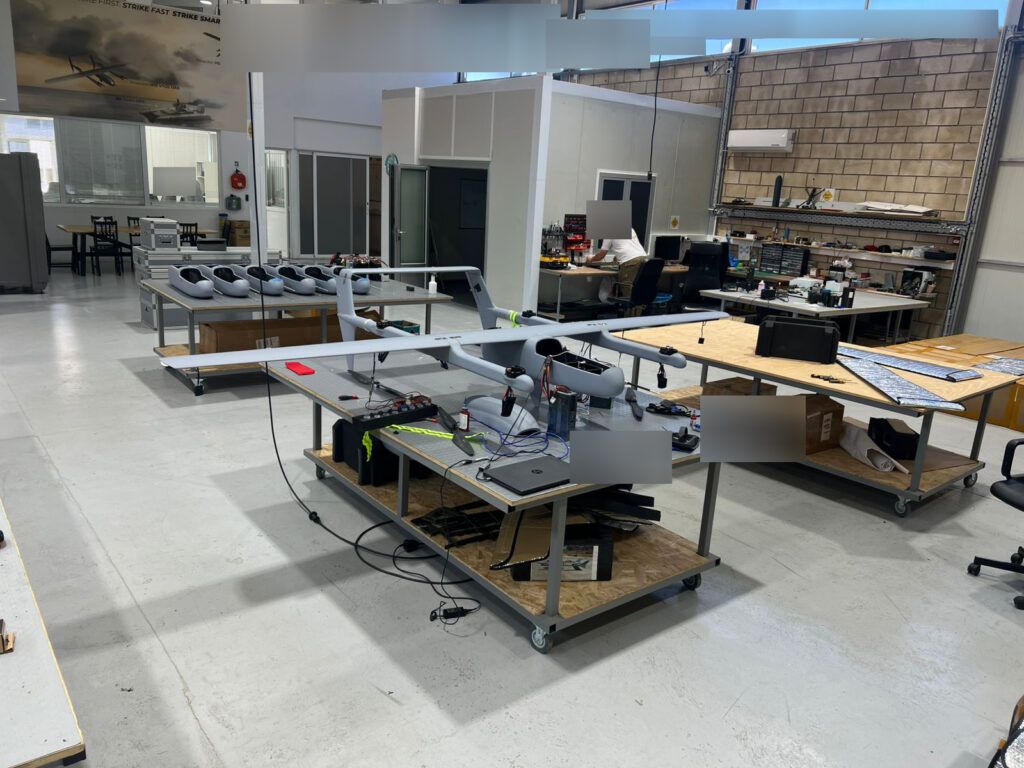 Assembly line of the H-10 Poseidon drones
We are aware that unmanned systems using navigation systems may be subject to interference and interception. What is it that differentiates your systems from the rest?
In modern fields of operations, hostile electronic interference is the rule, not the exception. Many in Cyprus have experienced something similar in everyday life, when navigation apps suddenly showed that users were at Beirut airport, when in fact they were driving on the A1 highway. This was an example of interference with navigation signals, and the situation on a real battlefield is much more difficult. To remain operationally useful, unmanned systems must be resilient to this environment. I wouldn't just put it as a comparison of our own systems with others. The essential thing is that our systems are designed and tested in real-world conditions so that they can continue to operate in hostile electromagnetic environments.
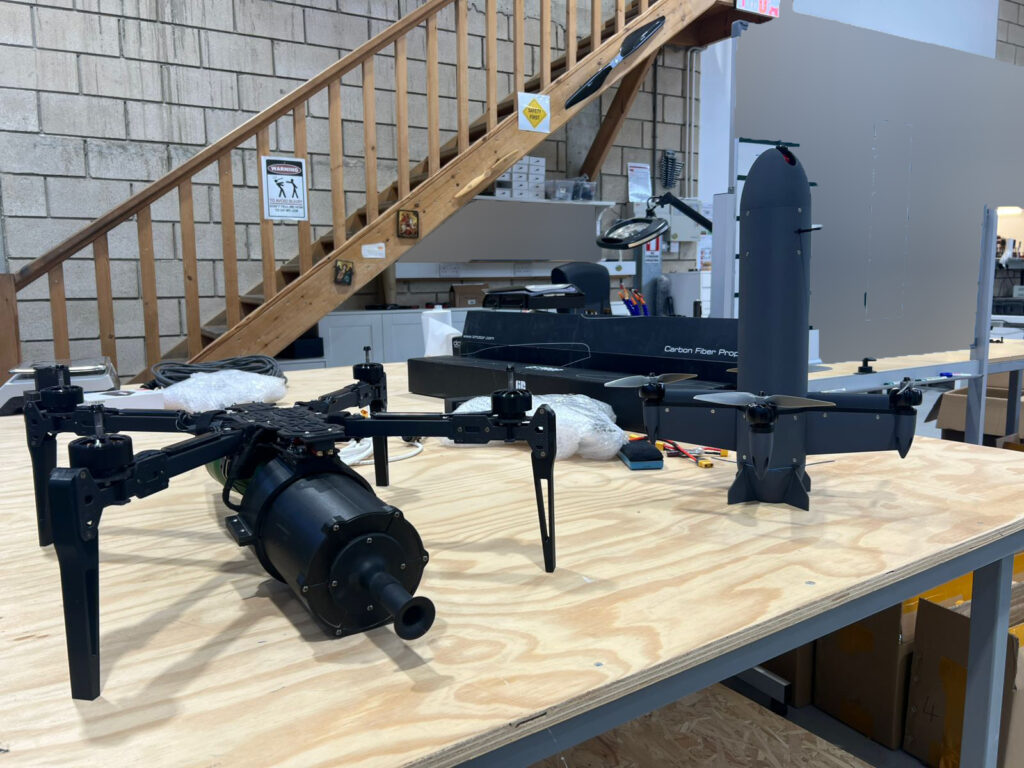 On the left, the FPV drone X23 with 20 km fiber optics – On the right, the Zeus interceptor drone
As an island state, Cyprus is in need of effective control and surveillance of its Exclusive Economic Zone. Do you think innovations like USVs can meet this need?
Unmanned surface vessels, or USVs, can be an excellent solution in a deterrence or immediate response role, as they can carry operational cargo and deploy around the island as part of a multi-layered defense architecture. As surveillance platforms, however, they have physical limitations. A USV is usually a relatively small surface vessel and its direct line of sight is usually limited to about 20 kilometers, due to the curvature of the Earth. In contrast, an economical aircraft that flies even at 100 meters above sea level can have about twice the line of sight, while higher platforms can extend coverage to over 100 kilometers. The most effective approach is, therefore, to combine aviation platforms and USVs. Aerial systems provide broader surveillance, while USVs can act as reaction means or communications transponders, creating a dense protection network that can cover hundreds of square kilometers at a relatively low cost.
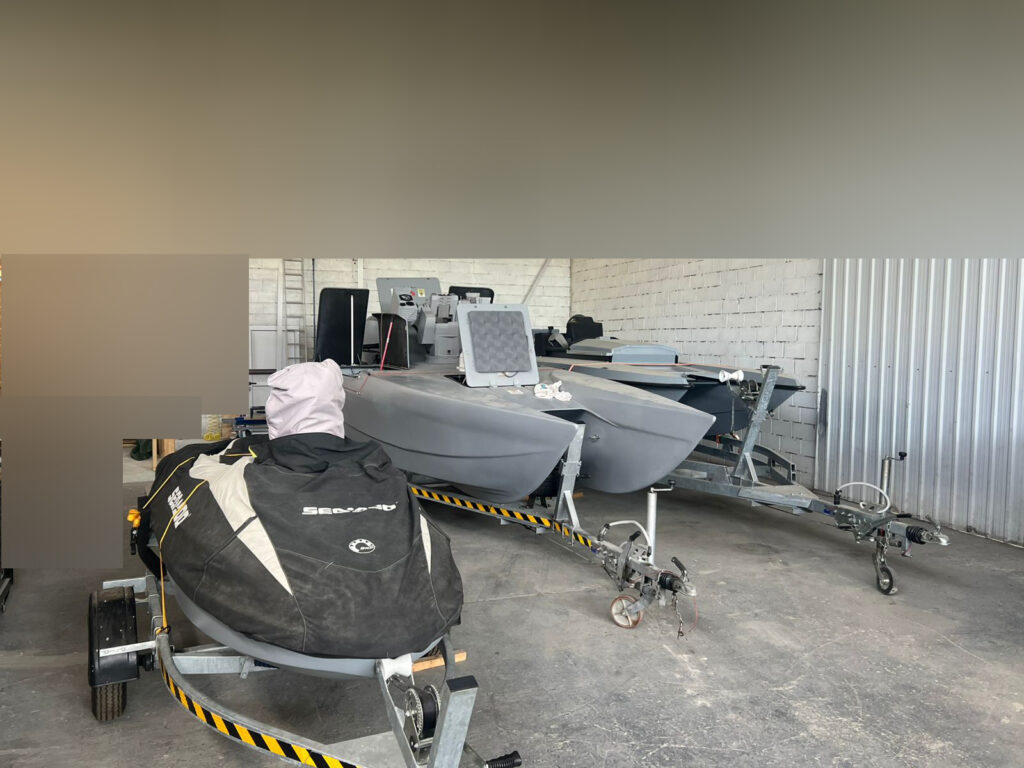 Unmanned Surface Systems (USVs)
According to Ukrainian reports, your systems are being used by the Ukrainian military. Is there feedback from the field on the operational value of these systems?
Since the beginning of Russia's full-scale invasion, we have supplied the Armed Forces of Ukraine with a significant number of our unmanned aerial systems. These systems were designed and delivered exclusively as unarmed tactical surveillance platforms. The feedback we receive from Ukraine guides our technological development every day. For example, the platform we supply to Ukraine has gone through five major modernization cycles and more than 200 smaller changes since we started delivering these systems in early 2022.
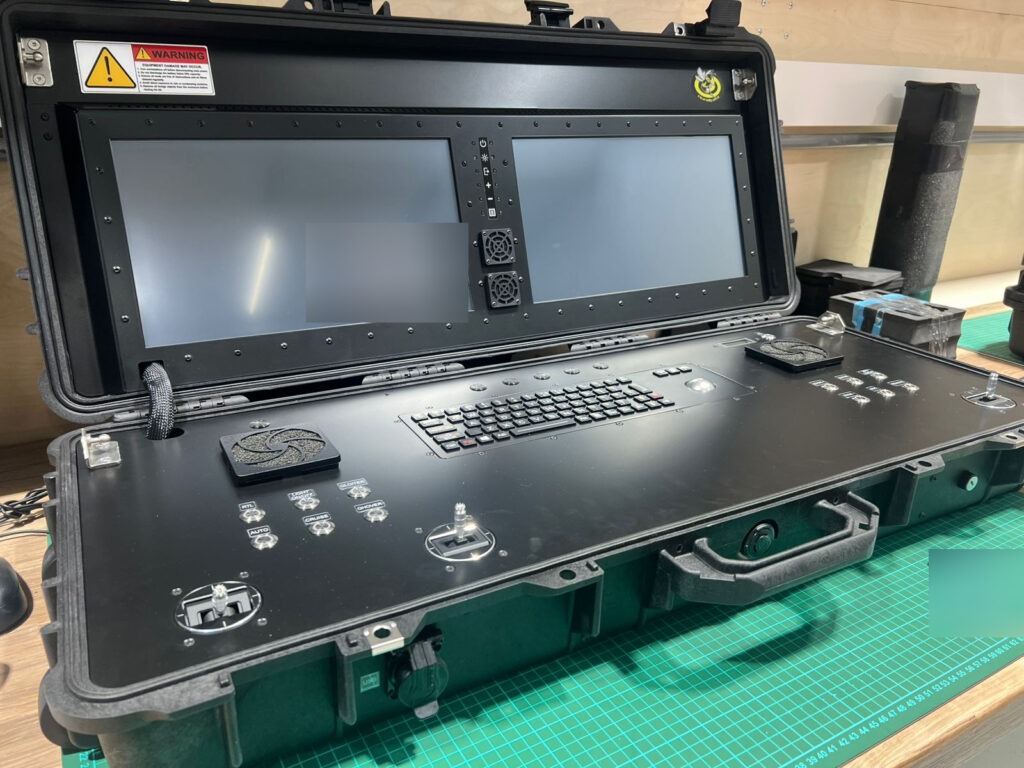 Portable Unmanned Systems Control Station
There are also reports that your company's unmanned surface craft (USV) were involved in attacks on units of the Russian fleet in the Black Sea by the Ukrainian Army. How do you respond to this information?
We are not aware of any Swarmly USV being used in combat in Ukraine or elsewhere, and we have not exported such systems to any country currently involved in hostilities. Three years ago, indeed, we supported the Navy of the Armed Forces of Ukraine in USV design work. At the same time, we continue to upgrade the technology and usage perceptions of our USVs based on the information we collect about how such systems are used in operational environments.
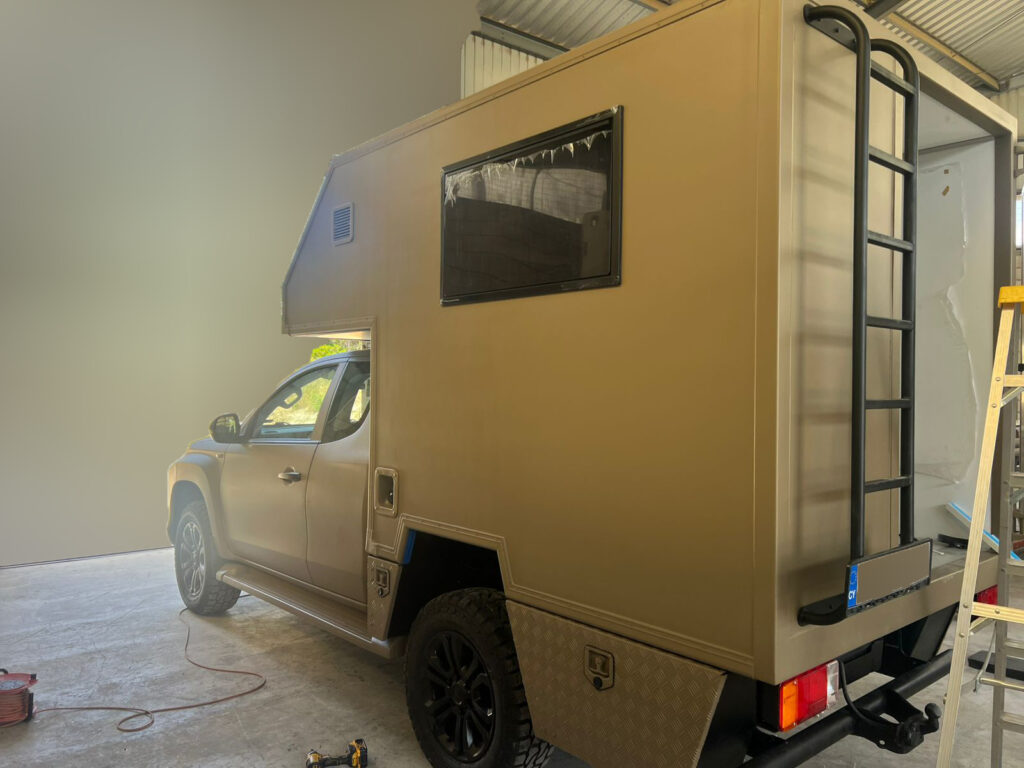 The company's new mobile command and control station
Have you ever encountered problems in terms of your trade relations with Kyiv?
We have never, nor do we have today, direct trade relations with any branch of the Ukrainian government. Our equipment is supplied to the Armed Forces of Ukraine through authorized commercial distributors. We have not encountered any commercial problems in these relationships, and all contractual terms have been fulfilled transparently and responsibly by all parties involved.
