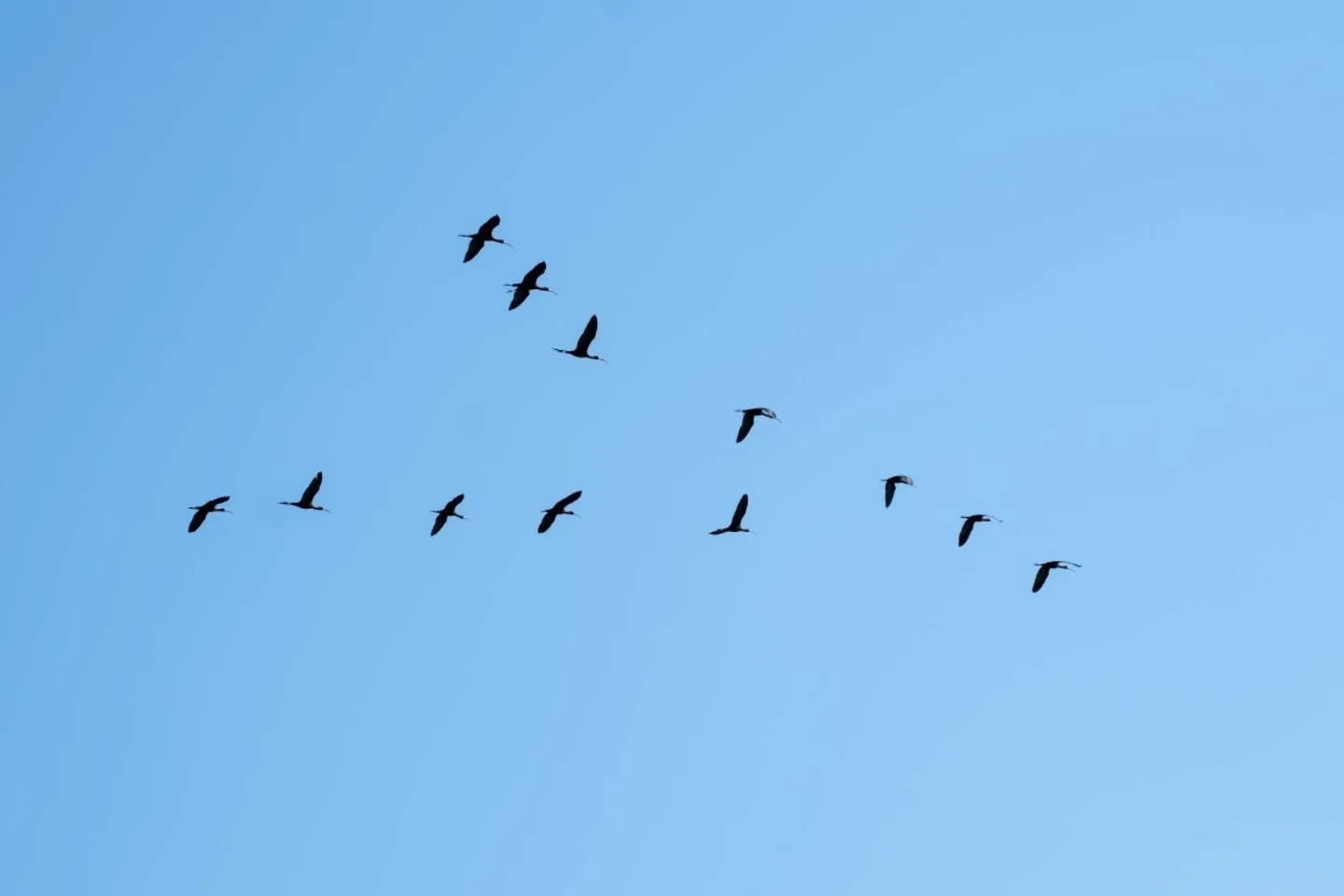
EU-backed restoration brings water, wildlife and hope back to Mesaoria reservoir, offering a rare feel-good moment in a drought-hit island facing climate pressure.
After years of drought, shrinking wetlands, and growing fears over climate change, a rare sight unfolded this week in the Mesaoria region: water glistening across the Kouklia reservoir, birds circling overhead, and nature slowly reclaiming its place.
Residents, environmental groups, and nature lovers gathered at the restored Kouklia/Kukla wetlands to witness the return of migratory birds and celebrate the revival of one of Cyprus’s oldest reservoirs.
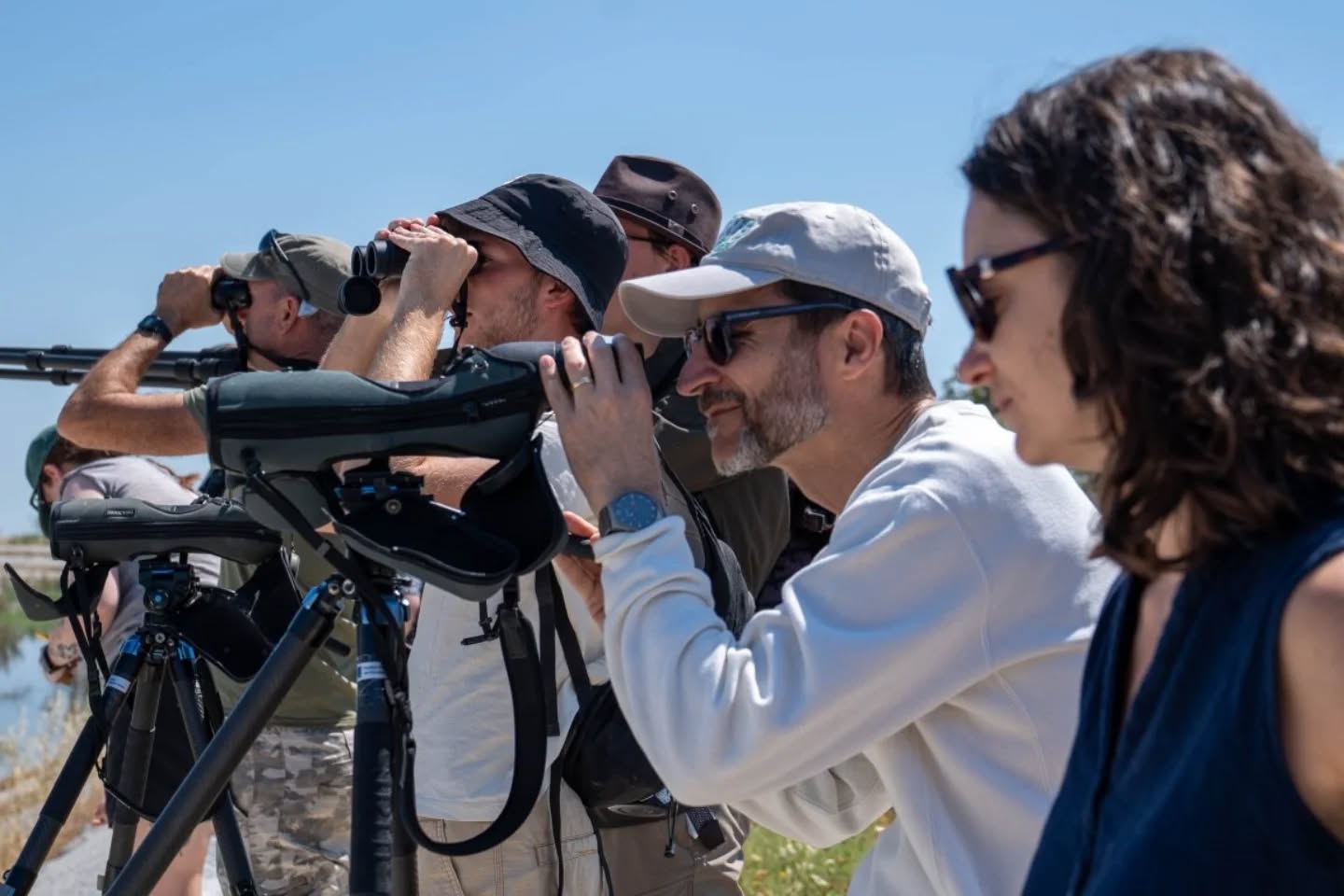
The transformation is part of an EU-funded environmental rehabilitation project aimed at restoring the wetland ecosystem and strengthening the area’s resilience against climate change.
Implemented by the United Nations Development Programme and funded through the European Union aid program for the Turkish Cypriot community, the initiative has brought together local communities, environmental experts, bird protection organizations, and volunteers from both sides of the island.
Recent rainfall helped breathe life back into the wetland, allowing the reservoir to once again serve as a resting point for migratory birds traveling across the eastern Mediterranean.
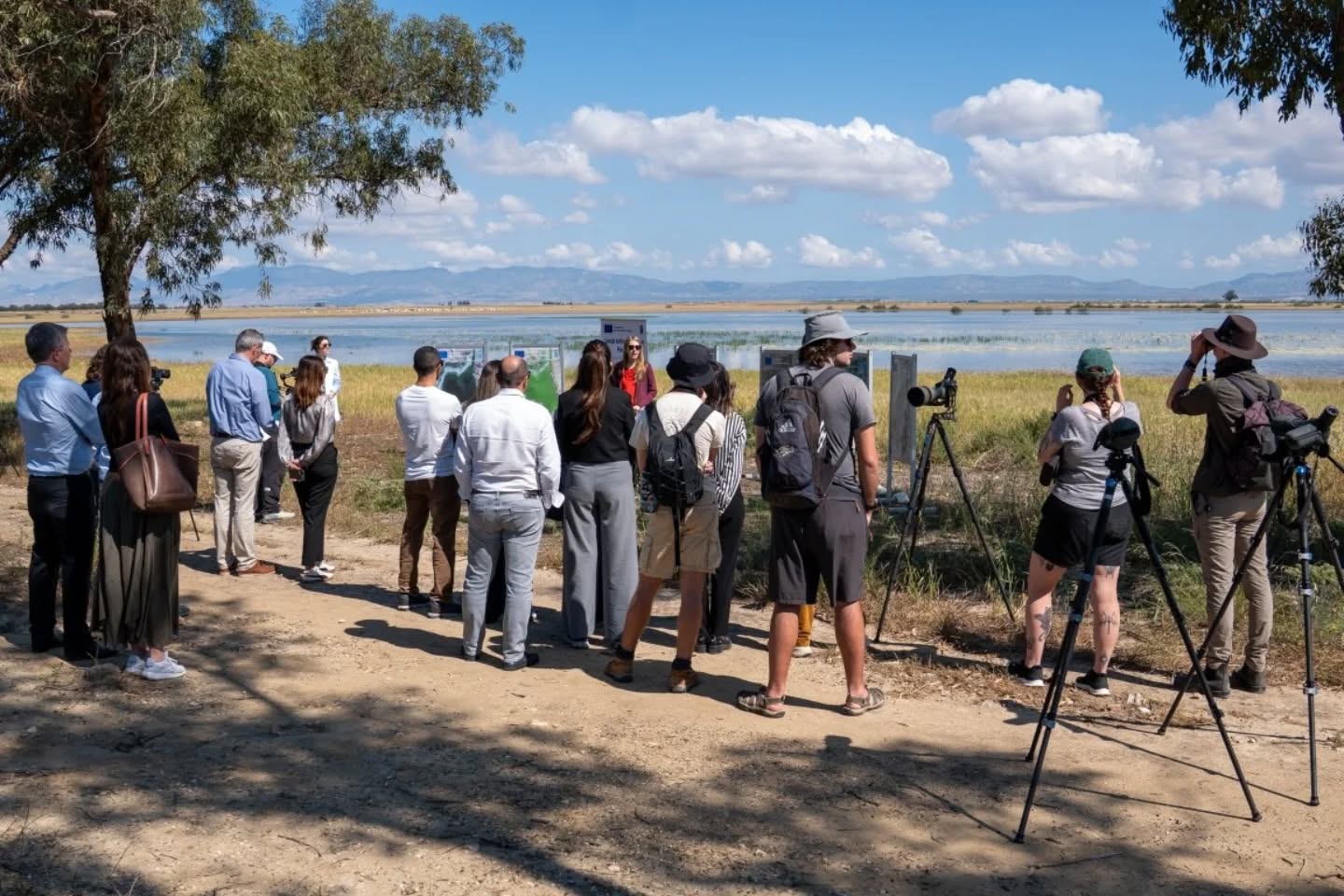
For many Cypriots, the return of water and wildlife carries emotional weight beyond environmental statistics.
In a country where dried-up dams, water cuts, and scorching summers have become increasingly common, scenes like those at Kouklia feel almost nostalgic, a reminder of what Cyprus’s natural landscape once looked like before years of overdevelopment, heatwaves, and changing weather patterns began taking a toll.
Wetlands play a major role in the island’s ecosystem. They help absorb floodwater, support biodiversity, improve groundwater quality, and provide shelter for birds and wildlife. But many have gradually disappeared over the decades due to urban expansion, neglect, and prolonged dry conditions.
Environmentalists say projects like Kouklia show that damaged ecosystems can still recover when communities and authorities work together.
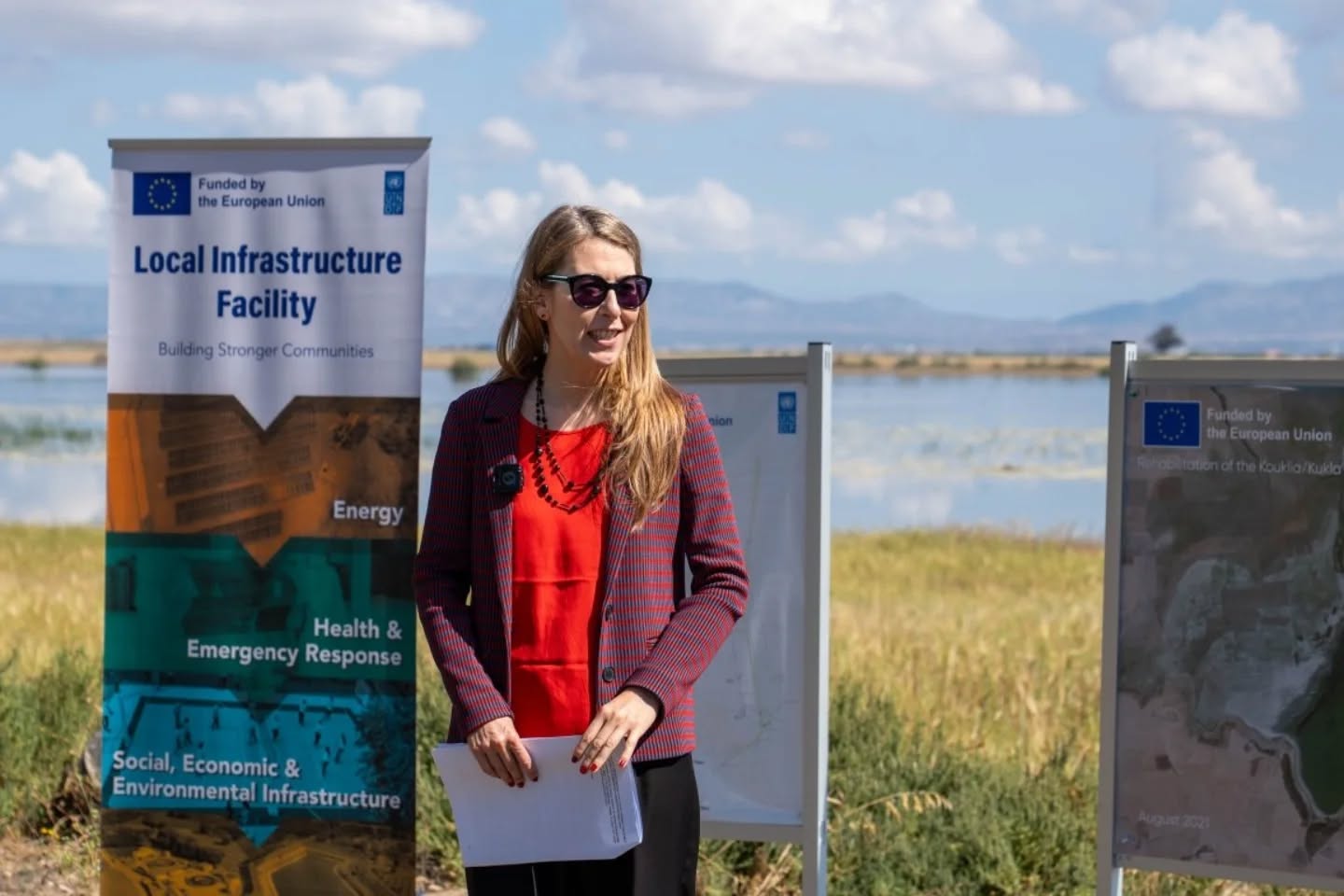
Visitors at the site this week watched birds skim across the water while others walked along the wetland’s edge, taking photos and reflecting on the importance of protecting natural habitats for future generations.
Beyond its environmental value, the project also stands out in Cyprus for another reason: cooperation.
At a time when division often dominates headlines, the Kouklia wetlands have become a quiet example of Greek Cypriots and Turkish Cypriots working toward a shared goal, preserving a piece of the island’s natural heritage before it disappears.