
New questions about the operational readiness of the British fleet are caused by the incident with the guided missile destroyer HMS Dragon, which suffered serious damage almost immediately after its arrival in Cyprus, at Akrotiri air base.
Officially, the British Ministry of Defense spoke of "short-term maintenance" concerning the ship's water supply system. However, a report by Defense Express states that the information and analyses converge on the fact that the problem is deeper and is part of a wider chain of technical malfunctions that have plagued Type 45 destroyers for years.
HMS Dragon remains moored at a base in the Eastern Mediterranean, with no clear timetable for the resumption of its mission, at a time when criticism of the government over the state of the fleet is intensifying in the United Kingdom. At the same time, the Ministry of Defense maintains a restrained stance, attributing the situation to the complexity of operational deployments.
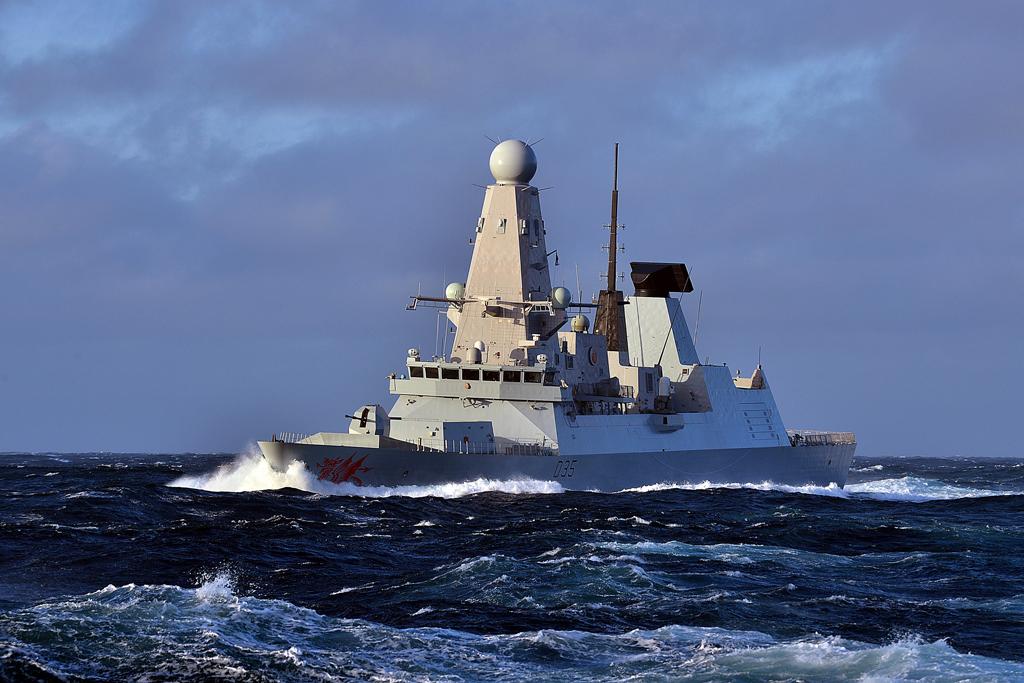
The problems of Type 45 destroyers are not new. Since joining the service, since 2010, they have been dealing with issues related to the propulsion system, specifically the Rolls-Royce WR-21 gas turbines, which presented design weaknesses in the cooling system. The problem was attributed to individual design responsibilities and led to an extensive Power Improvement Project (PIP), with the replacement of generators and the enhancement of the energy efficiency of ships.
Despite the interventions, only two of the six destroyers of the class are considered fully operational without restrictions, which highlights the structural pressure facing the Royal Navy.
HMS Dragon had been selected for deployment in the Eastern Mediterranean region, with the main mission of strengthening air and missile defenses, particularly after the Shahed drone attack on the Akrotiri base on 2 March. Its development was accelerated, with the preparation being completed in a suffocating time frame.
The ship sailed from Portsmouth on March 10, however on the way to Gibraltar it reportedly encountered adverse weather conditions and technical issues. It arrived in the area of operations near Cyprus only on March 24, before being taken out of action again in early April.
Analysts point out that the case of HMS Dragon is not an isolated incident, but highlights deeper structural problems, such as the limited number of ships in the class, which makes it difficult to meet Britain's increased operational needs internationally.
At the same time, the dispatch of such a ship to Cyprus is mainly linked to the need to provide anti-aircraft and anti-ballistic protection. However, as pointed out, the UK does not currently have ground air defense systems capable of countering ballistic missiles, which brings back to the fore the debate about strengthening missile defense capabilities.
The incident with HMS Dragon thus comes to highlight not only technical weaknesses, but also wider issues of strategic planning and operational adequacy of the British defense mechanism.
