
ECONOMIST - ON THE BRINK OF ENERGY DISASTER - THE SCENARIOS FROM BAD TO NIGHTMARISH - Filenews 22/4
Behind the relative calm in fuel prices in the West, the global energy market is approaching a critical juncture.
According to an analysis by the Economist, the world is now one step away from an energy shock with potentially catastrophic consequences, as the crisis in the Persian Gulf strips the system of its last "cushions".
The picture of the markets may seem reassuring — but it is, as the Economist points out, deeply misleading.
Despite the war with Iran and the partial or complete suspension of navigation in the Strait of Hormuz, oil prices have not soared as much as one would expect. Brent remains about $20 below its March highs, even as hundreds of millions of barrels of oil have been lost from the market.
But this is due to one reason: the stocks that were already on the way before the war broke out. These stocks are now exhausted.
The "cushion" disappears
About 50 days after the start of the conflict, the world has already lost about 550 million. barrels of oil from the Persian Gulf — nearly 2% of global annual production.
The last tankers that had crossed the Strait of Hormuz before the war arrived at their destinations in April. From now on, there is no "cushion" to absorb the supply shock.
At the same time, every month that the Straits remain closed, about 7 million tons of LNG are lost — another 2% blow to global supply.
3 fronts that are pushing the market to the precipice
The Economist's analysis identifies three main factors that are making the situation worse:
- -Available oil cargoes are running out at record speed
- -Refineries drastically reduce fuel production
- -Demand remains artificially high, particularly in Europe
The result is a market that cannot balance without a violent adjustment.
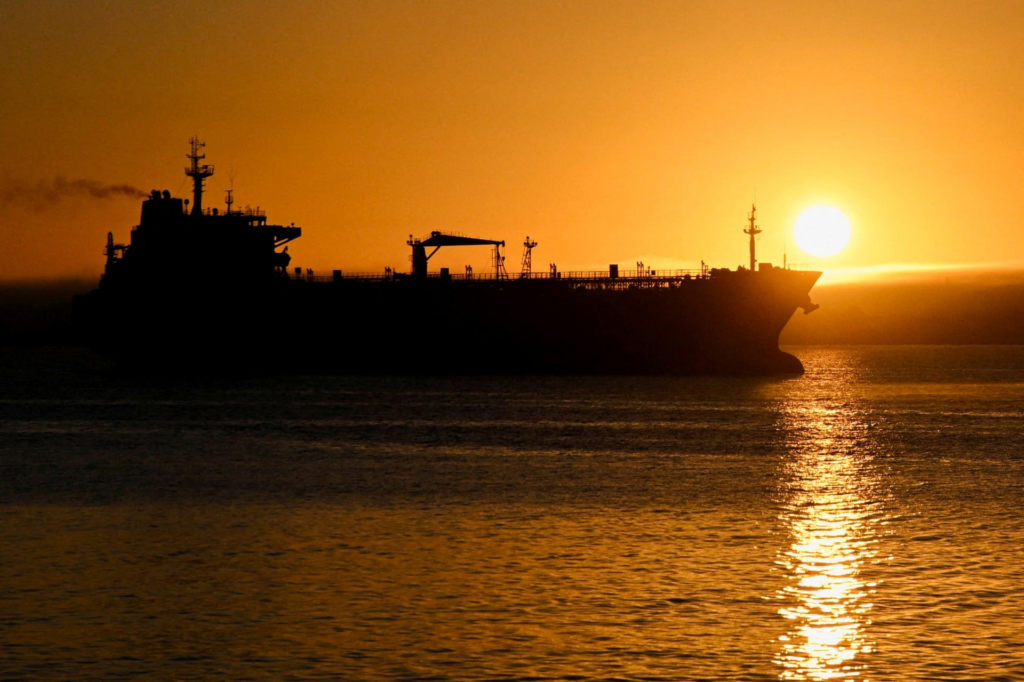
Asia: the first victim of the crisis
The greatest pressure is found in Asia, which absorbed about 80% of the Gulf's exports.
Trade stocks are running out, while countries such as South Korea and Japan are forced to use strategic stockpiles — but they are nearing their end.
At the same time, refineries are cutting production by up to 10%, with the risk of reaching as much as 30% if the crisis continues.
China could act as a "relief valve", having huge reserves. However, it has curtailed fuel exports, exacerbating shortages.
Prices already reflect this: gasoline is approaching $120 a barrel, diesel $175 and jet fuel $200.
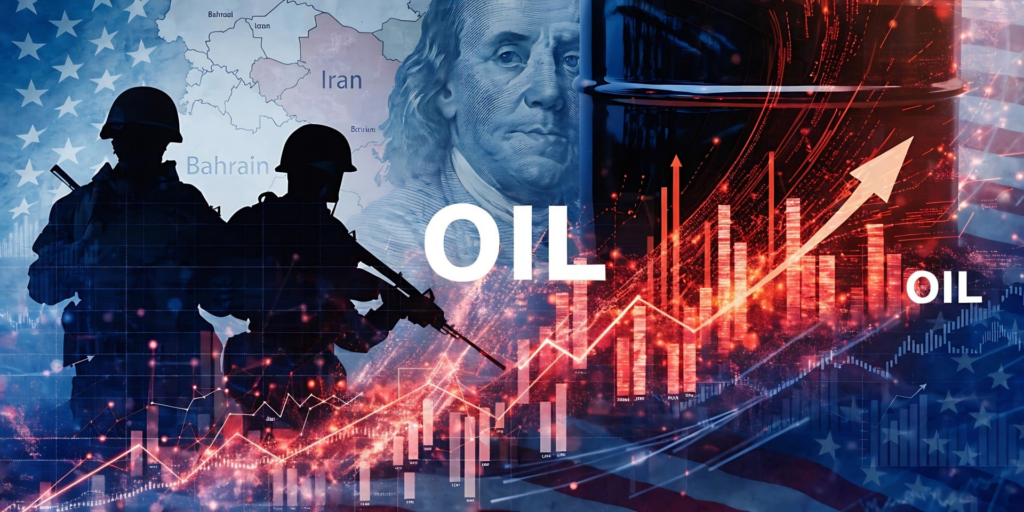
Europe: protected, but vulnerable
Unlike Asia, Europe has so far avoided a drastic reduction in demand.
Governments subsidize fuel or reduce taxes, trying to protect households. But this policy, the Economist warns, may exacerbate the imbalance.
European refineries are already buying oil at much higher prices than the futures indicate. The actual cost of transportation and insurance is close to $130-150 per barrel.
This squeezes profit margins and brings the possibility of production cuts closer.
The risk of a market freeze
As inventories dwindle, the risk is not only high prices, but also operational market paralysis.
Aviation fuel stocks in Europe are sufficient for about 50 days. If the situation does not normalize by the summer, they may decrease sharply.
At the same time, the increased demand for LNG ahead of winter will intensify competition with Asia.
In this environment, even minor disturbances can cause chain reactions.
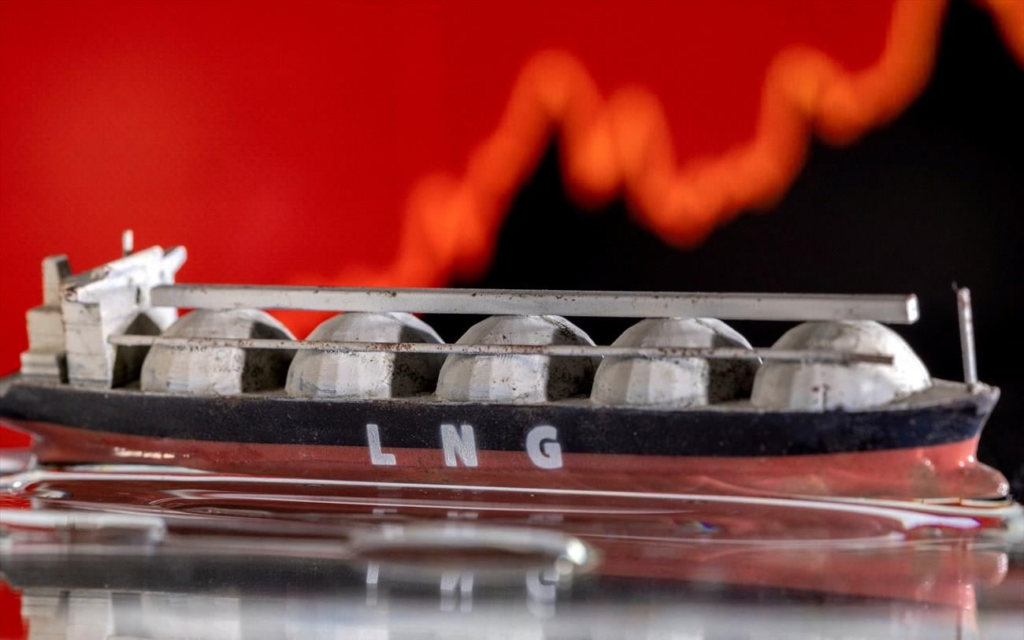
Even de-escalation is not enough
The most worrying element is that even if the Strait of Hormuz were to open immediately, the full recovery of the market would take months.
The losses in production and transport are already considered significant and, according to estimates cited by the Economist, could reach 1.5 billion barrels — about 5% of annual world production.
If the crisis is prolonged, these losses could be doubled.
Time window closes
The last time global oil demand fell sharply — by about 10% — was in 2020, during the pandemic. At that time, the world economy shrank by more than 3%.
Today, the Economist warns, the world is approaching such a turning point again.
Only this time, the cause is not a health crisis — but an energy suffocation.
And the margin to avoid a complete disaster is dangerously narrowing.
