
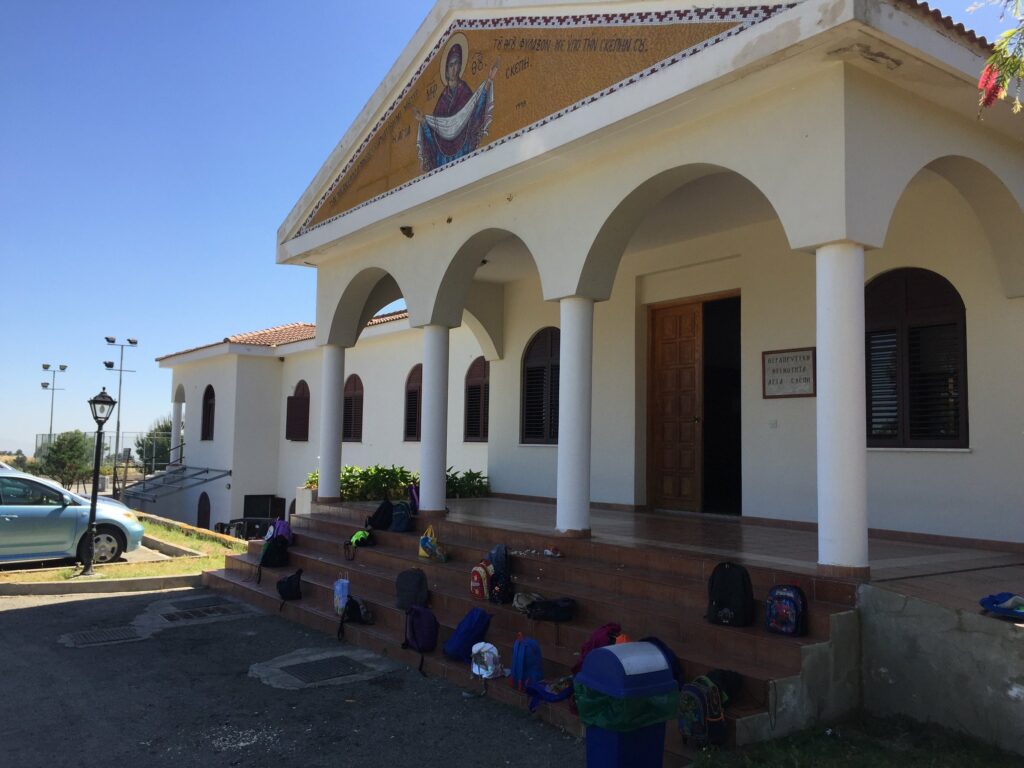
AGIA SKEPI YOUTH CENTER - CHILDREN AS YOUNG AS 12 YEARS OLD USE SUBSTANCES - TURNING TO COCAINE AND CRYSTAL METH - ''2025 WAS OUR WORST YEAR'' - Filenews 18/4 by Andrea Mavrou
The picture recorded in recent years around the use of substances in minors in Cyprus is of great concern, as, in addition to the increase in incidents, there is also a significant reduction in the age of first contact with addictive substances. These developments are clearly reflected through the operation of the Agia Skepi Youth Center, which is called upon to manage increasingly complex and serious cases.
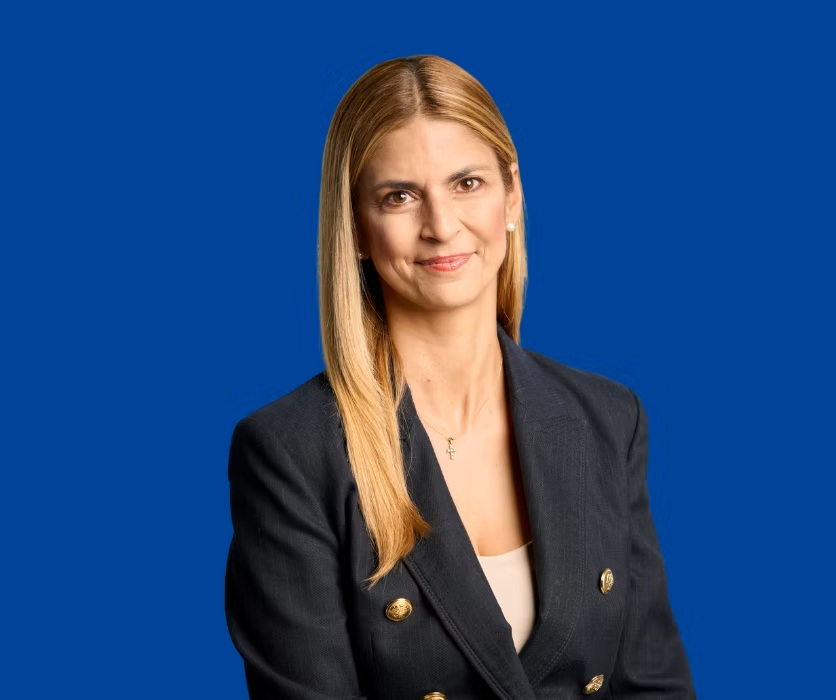
"It was our worst year in terms of the volume we were called upon to serve, both adults and minors," says the Clinical Director of Agia Skepi, Tina Pavlou, describing 2025 as a landmark year for the outbreak of the phenomenon. As he explains, the increased demand for treatment even led to the need to expand the capacity of the Adolescent Center, which was originally designed for a limited number of guests.
Use by younger and younger ages
Of particular concern is the fact that the age of first use seems to have been significantly reduced. According to Ms. Pavlou, the majority of cases now concern children around 14 years old, however, there is no shortage of extremely worrying cases of even younger children.
A typical example is the example of a 12-year-old child who joined the program after already having a year of substance use, which highlights the seriousness of the situation.
The reduction in the age of first use is not attributed to a single factor. As Ms. Pavlou explains, "certainly accessibility has played a big role, but the increase in substance use is not only about this, but is always associated with the increase in social problems in a country."
From cannabis to heavy substances
Although cannabis remains the most widespread illegal substance among minors, the reality reflected in practice is much more complex and harsh. As he explains, while initially there was an expectation that the incidents would mainly involve cannabis use, in practice it is found that many minors who reach the program are already users of more serious substances, such as cocaine and crystal meth.
At the same time, alcohol continues to be the main substance of abuse, with Cyprus recording high positions in Europe in terms of accessibility for minors to it. As he notes, in 2023 Cyprus recorded the first place in Europe, while in 2025 it is in third.
The children admitted to the Adolescent Center are not just at a stage of experimentation, but already show significant dysfunction in their daily lives. These are, as pointed out, minors who are in systematic use, have been removed from the school environment, exhibit delinquent behaviour and often face serious problems in their family context. The intervention, therefore, is not limited to the removal of substances, but concerns an overall effort to rebuild their lives.
Today, the Adolescent Center hosts 16 minors (3 girls and 13 boys), aged from 13 to 17, with the program aimed at young people up to 19 years old. The length of stay, although originally planned at six months, in practice reaches an average of nine months or more, especially in cases where there is no supportive family environment. As Ms. Pavlou explains, many of the children are deeply traumatized and need more time and intensive psychotherapeutic support to be able to stabilize.
Treatment on a 24-hour basis
The program operates as an internal therapeutic community with 24-hour support, where minors follow a fully structured daily schedule. Treatment includes individual and group psychotherapy, psychoeducation, as well as the continuation of their educational path.
A special feature of the program is that the therapeutic process is not limited to specific session times, but evolves throughout the day. Even a disagreement that may arise in the evening is an occasion for immediate intervention by the staff, with the aim of guiding and managing the behaviour. In this way, minors are in an environment of continuous care and treatment, on a 24-hour basis.
Minors have the option to leave at any time, with the responsibility for picking up the guardian, whether it is a parent or a state service. As noted, the incidents of withdrawal have decreased in recent years, while in any case, an effort is being made by both the staff and the children themselves, so that the minor remains in the program.
Regarding the effectiveness of the program, data show that about one in two minors manages to successfully complete the rehabilitation process.
Life with boundaries and structure
The daily life of the minors in the program is fully structured and includes, in addition to therapy and education, a wide range of activities aimed at skills development and smooth reintegration. Minors participate in activities such as art, music, carpentry, while at times they also participate in sports activities, such as football or martial arts lessons.
On weekends, the program is diversified, giving space for more relaxed activities, such as outings outdoors, cinema or other organized activities, always under the supervision of the staff.
Minors participating in the program do not have access to mobile phones or the internet, while operating within a framework of clear rules and boundaries. Despite the fact that these are adolescents with often intense delinquent behaviour, their adaptation to this context is impressive. "Boundaries bring security," notes Ms. Pavlou, explaining that setting boundaries creates an environment of trust in which children can feel stability and make meaningful changes in their lives.
At the same time, minors are encouraged to take on responsibilities in their daily lives, such as taking care of their space, washing clothes or participating in simple tasks, always with the support of the staff. As it is pointed out, children are largely cooperative, with interventions being required mainly in cases of inappropriate behaviour between them.
The role of the family and the school
The role of the family is crucial for the course of treatment. As emphasized, when there is cooperation with parents and participation in the treatment program, the results are clearly better. However, there are many cases where the family environment is problematic or even burdensome, with a significant percentage of minors coming from families where there is substance use. In these cases, the rehabilitation process becomes even more demanding.
Particular emphasis is also placed on education as most of the children admitted are out of school. Initially, they are included in home teaching in collaboration with the Ministry of Education and then, where possible, they are gradually reintegrated into the school environment. Already, of the children hosted today, a part has returned to regular schooling, which is an important step towards their social reintegration.
At the same time, the need to substantially strengthen schools with specialized staff is highlighted. According to Ms. Pavlou, today about 70 educational psychologists are called upon to cover all schools in Cyprus, which makes timely and effective intervention extremely difficult.
"The presence of a psychologist and a social worker in every school is perhaps the most effective form of prevention," she emphasizes.
At the same time, she points out that the effective treatment of the problem requires overall support of the family, especially at the level of emotional support. "The family needs to be emotionally supported. This is what is missing the most," she notes. The lack of this support, as he states, is one of the main factors that lead minors to dangerous behaviours.
In closing, she sends a clear message to parents, emphasizing that prevention starts with the relationship they develop with their children. "The parent must listen to their child, encourage emotional expression and be present in their life," she says, underlining that trust and communication are the main tools for the protection of minors.
