
A HOLE OF 14 million CUBIC METERS OF WATER THREATENS CYPRUS - SCHEDULE FOR THE NEW DESALINATION PLANTS ARE OFF TRACK - Filenews 14/3 by Angelos Nikolaou
Cyprus' water balance is entering a state of emergency, with a huge hole of 14 million cubic meters (ECM) threatening the smooth water supply of all districts except Paphos. The 14 ECM correspond to 14% of the needs, so as to ensure uninterrupted water supply throughout 2026 and to avoid disorderly or uncontrolled cuts, especially during the summer months.
The data of the Water Development Department (WDD) brought to light today by "F", compose a nightmare scenario: The dams are drying up, the rains never reach the savings and the breathing projects decided by the government in 2025 are trapped in delays, cancellations and new schedules. For the year 2026, it was decided to allocate a total amount of water of 103 ECM for water supply purposes, compared to 114 ECM consumed in 2025, recording a decrease of 10%. However, with the new data, the new goal of the WDD is to limit the needs in the water supply to 88 ECU, i.e. an additional reduction of 14%.
The root of the problem lies in the disproportionate relationship between rainfall and inputs. Although rainfall reached 83% of normal (360 mm), the inflow into the dams was limited to a meagre 21% of the historical average inflow.
Today, March 14, total stocks stand at 21% (62 ECM), one of the lowest levels ever. The situation in the Southern Pipeline is even more dramatic, with only 34 ECM (18%) available, which leads experts to estimate that, without drastic measures, stocks will be reduced to zero before August. To this end, an effort is being made to utilize boreholes in order to strengthen the water balance, in order to save the year.
The country is now in a state of emergency. If there are no immediate savings and if the new units do not operate as soon as possible, cuts in water supply will become inevitable within the year. Furthermore, the authorities expect a few million cubic meters of water to flow in March, in order to overturn the worst-case scenario.
While desalination should be the country's lifeline, the implementation of the new mobile units (CMUs) is reminiscent of a bridge in Arta:
Garyllis: The utilization of the WBL boreholes and the installation of a mobile desalination unit (denitrification) in the bed of the Garyllis River with a capacity of 10,000 cubic meters/day, is seriously delayed. The mobile unit in Garyllis was supposed to be put into operation in February 2026, however no new implementation schedule has been set, which aggravates the situation. The last reason that the contractor company of Israeli interests seems to invoke is the war. According to the contractor, the delay is due to additional equipment expected from Israel.
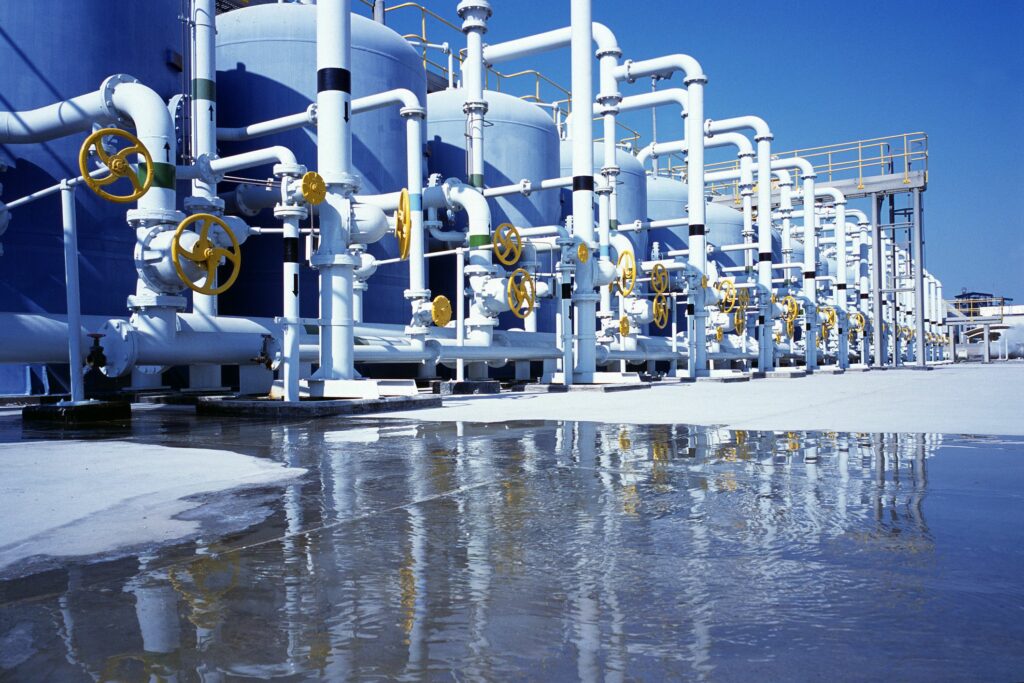
Limassol Port: The mobile unit is expected to be put into trial operation at the end of the month.
Ayia Napa: The tender for the mobile unit is being cancelled, with the state now turning to the design of a permanent unit of 30,000 cubic meters, so it will be slow to offer water to the Southern Pipeline system, instead of next October as originally scheduled.
Germasogeia: The ambitious plan for the floating desalination plant with 20,000 cubic meters/day seems to be shipwrecked for good, as the high cost makes it unprofitable. To this end, the WDD is expected to proceed with an open tender in May-June.
Episkopi and Vasiliko: They are expected from September and October 2026 respectively, but too late to help with the peak of this summer.
Mazotos: In relation to this unit, the WDD was waiting for the Parliament's decision last Thursday to run an express procedure without the need to prepare a viability study. The environmental studies will be carried out, while it has been decided to proceed with the contract with direct negotiation with the goal of 40,000 cubic meters per day. The timetable, although the signatures have not yet fallen, is next October.
The government is now betting on the operation of a total of eight mobile units (147,000 cubic meters per day) and the future completion of permanent desalination plants for the future. Until then, Cyprus is called upon to live with less water in the water supply, hoping that the state apparatus will run the procedures before the taps dry up for good.
In accordance with the fixed water policy of the Republic of Cyprus and the recommendations of the European Commission, priority is given to meeting the needs of water supply over all other uses. However, the demand for water supply has been increasing over time: Since 1991 the required quantity has tripled, while in the last four years the growth rate has been around 4%-6% per year.
In relation to irrigation, it has been decided to reduce the water supply by 33% this year, from 33 ECM last year to 22 ECM this year. Priority will be given only to professionals and permanent plantations.
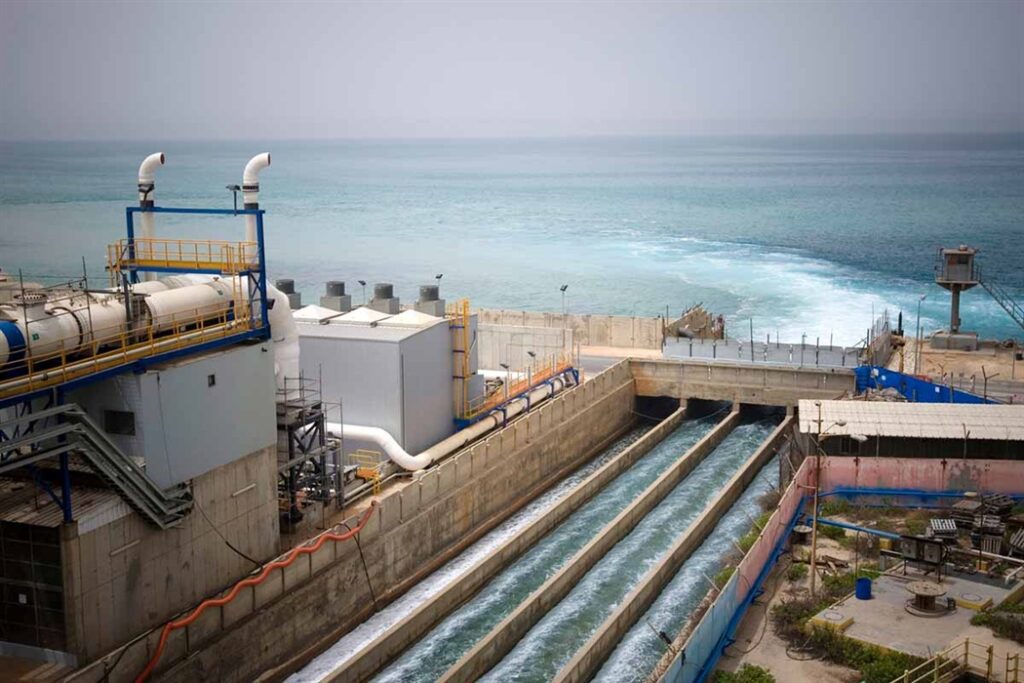
Significant deficits in the largest dams
In the event that there are no extremely significant inputs that will overturn the storage data and the same conditions and increased overconsumption continue, it is expected that within 2026 the system of the Single Southern Pipeline Plan (ESNA) will show significant deficits, as its most important dams will have zero reserves, before the summer season of 2026. As a result of the depletion of water supplies, water cuts will become inevitable. This must be avoided through a series of new actions.
There is also the negative phenomenon of the reduction of stocks in recent weeks compared to the water provided for water supply purposes. Last week (2-9/3/2026) the water inflow to the six largest dams (Kouri, Asprokremmou, Kannaviou, Kalavasos, Dipotamos and Lefkara) reached 1,837 ECM, while the outflow was 0,653 ECM. The amount stored in these dams corresponds to 21% of their occupancy, while the corresponding percentage last year was 25.4%.
