Filenews 29 December 2025 - by Dora Christodoulou

The tourism sector is one of the most important pillars of the economy of Cyprus, with a timeless contribution to the country's GDP, even in difficult times. 2025 is recorded as another good year for Cypriot tourism, as well as for other countries in the region, such as Greece.
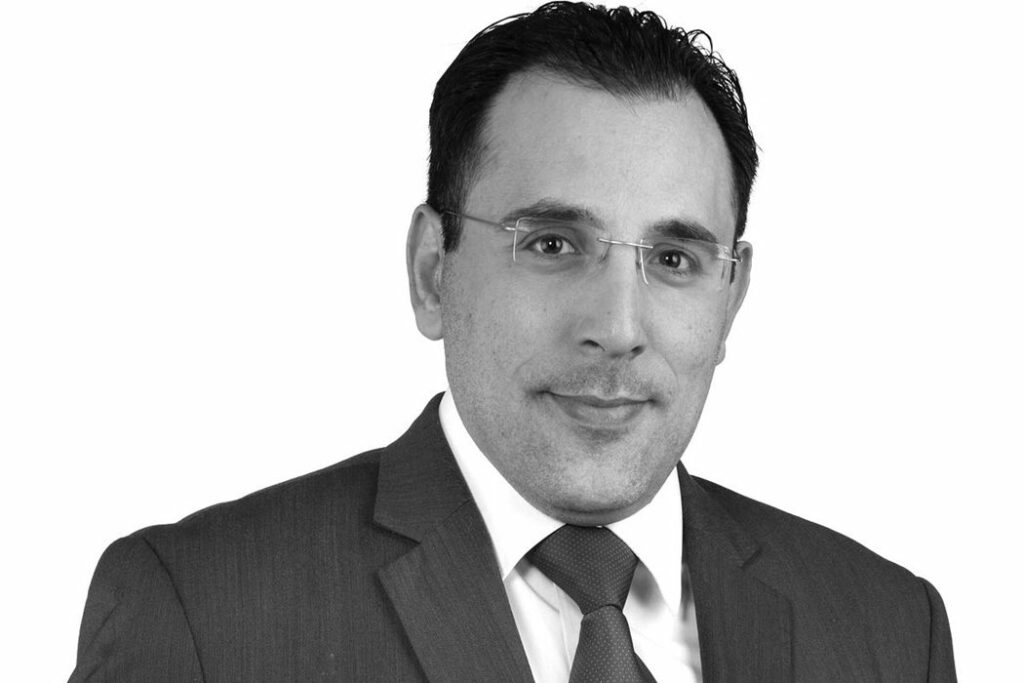
Speaking to "F", the CEO of KPMG Paphos, Tasos Yiasemides, stressed that we often hear about other forms of tourism, such as medical, sports, conference or religious. To date, some initiatives have been taken to create facilities in Cyprus for the medical treatment of specific diseases, elderly care, aesthetic medicine and high-level sports facilities, he points out, however, these steps are very small compared to the need for an integrated design.
In addition, efforts are being made to attract sports teams for their preparation to Cyprus, while the promotion of the country as a conference destination continues intensively, he says. There are various forms of sports tourism, Mr. Giasemidis clarifies. Active sports tourism refers to individuals or groups traveling to a specific destination to actively participate in a sport they have chosen.
In contrast, passive sports tourism concerns people who are not actively involved but are active around sport, for example as spectators who travel to watch a specific team or as journalists covering a sporting event.
Tourism related to sporting events focuses on important events, usually of global scope, which attract a large number of visitors, such as the Football World Cup and the Olympic Games, he emphasizes. These are held in different locations each time, moving tourism to new areas. Finally, there is also tourism, which includes visits to famous sports attractions, without tourists actively participating in or watching sports. An example is the Panathenaic Stadium (Kallimarmaro) in Athens.

It is obvious, according to Tasos Yiasemides, that Cyprus could invest in the first three forms of sports tourism, with the hosting of a Eurobasket group last summer being a positive development.
Sports tourism, especially at a time when Cypriot teams and athletes excel abroad, after the successful hosting of a Eurobasket group, can be a new, dynamic axis of development. These are not just spectators who will visit the country for a few days. It is an entire ecosystem: teams, athletes, journalists, fans, tour operators, but also entire communities that can come into contact with the place, consume, invest and above all create positive impressions. Paphos in particular is suitable for this, he points out.
In Cyprus, actions have already been taken in this direction: construction and upgrading of sports facilities, hosting clubs and teams for training, promoting the country as a destination with mild weather all year round. However, these movements remain fragmented and limited. What is needed is an integrated design and interconnection of all the parameters of the tourism product.
An important issue that arises is the financial capacity of tourists that Cyprus attracts and the percentage of profit that remains with professionals in the sector, according to the KPMG executive. Because, although the number of visitors may be increasing, what is crucial is the profitability and liquidity that remains in the country.
In view of the above, a holistic approach to the challenges of the sector, as well as quick reflexes, is necessary to ensure the future outlook and the continuation of the positive path. Issues such as the opening of new markets, the strengthening of Cyprus' connectivity and the extension of the tourist season are firmly at the center of the public debate, he emphasizes. The absence of an attractive winter tourism product leads to seasonality and temporary closure of many hotel units, with consequences such as staff inactivity and increased maintenance costs.
Increasing the efficiency of hotel units and creating synergies with other sectors, such as construction and energy, can reduce costs and allow for the provision of more competitive packages.
It is equally important, according to Mr. Yiasemidis, to create appropriate visitor service infrastructure, such as upgrading the road network and easy access to tourist sites. Creating the right tourism culture will enhance the image of Cyprus, as positive visitor feedback is the best advertisement.
Cyprus, in addition to its good climate, beautiful beaches and tourist tradition, has significant infrastructure and developments that can meet the needs of visitors of different financial capabilities. However, the goal, in addition to maintaining competitiveness, is to strengthen the flexibility of the sector, so that it can respond to the ever-changing and different habits and needs of tourists, he concludes.
