in-cyprus 29 December 2025 - by Natasa Christoforou

Paralimni-Deryneia municipality is developing archaeological sites and museums to showcase its millennia-old history and strengthen cultural tourism, officials said.
The municipality opened the Nisia archaeological settlement in Protaras on 16 October, nearly 30 years after excavations finished. The site covers 3,250 square metres and dates from 5200-4800 BC, making it the largest Neolithic settlement excavated in Famagusta district. Archaeologists uncovered 40 dwellings, a protective wall and artefacts including pottery, stone figurines, knives and jewellery made from picrolite and deer bone.
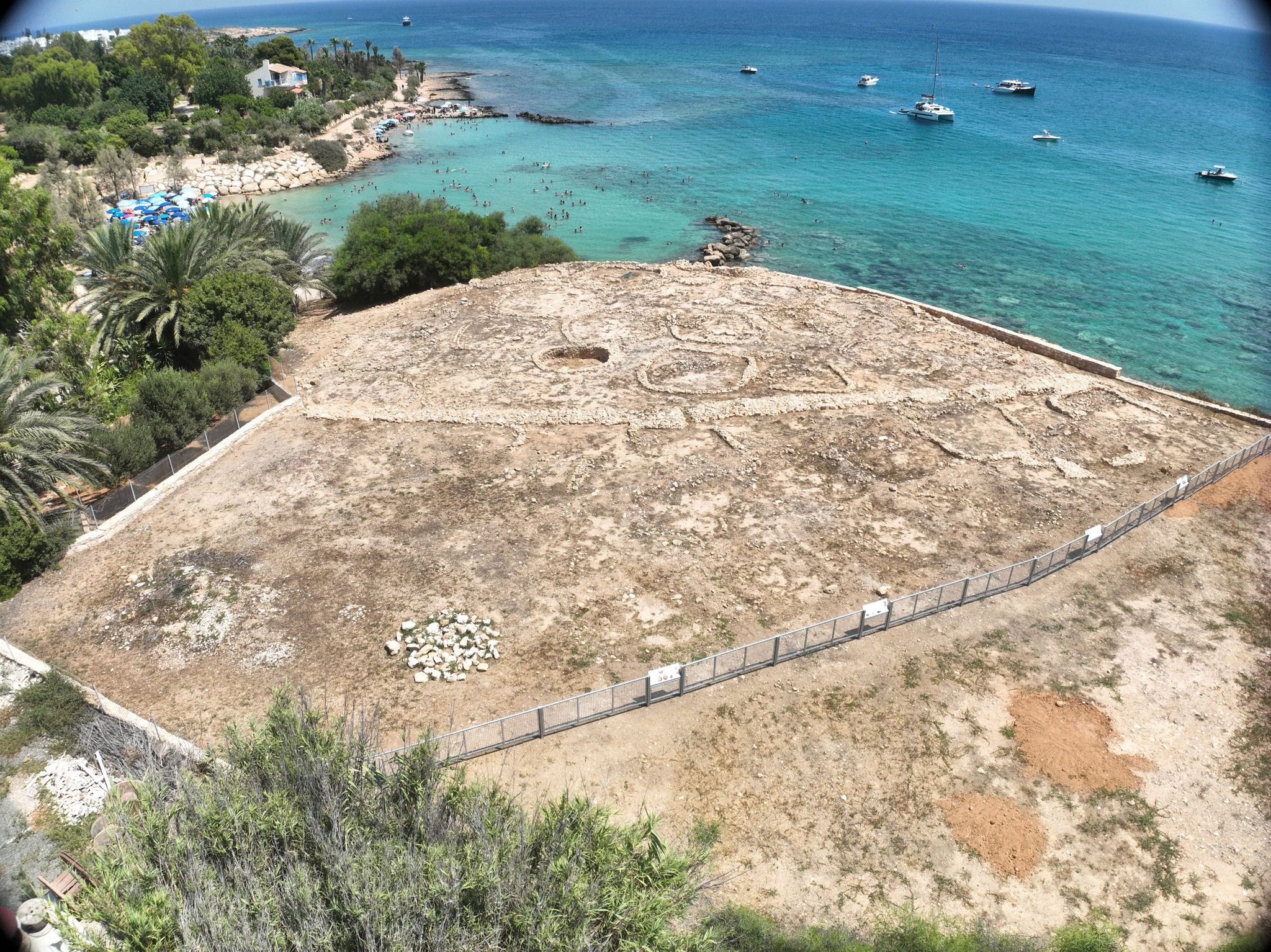
“Our municipality’s area carries a history spanning millennia, from the Neolithic period through Hellenistic and Roman times to the present day,” Mayor Giorgos Nikolettos said. “Every archaeological site, inscription and monument are not simply evidence of the past, but living reference points of our identity.”
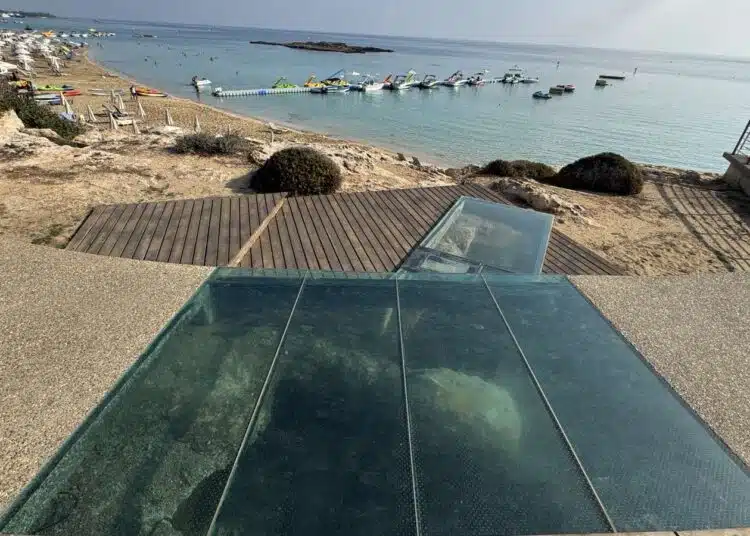
The municipality recently enhanced the Queen’s Tomb at Fig Tree Bay, discovered in 2010 during promenade construction. The Hellenistic-Roman period underground chamber contains clay sarcophagi with human bones, grave goods and jewellery, including a clay figurine believed to represent the god Attis, companion to the goddess Cybele. Local legend says the last Queen of Salamis was buried there. The Antiquities Department installed information panels at the site.
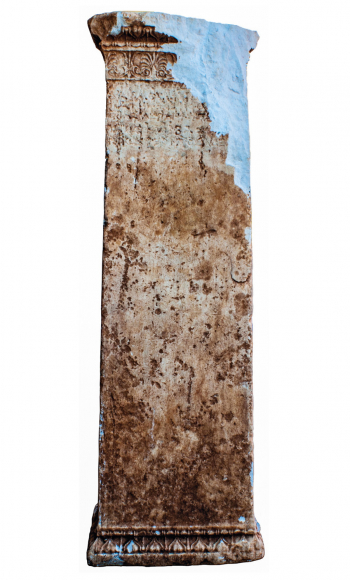
A dedication stele to Nikokles of Salamis, found in 2019 during work at Panagia Panagiotissa chapel in Protaras, revealed a previously unknown member of Salamis’s royal family. The inscription, dating from 315-311 BC, introduces Nikokles as son of King Pnytagoras and brother of King Nikokreon. The dedication was made to a deity, possibly Aphrodite Akraia, according to the Antiquities Department’s rescue excavation.
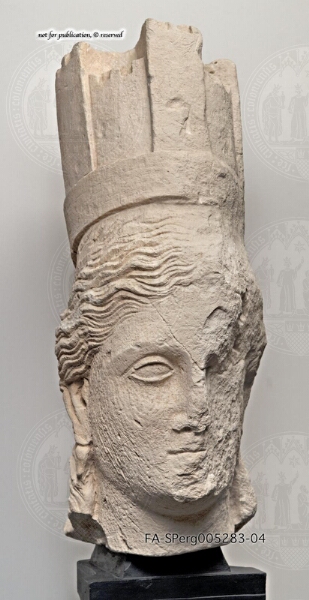
The municipality is pursuing repatriation of a 60-centimetre stone bust held at Berlin’s Neues Museum. The female figure wears a turreted crown resembling depictions of Aphrodite on Ancient Salamis coins from King Evagoras II’s era (361-351 BC).
The artefact came from the ancient Leukolle settlement and harbour in modern-day Protaras and appears to be among items exported by antiquities dealer Luigi Palma di Cesnola. The municipality contacted the museum and approached Cyprus’s embassy in Germany to secure permission to create a replica.
Historical evidence links Protaras to the Nike of Samothrace sculpture displayed in the Louvre, according to the municipality. The sculpture relates to the Naval Battle of Leukolle.
The municipality plans to create a Museum of Maritime History and Marine Culture after identifying at least two ancient shipwrecks in Protaras’s waters.
Nikolettos said the strategy rests on three pillars: cooperation with the Culture Ministry and Antiquities Department, integrating history and archaeology into sustainable cultural tourism, and creating educational and digital tools.
