Filenews 7 October 2025

More than 1,000 delegates from 35 countries participated on the first day of the Cyprus Shipping International Conference 2025, which opened on Monday in Limassol. The conference is organized by the Deputy Ministry of Shipping, the Cyprus Shipowners' Union and the Cyprus Chamber of Shipping.
The proceedings were attended by Ministers of Transport and Shipping from countries in the region, including Sheikh Abdullah bin Ahmed Al Khalifa from Bahrain, Vassilis Kikilias from Greece, Sheikh Mohammed bin Abdullah bin Mohammed Al Thani from Qatar and Marina Hatzimanoli, Deputy Minister of Shipping of the Republic of Cyprus. The discussion focused on issues of regional cooperation, investment in human capital and innovation as drivers of maritime transformation, with a focus on the challenges of decarbonisation and seafarer shortages.
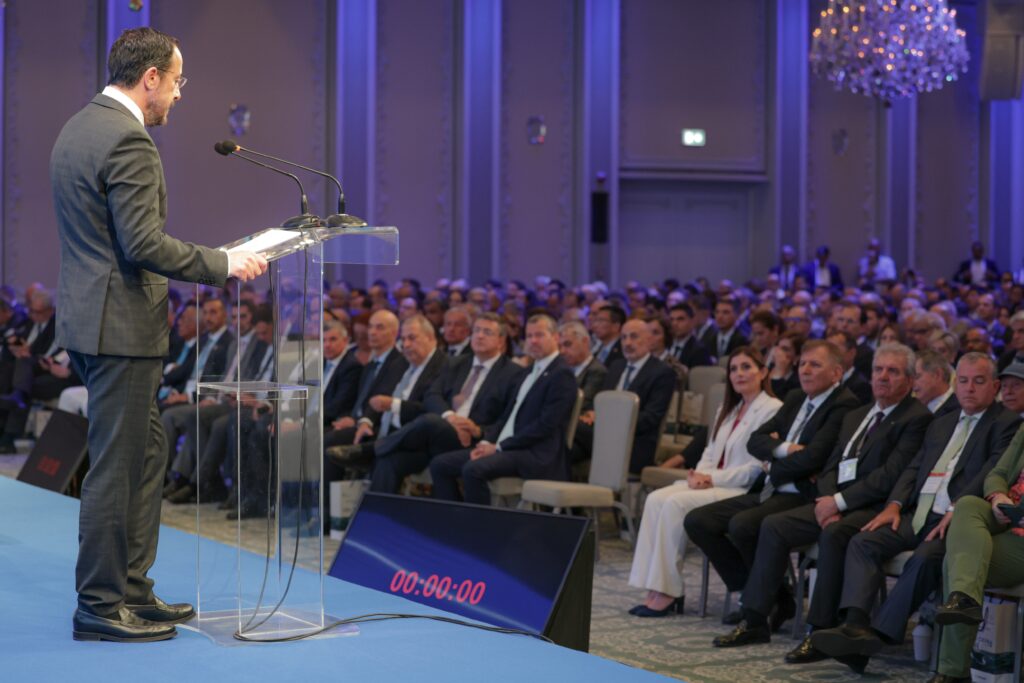
Key themes
The first panel of the day, entitled "Navigating the Upheavals", highlighted the responses of shipowners and politicians to geopolitical pressures and regulatory changes. In the final discussion entitled "Navigating the Changes", leading shipowners from Greece and Cyprus exchanged views on the evolution of the industry.
Energy Minister Giorgos Papanastasiou stressed the need for a realistic energy policy, noting that Europe must maintain all energy options – from renewables to oil and gas – to ensure competitiveness and energy security. He underlined that "energy and competitiveness go hand in hand", with his positions being characterized as an inclusive approach by the delegates.
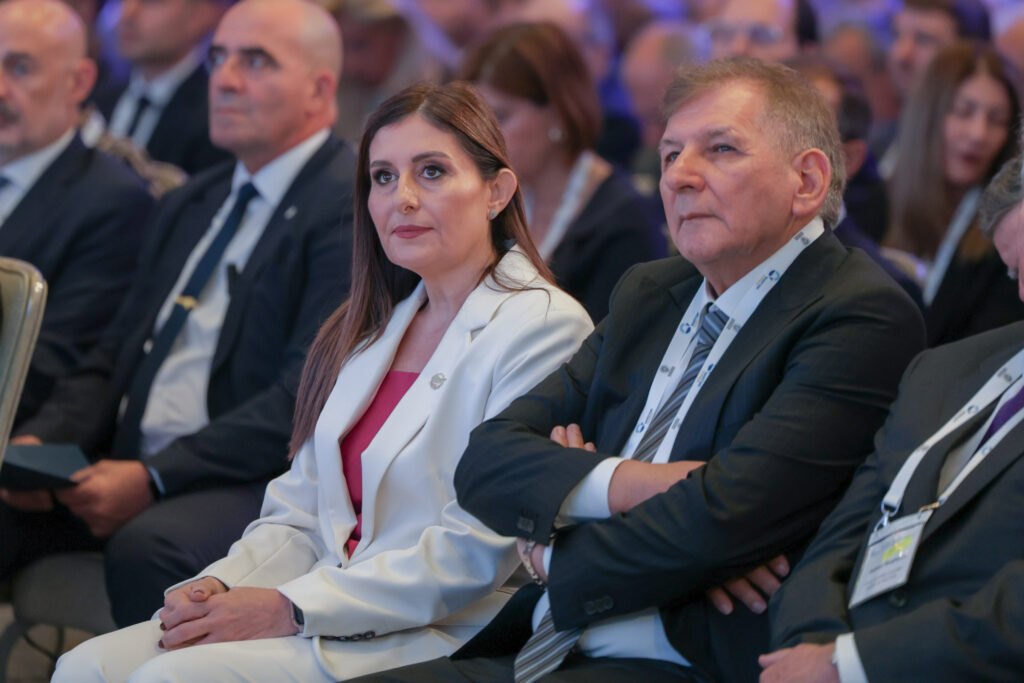
International participations
The Cyprus Chamber of Shipping organized a separate discussion under Thomas Kazakos, Secretary General of the International Chamber of Shipping (ICS). Leading representatives of organizations participated, such as Themis Papadopoulos, Karin Orsel (ECSA), Ioanna Prokopiou (BIMCO) and Joe Kramek (WSC).
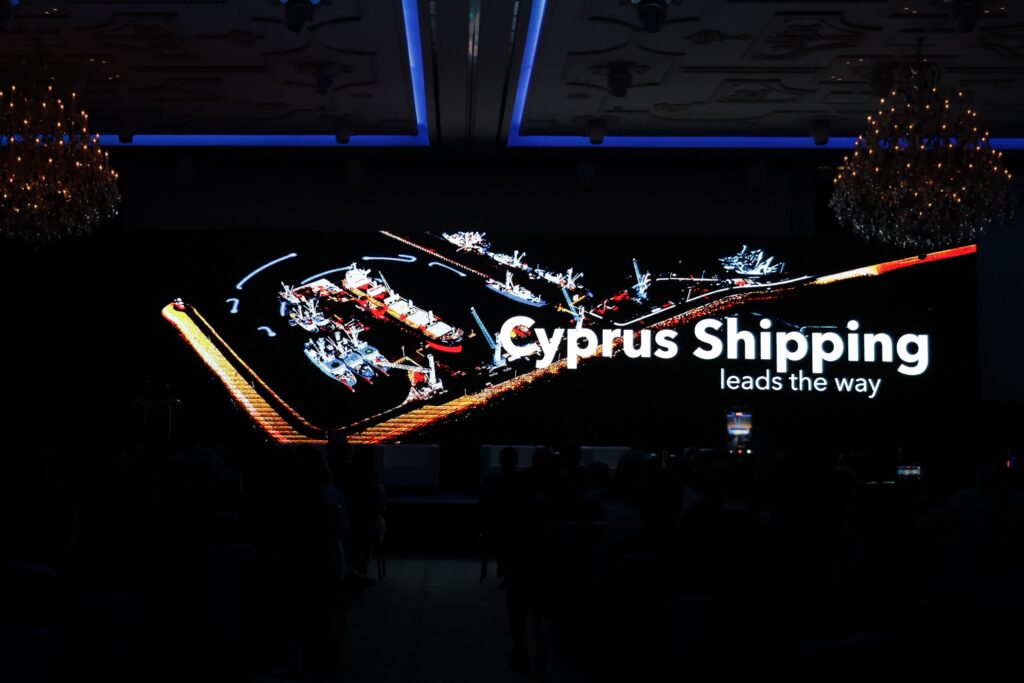
The panel focused on the challenges of decarbonization, geopolitical uncertainties, and the increasing complexity of the market, with speakers highlighting the need for flexibility and strategic adjustment.
