BBC News 24 February 2022

Western nations are set to impose severe sanctions on Russia after it launched an invasion of Ukraine.
The measures are designed to cripple Russia's economy and force President Vladimir Putin to pull back from military action.
What is a sanction?
A sanction is a penalty imposed by one country against another, often in order to stop it acting aggressively or breaking international law.
Sanctions are often designed to hurt a country's economy, or the finances of individual citizens such as leading politicians. They can include travel bans and arms embargoes.
What sanctions are Western nations imposing?
The EU is considering "a package of massive and targeted sanctions" to block Russia's access to technology and financial markets.
The UK's junior foreign minister James Cleverly has said that the UK is bringing forward an unprecedented and co-ordinated sanctions package - the "largest and most severe sanctions Russia has ever seen".
They will start today and more will be announced in waves in the coming days.
The US, UK, EU and others had already imposed limited sanctions on Russia after it recognised the independence of two breakaway republics in eastern Ukraine.
The measures targeted Russian banks and individuals, and took steps to cut Russia out of Western financial markets.
US sanctions announced on Tuesday aimed to hurt Russia's ability to finance its military efforts.
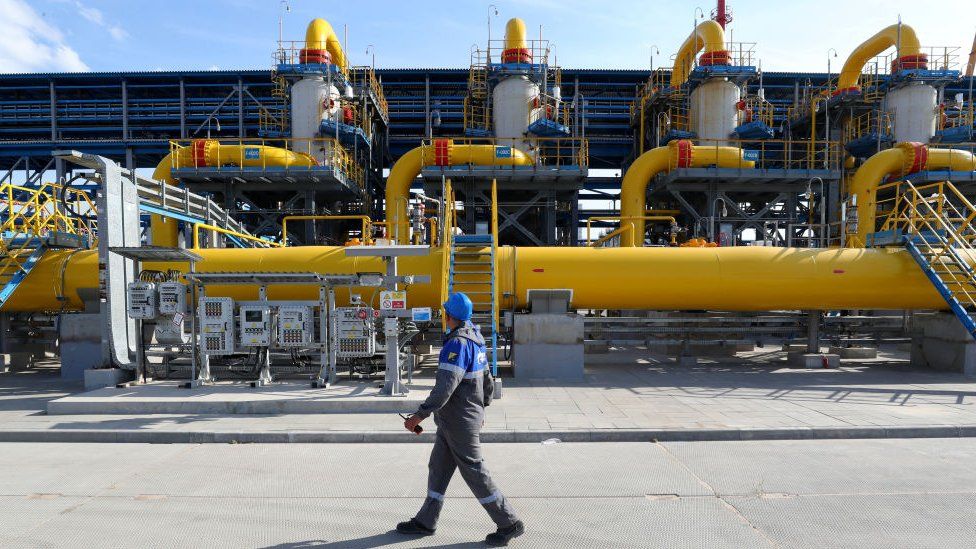
German chancellor Olaf Scholz put on hold permission for the Nord Stream 2 gas pipeline from Russia to Germany to open.
What other sanctions could Russia face now?
Western nations are lining up further, much harsher sanctions against Russia. Here are some of the options:
Excluding Russia from Swift
One measure would be to exclude Russia from the global financial messaging service Swift. This has been referred to as the "nuclear option".
Ukraine's Foreign Minister Dmytro Kuleba has called for this to be done immediately.
Swift is a banking system that allows quick transactions between accounts in 200 different countries and is used by thousands of financial institutions worldwide. It's based in Belgium, and it banned Iran from its system in 2012 after coming under pressure from the US.
When Iran was cut off, the country lost almost half of its oil export revenues and 30% of foreign trade.
Banning Russia from Swift would delay the payments Russia gets for oil and gas exports, which are in dollars. This could massively disrupt the country's finances, but it would also have a serious impact on lots of other countries too.
It is likely that Europe would still be able to pay for Russian oil and gas if Russia were excluded from Swift, but this would become more slow and difficult. Russia could always look to other ways of receiving its payments apart from Swift, such as the Chinese Cross-Border Interbank Payment System (CIPS).
The White House has said it is unlikely to use it as an immediate response to an invasion and the EU says it is unlikely to do so.
Blocking Russian gas and oil exports
This would be by far the toughest sanction on Russia. However, if European nations were to refuse to buy oil and gas from Russia, they would inflict massive damage on themselves.
Russia supplies 26% of its crude oil and 38% of the region's gas. Even a brief cut in gas supply would raise energy prices even higher than they already are and push up inflation.
Besides, Russia could reroute its oil and gas exports to other customers, such as China.
Banning Russia from using the US dollar
The US could ban Russia from financial transactions involving US dollars. Any Western firm that allowed a Russian institution to deal in dollars would face penalties.
Since all the world's oil is bought and sold using US dollars, this could severely affect Russia's oil revenues.
However, if Russia were to reduce exports of oil in response, this would create a severe world shortage.
Banning Russia from the dollar would be even more damaging if other major currencies did the same. Boris Johnson has threatened to stop Russian companies using the British pound.
Blacklisting banks
The US, EU and UK have already blacklisted a number of Russian banks, making it almost impossible for them to conduct international transactions.
Blacklisting more of them might mean Moscow would face a big fall in its currency, the rouble, and a financial crisis. The Russian government would have to bail out the banking system, at great expense.
However, this would hurt western investors with money in those banks.
Besides, Russia has reserves of over $630bn (£464bn) in its central bank to guard against such economic shocks.
Blocking the export of high-tech materials to Russia
For example, the US could stop companies selling goods such as semiconductor microchips. These are used in everything from cars to smartphones.
This would affect not just Russia's defence and aerospace sectors, but whole swathes of its economy, although it would also hurt Western companies that sell the technology.
Limiting Russian access to London's financial institutions
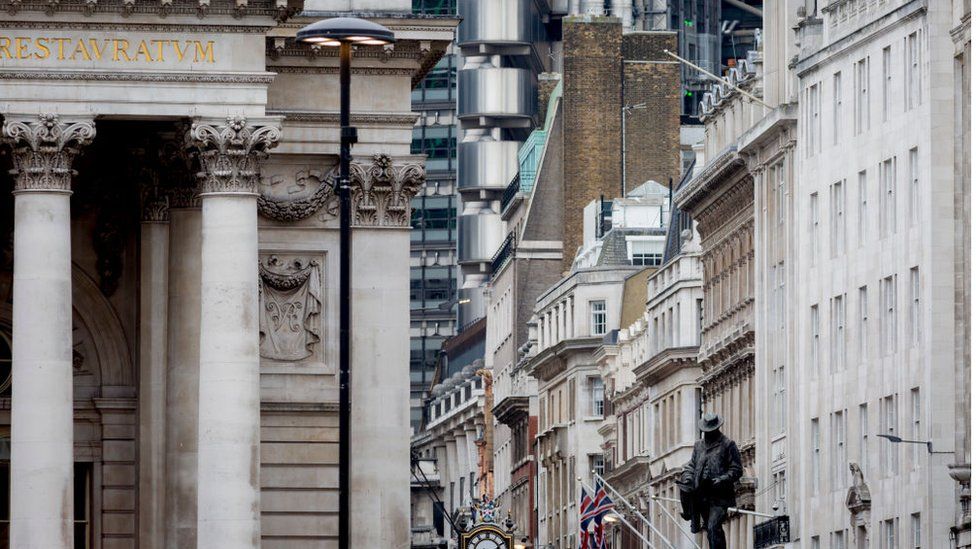
Such is the scale of Russian money in banks and property in the UK that the capital has been dubbed "Londongrad".
The UK government claims it is tackling this problem with "unexplained wealth orders", which require people to say where their cash has come from.
But only a handful of these orders have ever been used.
