
On the occasion of the European Natura 2000 Day and the International Day for Biological Diversity, the Director of the Department of Forests, Savvas Ezekiel, unfolds the strategy for the shielding of the natural wealth of Cyprus.
At the center of the discussion is the critical dilemma of "protection or management", with the Director clarifying that the modern answer is "protection through management". Each measure must be documented, proportionate and linked to the purpose of protection, overcoming both arbitrary interventions and destructive inaction.
Particular emphasis is placed on the numerous challenges and risks that threaten ecosystems, from climate change and devastating fires to rural abandonment and invasive species, as well as the new European Nature Restoration Regulation, which introduces an era of greater accuracy, indicators and European accountability.
On the occasion of these two important environmental anniversaries, how is biodiversity reflected in the reality of Cyprus?
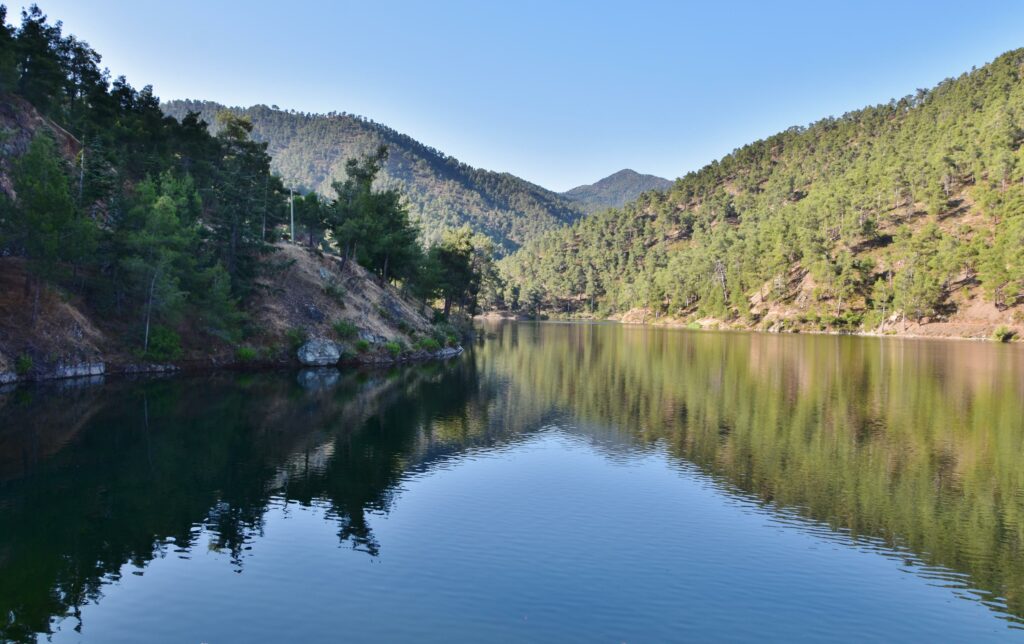
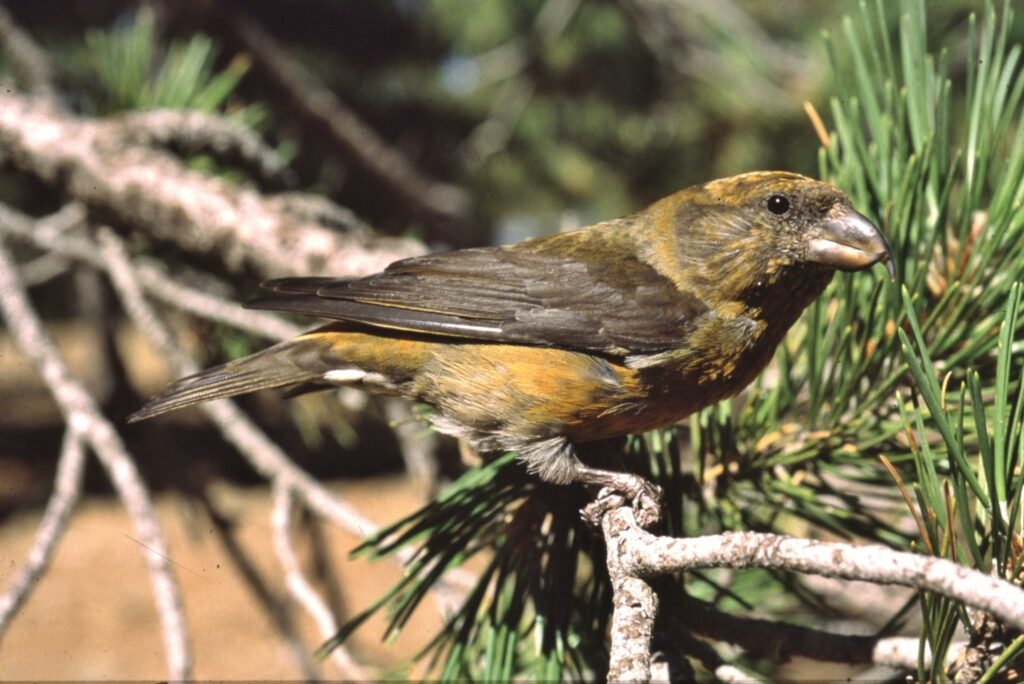
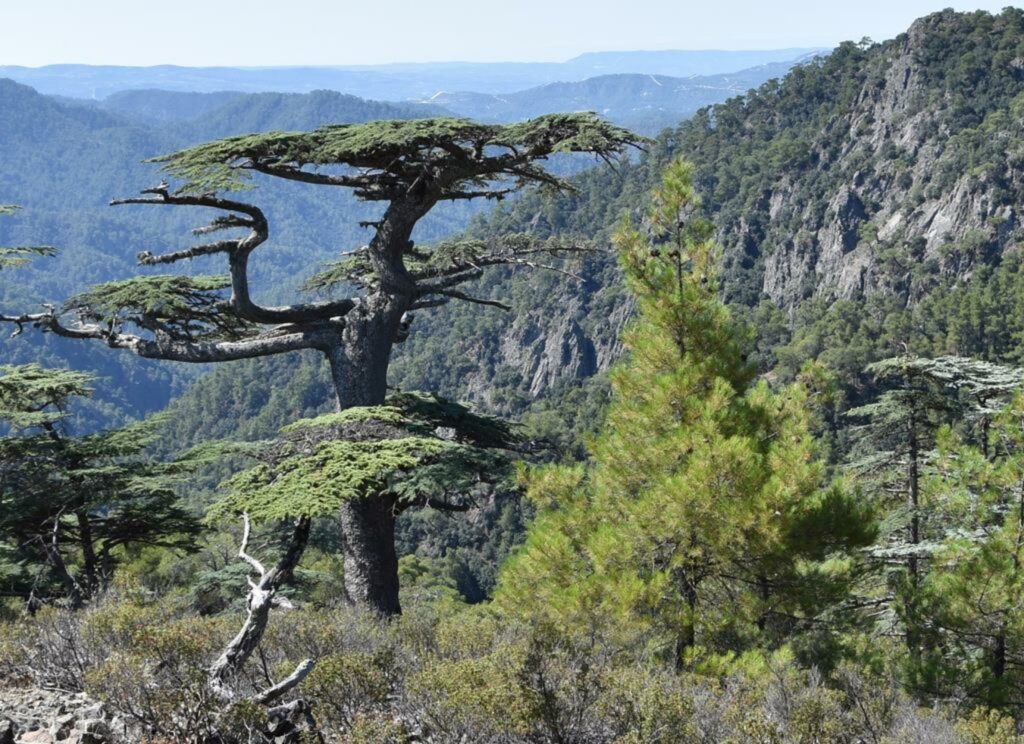
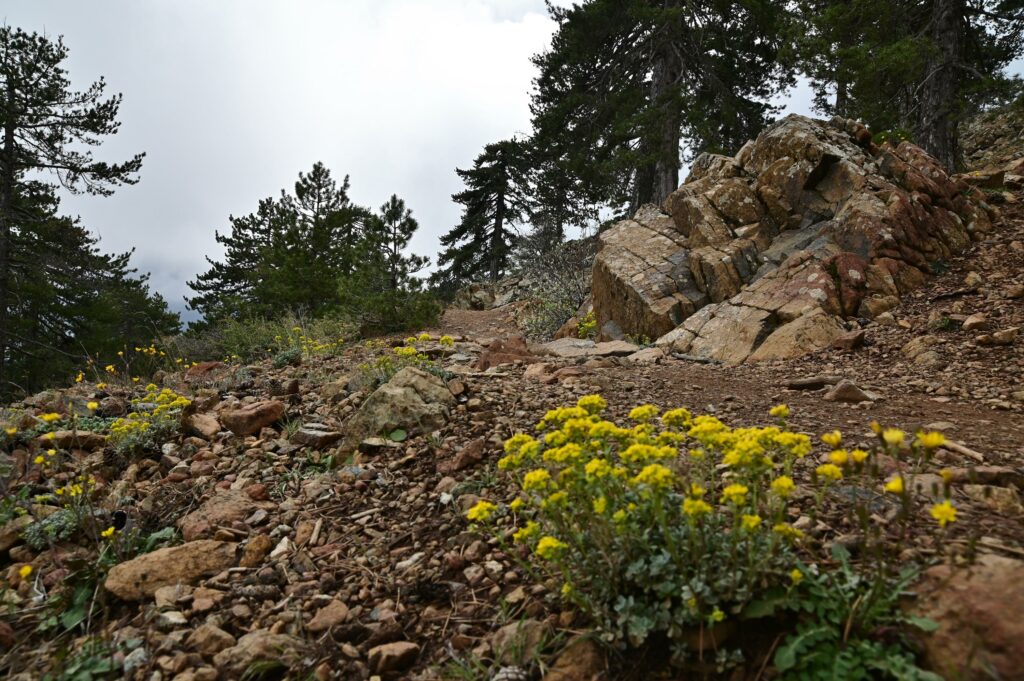
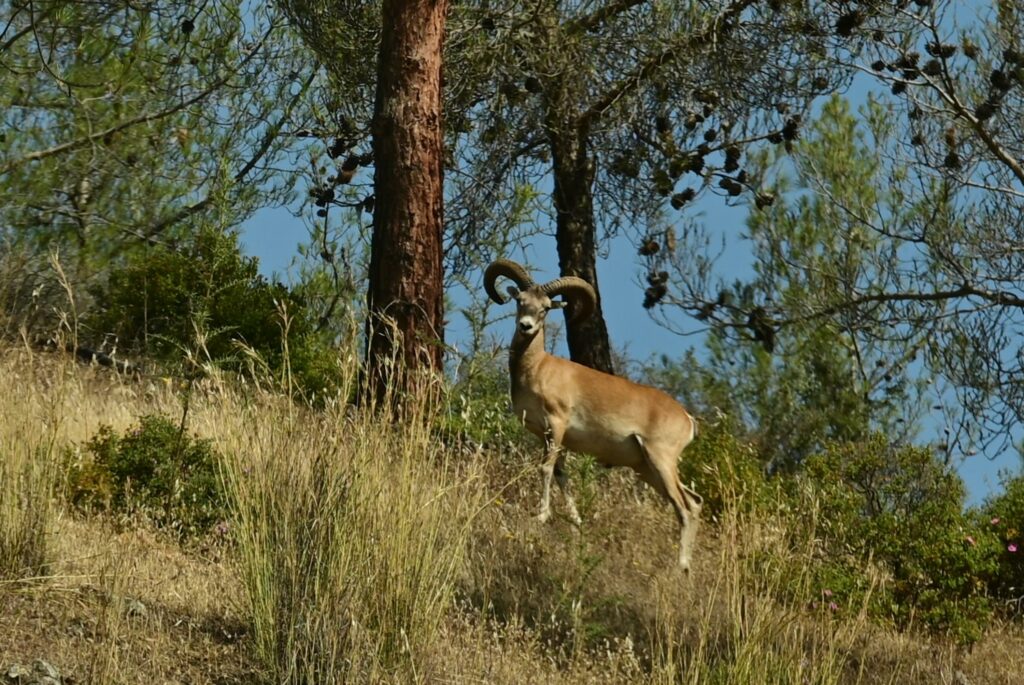
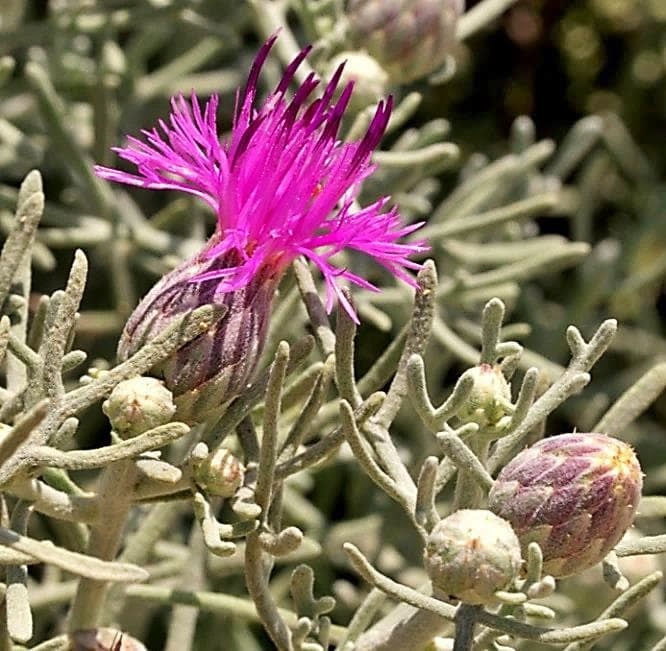
Cyprus has a natural wealth much larger than its size. The rough pine forests, the black pine forests at the highest altitudes, the Cypriot cedar, the latzia, the invisible, the riverside clusters, the gorges, the streams, the shrublands, the glades and the mountain landscapes compose a mosaic of life. In this mosaic find space the moufalfa, birds of prey, endemic plants, pollinators, reptiles, amphibians, insects, fungi and soil microorganisms that are usually not seen, but keep the ecosystem alive. This is biodiversity in action. It's not a general concept. They are specific species, specific habitats and specific places. These are the Paphos Forest, the Troodos Forest, the Machairas Forest, the forest ecosystems of Akamas and Cape Greco, the forest valleys, the ravines, the pine forests, the Natura 2000 areas, the places where rare plants survive, the rocky areas where birds nest, the forest areas that retain soil and water.
What are the main challenges and risks facing our forest ecosystems today?
Drought, high temperatures, fires, climate change, rural abandonment, invasive species, diseases, pathogens, erosion, illegal interventions, uncontrolled access, illegal logging, illegal grazing, encroachments, garbage, vandalism and the pressure created by unregulated traffic in sensitive areas. In a small Mediterranean country, these pressures do not work in isolation. They accumulate.
Today, the challenges are more complex than in the past. Climate change is already affecting forest ecosystems. Prolonged periods of drought, higher temperatures and extreme weather events increase the vulnerability of forests. At the same time, the abandonment of traditional land uses changes the structure of the landscape and creates new risk zones between the forest, the countryside and communities. Diseases and pests add new risks. Invasive invasive species can alter the composition of vegetation and put pressure on native species. Erosion degrades the soil and affects natural regeneration. Illegal interventions, encroachments, and uncontrolled access can disrupt sensitive habitats. The pressure on streams and riparian zones affects small but critical ecosystems, which often act as lifelines within the arid Mediterranean landscape.
There is often a confrontation between absolute protection and the management of nature. How does the Department of Forests position itself on this dilemma?
The dilemma of "protection or management" must be overcome. The modern answer is protection through management. This does not mean arbitrary intervention. It doesn't mean that everything is allowed. It means that any measure must be documented, proportionate and linked to the objective of protecting the area. Habitat restoration may be required in an area. In another, control of invasive species. In another, protection of a forest stream. In another, regulation of traffic. In another, fuel management. In another, strengthening natural regeneration or improving the structure of the forest. The protection of nature is not achieved either by uncontrolled interventions or by inaction. Judgment is needed. Scientific documentation is needed.
How does this management approach relate to fire prevention, especially in the light of rural abandonment?
In a Mediterranean country like Cyprus, the protection of biodiversity cannot be disconnected from fire protection. A big fire doesn't just destroy trees. It destroys habitats, species, microfauna, soil, seeds, natural regeneration, riparian vegetation, landscape and ecological continuity. It can cancel decades of natural processes in a matter of hours.
The abandonment of the countryside has created in many areas extensive zones of dense and continuous vegetation, which connect forest areas with residential areas, agricultural land and infrastructure. This radically changes the risk. The fire does not always start in the forest and does not necessarily remain confined to it. It can manifest itself in abandoned or semi-abandoned lands, move through continuous vegetation and threaten forests, communities, crops, infrastructure and Natura 2000 areas at the same time.
What is the role of the Natura 2000 network and what new obligations does the European regulation on nature restoration bring?
-The Natura 2000 network is one of the most important tools of the European Union for nature conservation. It's not just a designation on the map; It creates obligations, conservation objectives, the need for measures, monitoring and evaluation. It obliges us to know what we are protecting, why we are protecting it and what measures are needed to keep species and habitats in good condition.
The Nature Restoration Regulation reinforces this logic. Europe is no longer just asking for the preservation of ecosystems that are in good condition. It also calls for the restoration of ecosystems that have been degraded. This means plans, measures, maps, indicators, monitoring, timelines and results. The protection of nature enters a period of greater precision and greater accountability.
Cyprus needs European updating, international consistency and international consistency
The new era of nature conservation requires documented progress. Europe is asking for results. This means that services with real applicability in the field are becoming more important. It is not enough to have a policy. There must be an implementation mechanism. It is not enough to have a plan. There must be people, infrastructure, data, continuity and the ability to control progress.
The Department of Forests can link European politics with the Cypriot reality. Understands the obligations under Natura 2000, the Nature Directives, the Convention on Biological Diversity and the Restoration Regulation. At the same time, he knows the peculiarities of Cyprus: the small size of the island, the proximity of forests to communities and agricultural land, the intense dry heat pressure, the speed of the spread of a fire and the importance of timely access to the field.
This connection is crucial. European and international policy must be implemented consistently, but also with a full understanding of local conditions. It must neither be weakened nor mechanically transported without adaptation. Cyprus needs European updating, international consistency and practical efficiency. One without the other is not enough.
The future of Cyprus' forests will depend on our ability to prepare them for the conditions ahead. Forests need to be made more resilient to drought, fires and the pressures of climate change. Natura 2000 sites must have clear conservation and management measures. Biodiversity must be protected before it reaches the point of crisis. Restoration must be done in a meaningful and measurable way.
This requires a forest service with operational capacity, scientific documentation, organised data, better monitoring, technology, cooperation with other services and a clear understanding of the European and international context. However, it also requires respect for knowledge of the field. Because the protection of nature is ultimately judged where nature is: in the forest, on the slope, in the stream, on the path, in the area that must be protected before it is threatened.
Preserving biodiversity is not a luxury. It is part of the country's resilience. Forests retain soil, support water cycles, host species, shape the landscape, provide recreation, educate society and affect the quality of life. When a forest is degraded, the loss is not only ecological. It is social, economic and cultural.
The debate on Natura 2000 and biodiversity needs to become more mature. To recognize that protection needs rules, but also the ability to apply. European compliance, international understanding, adaptation to the Cypriot treaties and services that can turn the framework into action are needed.
The Department of Forests has served this mission in the past. It serves it today in more demanding conditions. And it must serve it even more decisively in the future. With better tools, stronger prevention, more systematic rehabilitation, more documentation and a stable presence in the field.
The nature of Cyprus needs care before it reaches the point of crisis. It needs to be kept alive, shielded against new dangers, rehabilitated where it has been hurt, seriously monitored and managed with moderation and competence.
Any conservation actions, in order to be successful, must take into account and include local communities and the human factor as an integral part of ecosystems, otherwise they are doomed to fail. This is the essential message of the European Natura 2000 Day and the International Day for Biological Diversity. Nature is not only protected by design. It is protected with consistency, continuity, knowledge and practical work. And this is the field in which the Department of Forests has a decisive role: to keep the forests of Cyprus alive, resilient and functional, for today and for future generations.
A challenge but also an opportunity - the new European reality
How can the Department of Forests respond to this new European reality?
For Cyprus, this is a challenge but also an opportunity. State forests can be a key field for mature restoration and resilience measures because there is an organised presence, administrative responsibility, field knowledge and monitoring capability. This is a practical advantage for the country. But it is not enough to exist. It must be properly reflected in the national planning framework.
The contribution of the Department of Forests must be specific and measurable. Restoration of degraded forest areas. Strengthening native species. Improving the structure and resilience of forests. Protection and restoration of forest streams. Measures for the connectivity of ecosystems. Species and habitat monitoring. Fuel management where documented. Use of mapping, technology and data.
